30 RESTORE Act Projects Worth $413 Million Advance for Evaluation Along Alabama’s Gulf Coast
The Alabama Gulf Coast Recovery Council advanced 30 proposed BP recovery projects worth $413 million, including highway widening and port upgrades.
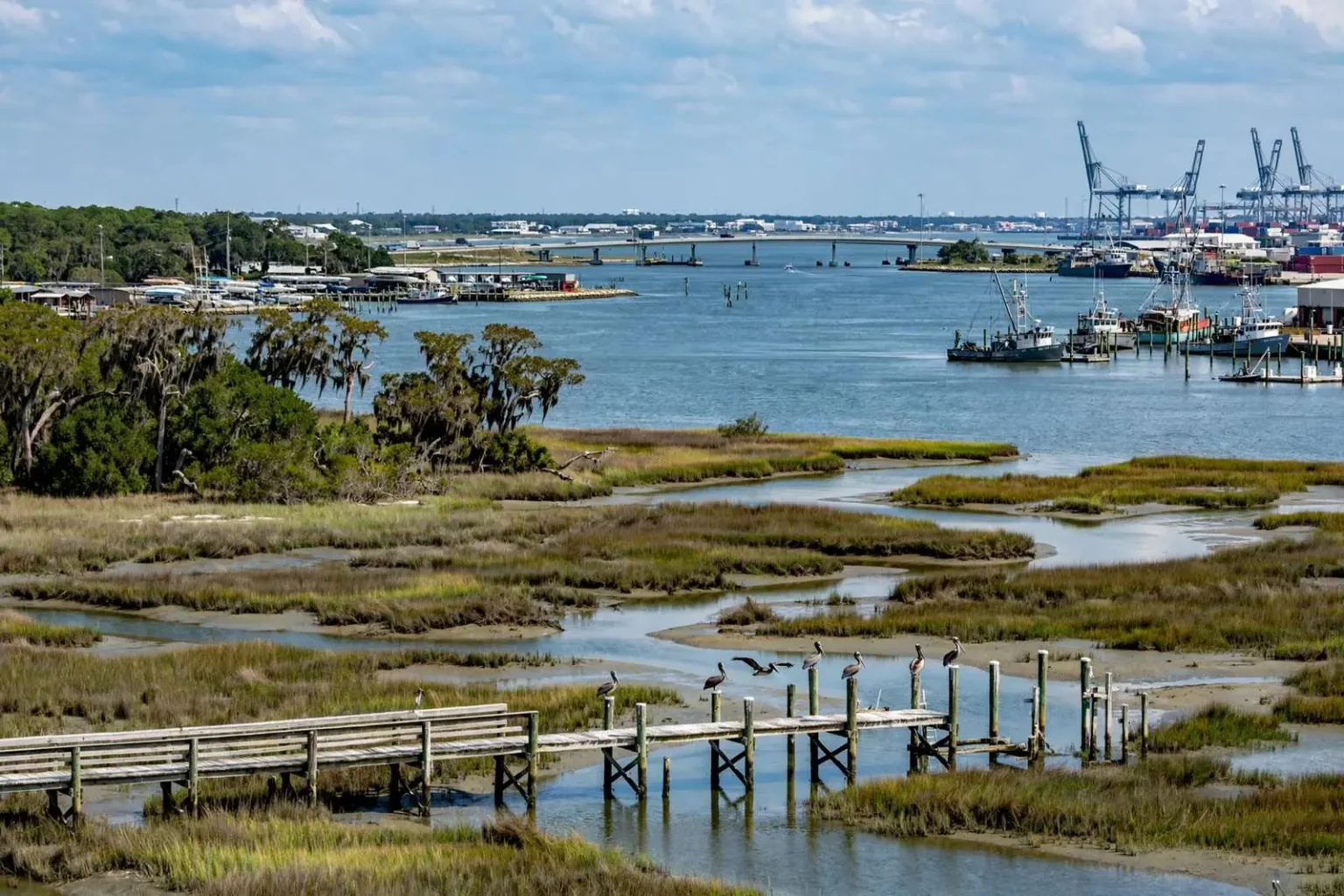
After four years of hammering out its own rules and procedures, the Alabama Gulf Coast Recovery Council has taken a significant step toward deciding which of hundreds of proposed projects will ultimately receive funding from BP oil spill penalties allocated under the federal RESTORE Act.
Last month, all 10 members of the council submitted lists of priority projects. Of more than 200 submissions, 30 secured the four votes needed to advance for further evaluation. Combined, those projects are valued at $413,775,386 and focus on infrastructure, economic development, tourism and planning assistance — categories the council had previously agreed to prioritize.
The council includes Gov. Robert Bentley, Alabama State Port Authority CEO Jimmy Lyons, the presidents of the Mobile and Baldwin county commissions, and the mayors of Bayou La Batre, Dauphin Island, Fairhope, Gulf Shores, Mobile and Orange Beach.
Although the group hadn’t met formally since late January, council Director Eliska Morgan said “internal discussions” have continued about which organization or organizations will conduct the evaluations needed to help determine which projects are ultimately included in the council’s first Multi-Year Implementation Plan.
What Comes Next
“That hasn’t been solidified yet, but now that we know the projects that made it over this hurdle, it gives us a better feel for how to identify who will perform the evaluations,” Morgan said. “We still have to notify the submitters that their project is moving forward, and we’ll also ask that they begin collecting information they may already have available on their proposal.”
Submitters range from local governments to private organizations, environmental groups and community advocates, though the “economic focus” of the first implementation plan pushed government submissions to the forefront.
Among the projects that advanced were critical infrastructure improvements in smaller communities such as Mount Vernon, Prichard and Satsuma, alongside far costlier proposals — including a $126 million package of highway widening projects in Baldwin County and a $52 million plan to add an auto import and export facility at the Port of Mobile.
The Money Trail
While the recent developments offer the first real glimpse into the council’s funding priorities, there remains a long road ahead before any money is actually distributed. As expected, the number of proposed projects already far exceeds available funding.
Alabama is projected to receive a total of $725 million through the RESTORE Act, with the council directly controlling $373 million of that sum. However, the funds will arrive in installments paid out over the next 15 years, meaning only a fraction will be available at any given time depending on how long the council’s implementation plan is designed to run.
According to Morgan, only $86 million is currently available — the total that would be accessible under a one-year implementation plan. Under a three-year plan, $117 million would be available, and under a five-year plan, the longest term permitted by law, the council could access up to $170 million to fund projects.
Complicating matters further, the “further evaluations” needed to vet the 30 advancing projects will themselves cost money that must come from the council’s limited resources. While there has been discussion of relying on existing public and nonprofit agencies to reduce or eliminate those costs, Morgan said that approach carries its own tradeoff: time.
“That means relying on someone to do something when they have spare time, and most state agencies are already stretched thin,” she said. “Another option is to pay someone to do it. Obviously, you’d have more control over the timing, but the challenge with that is having the money available to pay for those evaluations.”
Which Projects Made the Cut
Council members faced no limit on how many projects they could include on their priority lists, and some took vastly different approaches. Gov. Bentley backed only 15 projects, while Orange Beach Mayor Tony Kennon supported 55.
While support for many projects crossed county and city lines, no single project received unanimous backing from all 10 council members. Dauphin Island Mayor Jeff Collier said he was pleased to see five of the island’s proposals advance, while cautioning there is no guarantee they will ultimately be funded.
Collier said Dauphin Island’s proposals could have a ripple effect across South Mobile County, particularly a pair of projects planned for Aloe Bay. Valued at $22 million combined, the projects would add a sewer treatment plant to address water quality while preserving natural habitat and adding public access, along with a mixed-use marina, fishing pier and new retail space.
While such tourism-focused development could create new jobs and tax revenue, Collier acknowledged not everyone on the island shares the same enthusiasm for growth.
“Our town has a comprehensive plan, and we need to be and are mindful of any prospective growth,” he said. “It can’t be a free-for-all as far as development goes, but I think we do still have some room for some managed growth.”
South Mobile County Focus
Dauphin Island and Bayou La Batre saw the most projects advance overall, and Mobile County Commission President Merceria Ludgood supported the majority of those proposals, noting both communities were hit especially hard by the 2010 oil spill.
“As far as I’m concerned, Bayou La Batre and Dauphin Island were ground zero,” she said. “We all experienced loss, but not to the extent that they did, so their priorities were front and center in the decisions I made.”
In all, a total of $62.3 million in proposed projects will be evaluated for Bayou La Batre, including redevelopment of the city docks, a “safe harbor” for mooring vessels during storms, extension of a wastewater outfall line in Portersville Bay, and upgrades to the city’s water and fire suppression systems.
Ludgood also backed most of the Mobile County projects that advanced, including four submitted by her own engineering staff, though only one of those — an $8 million ecotourism project connecting waterways across several municipalities — ultimately moved forward. She cast the only votes in favor of two other proposals pushed by fellow commissioners, effectively sidelining a $59 million unpaved-roads plan championed by Commissioner Jerry Carl and a $40 million soccer and aquatic complex proposed by Commissioner Connie Hudson.
How RESTORE Funds Flow to Alabama
The RESTORE Act, passed by Congress in 2012 in the wake of the Deepwater Horizon oil spill, directed a portion of the civil penalties paid by BP and Transocean to Gulf Coast states through a structure known as the Gulf Coast Restoration Trust Fund. Alabama’s share of those funds is divided among several pots, including the council-controlled bucket that is the focus of the current round of project selection.
Because the funds are paid out over 15 years, the council has had to design an implementation plan that balances the urgent needs of the communities hit hardest by the spill against the limits of the dollars currently in the trust. The first plan will likely run for at least three years and possibly five, which is the longest term the law allows. That choice will determine how much money is available for the 30 projects currently advancing and how many of them the council will ultimately be able to fund.
What the RESTORE Money Has Already Done
The Alabama Gulf Coast has seen RESTORE-related investments for several years, even as the council itself worked through its own rules and procedures. The National Fish and Wildlife Foundation, which administers a separate share of the spill penalties, has funded habitat restoration, marine debris cleanup and other projects along the Alabama coast. The council’s $373 million share, by contrast, has been slower to disburse because the body had to write its own bylaws, define its own project categories and build a process for vetting applications from local governments and private groups.
That slower pace has frustrated some local officials, particularly in the smaller coastal communities that bore the brunt of the spill’s economic damage. The selection of 30 projects out of more than 200 applications is the council’s first concrete answer to those frustrations, and the months ahead will determine whether the chosen projects can clear the next round of evaluation and reach the stage where money actually changes hands.
For Baldwin County, the largest single line item in the advancing slate — the $126 million package of highway widening projects — reflects how the council’s economic development priority will translate into concrete work. The widening projects, which the Baldwin County Commission championed, would target corridors where traffic has grown sharply alongside the county’s residential population. The $52 million Port of Mobile auto import-export facility, similarly, is meant to expand the port’s capacity for handling vehicles at a time when the port authority is investing in new container and bulk-cargo infrastructure.
Both projects still face an evaluation phase before any money is awarded, and the council has signaled that the timing of those evaluations will be a central question over the coming months. Morgan’s choice between leaning on existing agencies to do the work for free and hiring outside evaluators with funds from the council’s own budget will determine how quickly the 30 advancing projects can be ranked and which ones end up in the final implementation plan.