
Alabama Coast Caretakers Secure West End of Dauphin Island for Public Conservation
The 838-acre undeveloped west end of Dauphin Island has been transferred to public ownership through a $6.5 million BP settlement land acquisition.
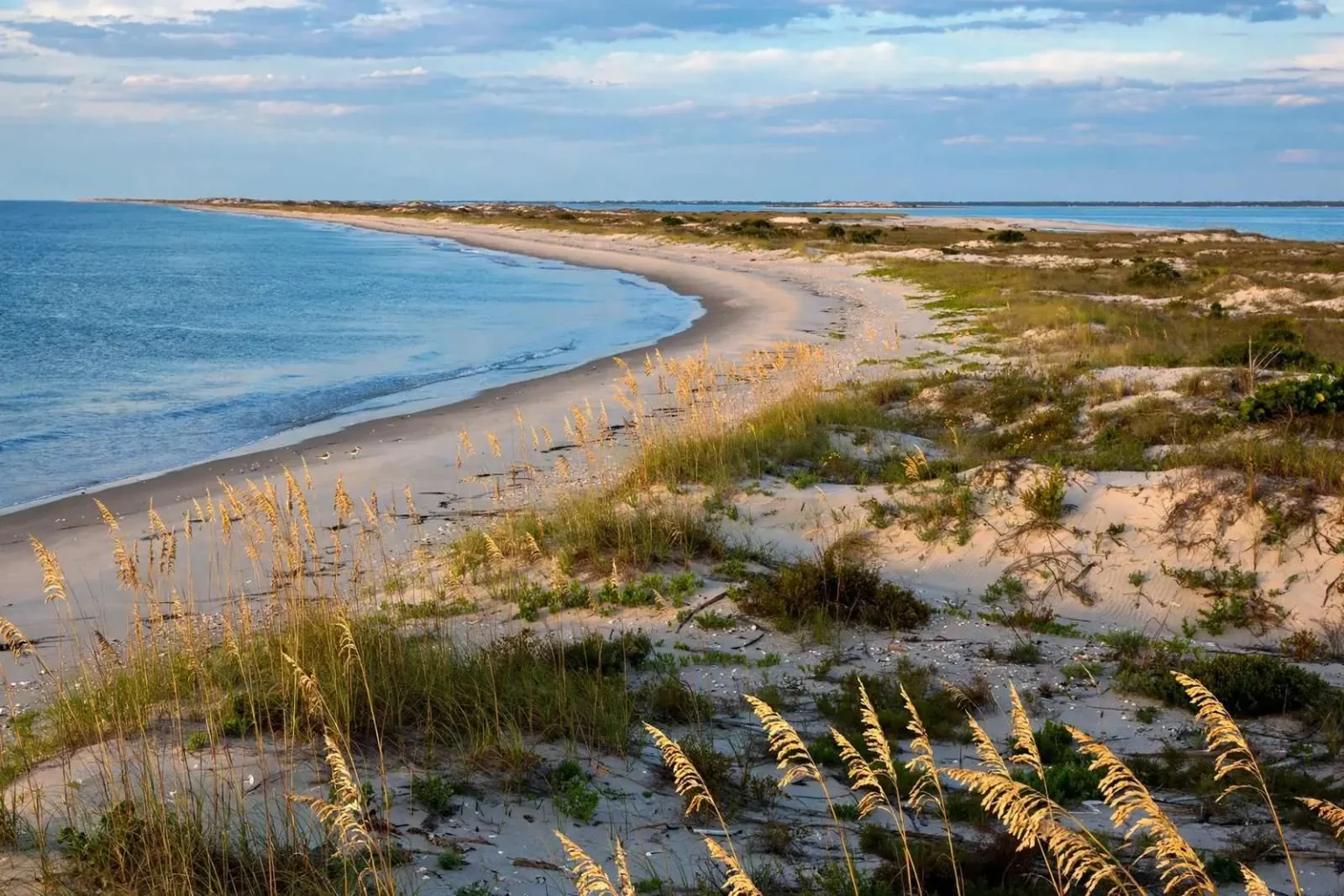
The entire undeveloped west end of Dauphin Island — 838 acres of beach and dune stretching more than eight miles beyond Bienville Boulevard — has been transferred to public ownership in a $6.5 million deal between a private landowner and the federal government. The transaction, recorded in Mobile County Probate Court, removes one of the last large privately held stretches of Gulf Coast barrier island from the threat of development. The town of Dauphin Island now holds the deed and plans to keep the property in its natural state, open to passive public use and access.
The purchase was funded through settlements tied to the 2010 Deepwater Horizon oil spill, the disaster that flooded Gulf Coast waters with millions of gallons of crude and triggered years of litigation against the companies responsible. Money from those settlements has since been directed into restoration projects across the Gulf states, and Alabama officials have consistently ranked land acquisition among their top priorities under the process. Rather than spend every settlement dollar on constructed projects, the state has invested in protecting habitat outright — land that buffers the coastline, absorbs storm surge, and supports wildlife without further construction.
Dauphin Island Mayor Jeff Collier said the town pursued the acquisition quietly, working behind the scenes rather than announcing negotiations while they were underway. “We’re not doing things like this to tout it; we’re doing it because we think it’s the right thing to do,” Collier said. The low-profile approach reflected how sensitive land deals can be on a barrier island where every parcel carries development potential and property values rise with each passing season of coastal growth.
The Last Wild Stretch of the Island
Dauphin Island is a barier island guarding the entrance to Mobile Bay, and its shape tells the story of how such islands live and move. The developed eastern end, where the ferry lands and the historic Fort Gaines stands, holds most of the town’s homes, businesses and infrastructure. West of Bienville Boulevard, the island narrows into a long ribbon of sand, dunes and maritime scrub that has remained essentially untouched — a landscape shaped by wind and tide rather than bulldozers.
That western reach has long been recognized as the largest stretch of undeveloped beachfront along the Alabama coast. Conservationists had sought the parcel for years, warning that any large-scale construction there would jeopardize not only the habitat on the island but the natural function the island performs for everything behind it. Barrier islands are the Gulf Coast’s first line of defense; when they are armored and built out, they lose the ability to shift, absorb wave energy and rebuild after storms. When they are left in a natural state, they protect the mainland, the bay and the communities along it.
For the town of Dauphin Island, which has absorbed direct hits from hurricanes over the decades, keeping the west end undeveloped is also a matter of practical self-preservation. Undeveloped dunes and beaches take the brunt of storm surge and wave action, shielding the developed eastern end and the causeway that connects the island to the mainland. Public ownership ensures the land cannot be subdivided into beachfront lots that would demand roads, utilities, seawalls and the constant public expense of rebuilding them after each storm.
Alabama Department of Conservation and Natural Resources Commissioner Chris Blankenship said land acquisition has been a priority for the department since the Deepwater Horizon disaster. The west end purchase joins other protected properties in the state’s restoration portfolio, including the Grand Bay Savannah in south Mobile County — one of the largest remaining wet pine savanna ecosystems on the Gulf Coast — and conservation land along the Fort Morgan peninsula, the narrow strip of coast on the opposite side of Mobile Bay.
What the Restoration Money Bought
The $6.5 million price reflects both the scale of the acreage and the market reality of Alabama beachfront. Eight hundred thirty-eight acres of Gulf-front land, had it gone to private development, could have supported hundreds of lots in a market where water-adjacent property commands a premium. Instead, the settlement dollars converted that development value into permanent public conservation, an exchange conservation groups describe as rare at this scale on the northern Gulf Coast.
Because the funding came through the oil spill settlement process rather than the town’s general fund, the purchase did not compete with Dauphin Island’s municipal budget — a meaningful point for a small barrier-island town of a few thousand residents with a limited tax base. The federal role in the transaction and the town’s role as deed holder gives local government control over day-to-day management while the property remains part of the broader public trust.
The structure also fits a pattern visible across the Alabama coast since 2010. Settlement funds have supported dune restoration, oyster reef construction, habitat protection and public access projects from Dauphin Island to Gulf Shores. Land acquisition has been favored because its benefits compound over time: a protected parcel costs less to maintain than it would to develop, and the habitat and storm-buffering services it provides continue indefinitely.
Habitat at the Center of the Deal
The west end provides critical habitat for nesting sea turtles and shorebirds, including the federally listed piping plover, along with least terns and snowy plovers that nest directly on the beach. Sea turtles crawl ashore during summer nights to lay eggs in the dune face, and their hatchlings emerge weeks later, guided toward the Gulf by the light of the horizon. On developed beaches, artificial lighting disorients hatchlings and furniture, vehicles and foot traffic crush nests; on an undeveloped stretch like this one, the natural cycle proceeds without interference.
The shorebird story is equally significant. The piping plover, a small sand-colored bird listed under the Endangered Species Act, winters along the Gulf Coast after breeding in the northern plains and Great Lakes, feeding in the wash zone where waves deposit tiny prey. Least terns and snowy plovers nest in shallow scrapes on open sand from spring through summer, so vulnerable that even a single dog off-leash can destroy a season’s reproduction. Beach-nesting colonies on the Alabama coast have dwindled as the shoreline built up, which makes large protected stretches increasingly important to their survival.
The west end also sits along the Mississippi Flyway, the great bird migration corridor funneled down the center of the continent. Migratory shorebirds, wading birds and songbirds use the island as a stopover during spring and fall movements, resting and feeding before and after the crossing of the Gulf. The island’s Audubon Bird Sanctuary on the eastern end is already a nationally known birding destination; the protected west end extends that habitat across miles of additional coastline.
Managed for Nature, Open to the Public
The town of Dauphin Island plans to keep the property in its natural state with passive public use and access — a category that generally means walking, birding, fishing and beach-going, rather than construction of heavy infrastructure. A conservation management plan is being developed with the Mobile County Commission and other agencies to guide how the land will be cared for, how access will be provided, and how sensitive areas will be protected from the very visitation the property invites.
Management will likely have to balance several goals at once: allowing residents and visitors to experience one of the last wild beaches on the Alabama coast, protecting nesting areas during the summer season, and letting natural processes — dune building, overwash, vegetation growth — continue without interruption. Comparable sites along the Gulf handle the tension with seasonal postings, signage, designated access points and volunteer monitoring, tools that cost a fraction of what development or constant repair would.
For residents of Dauphin Island, the deal closes a long chapter of uncertainty. Every proposal for the west end over the years — resorts, subdivisions, condominiums — carried with it the question of who the island was being built for, and at what cost to the landscape that draws people there in the first place. Public ownership answers that question permanently. The beach and dunes beyond Bienville Boulevard will look as they do now for generations, whatever else changes on the island.
For the broader Alabama coast, the acquisition adds a significant piece to a growing network of protected lands anchored by the Grand Bay Savannah to the west, the Fort Morgan peninsula across the bay, the Bon Secour National Wildlife Refuge on the Fort Morgan side, and the island’s own eastern-end sanctuary. Together these holdings protect the engines of the coastal economy — clean water, productive fisheries, abundant wildlife and the beaches that draw millions of visitors each year — more durably than any single constructed project could.
Officials have not announced an opening date or detailed access rules for the west end, and those details are expected to emerge as the management plan is completed with the county and partner agencies. What is already settled is the underlying status: one of the largest undeveloped beachfront stretches on the Gulf Coast now belongs to the public, held by the small town at the end of the causeway that has guarded it simply by deciding it should stay the way it is.


