Amtrak Petitions Federal Board to Force Track Access as Mobile Council Members Balk
Amtrak has asked the federal Surface Transportation Board to force CSX and Norfolk Southern to allow new Mobile-to-New Orleans passenger trains, even as some Mobile City Council members say the city's funding commitment for the project is now void.
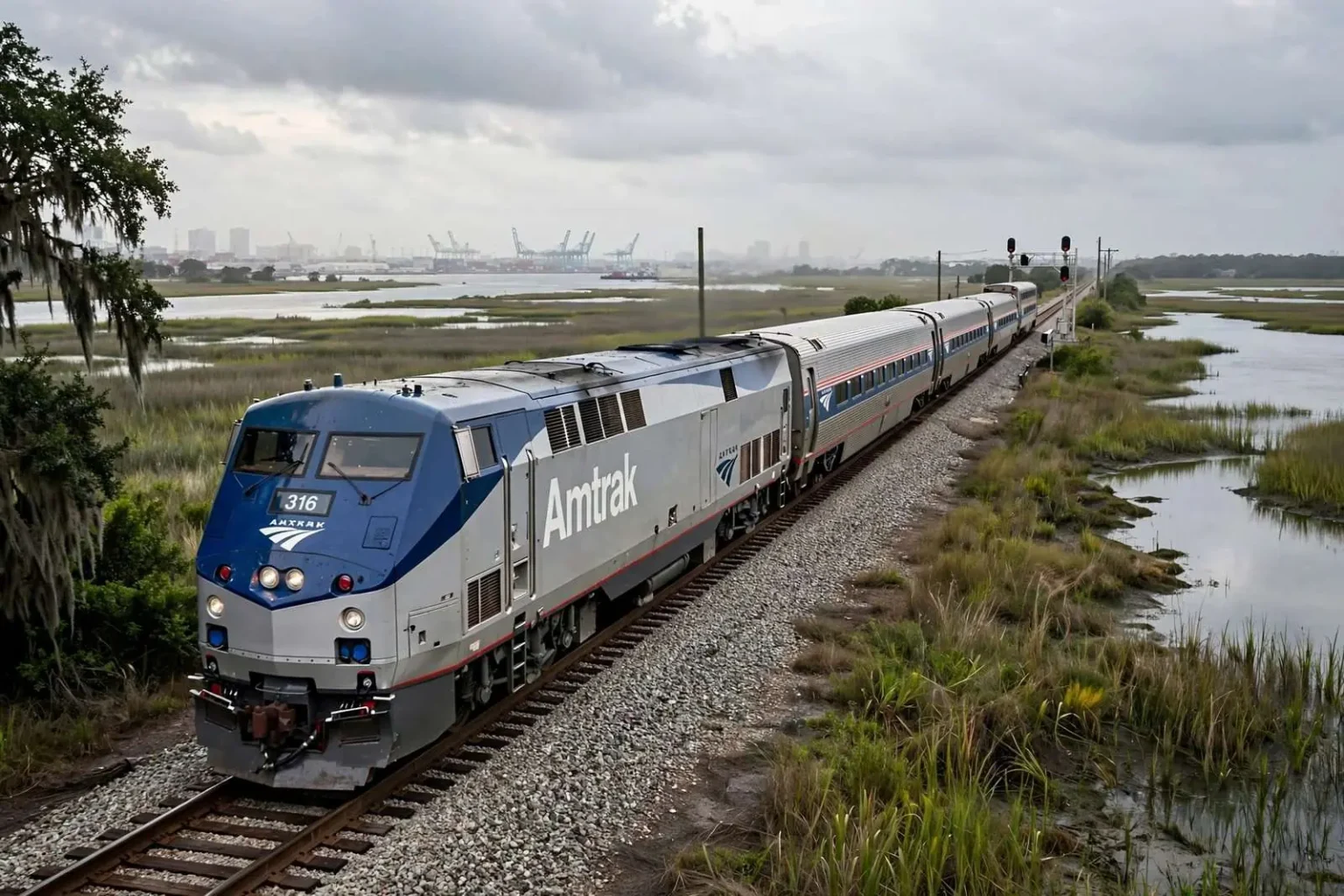
Amtrak has petitioned a federal board to force track access along a corridor that would restore passenger rail service between Mobile and New Orleans, escalating a long-running dispute over the use of freight railroad rights-of-way along the Gulf Coast. The filing with the Surface Transportation Board asks the agency to compel the freight railroads that own the tracks to allow Amtrak to operate on the route, a step that the passenger rail service says is necessary to bring back service that was suspended after Hurricane Katrina in 2005.
Why the Filing Matters
Amtrak’s petition is the latest move in a multi-year effort to restore passenger rail service along the Gulf Coast, where daily trains between Mobile and New Orleans have been absent since Katrina damaged the infrastructure in 2005. The restoration of the service has been a priority for state and local officials in Alabama, Mississippi and Louisiana, all of whom see the route as both a transportation option and an economic development opportunity.
The freight railroads that own the tracks along the route have resisted Amtrak’s efforts to negotiate access, arguing that additional passenger trains would interfere with their freight operations and that any required infrastructure upgrades should be paid for by the public sector rather than absorbed by the freight railroads. Amtrak’s petition asks the Surface Transportation Board to use its federal authority to compel access and to set terms that would allow the service to begin.
What the Surface Transportation Board Can Do
The Surface Transportation Board is the federal agency with regulatory authority over railroad operations in the United States. Among its powers is the ability to compel freight railroads to allow passenger rail service on their tracks, and to set terms for the access if the freight railroads and the passenger operator cannot reach agreement on their own. The board’s decisions on these matters are typically the result of formal proceedings that can take months or years to complete.
In Amtrak’s case, the petition asks the board to use its authority to set terms that would allow the service to begin, including provisions for infrastructure upgrades, scheduling and liability. The freight railroads are likely to contest the petition, arguing that any required changes to their operations should be accompanied by public funding for the infrastructure improvements.
What the Service Would Look Like
The proposed service would run between Mobile and New Orleans with stops along the Mississippi Gulf Coast, including Bay St. Louis, Gulfport, Biloxi and Pascagoula. The route would also connect to Amtrak’s long-distance Crescent service at New Orleans, providing links to cities across the Southeast and beyond.
For Mobile, the return of passenger rail service would restore a transportation option that the city has not had since 2005. The service would also complement the city’s existing transportation infrastructure, including the Mobile Regional Airport and the Port of Mobile, and would give Mobile residents a rail option for travel to New Orleans and intermediate cities along the coast.
What’s Been Holding Up the Restoration
The restoration of the Gulf Coast passenger rail service has been held up by a combination of infrastructure issues, funding disputes and disagreements between Amtrak and the freight railroads. The route between Mobile and New Orleans requires upgrades to track, signals and stations that the freight railroads say should be publicly funded, and the cost of those upgrades has been a major sticking point in negotiations.
Federal funding from the Bipartisan Infrastructure Law and other programs has been earmarked for rail improvements along the Gulf Coast, but the freight railroads have argued that the funding is not sufficient to cover the full scope of the work needed. Amtrak’s petition effectively asks the Surface Transportation Board to resolve that disagreement.
What Local Officials Are Saying
Local officials in Mobile and along the Mississippi Gulf Coast have generally supported the restoration of passenger rail service, arguing that the route would provide a useful transportation option and would support economic development in the cities it serves. The Mobile City Council and the Mobile County Commission have both passed resolutions supporting the restoration, and the city’s congressional delegation has worked to secure federal funding for the project.
Mississippi officials have also been supportive, and the restoration of the route has been a priority for communities along the coast that have lost rail service since Katrina. The involvement of the Surface Transportation Board in the dispute reflects the federal government’s interest in restoring the service, and the board’s eventual ruling will determine whether the service moves forward.
How Long the Process Could Take
Surface Transportation Board proceedings typically take several months to complete, and Amtrak’s petition is likely to be the subject of a formal hearing process that includes filings from all the parties. The freight railroads are likely to ask for additional time to respond, and the board may appoint a mediator or arbitration process before issuing a final ruling.
Even after the board issues a ruling, the actual restoration of service would require the infrastructure upgrades to be completed, which could take additional months or years depending on the scope of the work. Amtrak has indicated that it would like to begin service as soon as the board’s ruling allows, but the practical constraints of building the route back into operation are likely to push the timeline well into the future.
What Passengers Could Expect
If the service is restored, passengers traveling between Mobile and New Orleans would have a rail option that compares favorably with driving, particularly during periods of heavy traffic or weather events that close Interstate 10. The trip would take longer than driving in good conditions, but the rail service would offer amenities that driving does not, including the ability to work or relax during the journey.
For the cities along the Mississippi Gulf Coast, the restored service would provide a useful connection to Mobile and New Orleans and would give visitors a rail option that is not currently available. Local officials in those cities have argued that the service would support tourism and economic development, and that the federal investment in the route would pay off through increased visitor spending and improved access to jobs and educational opportunities.
The History of the Route
The Mobile-to-New Orleans route has a long history as a passenger rail corridor, dating back to the 19th century when railroads first connected the Gulf Coast cities. The route survived the decline of passenger rail in the 20th century as one of the longer-distance regional services that Amtrak continued to operate, and the daily trains between Mobile and New Orleans were a familiar part of life along the coast until Hurricane Katrina forced their suspension in 2005.
The storm damaged track, signals and stations along the route, and the freight railroads that own the infrastructure have argued ever since that the cost of restoring passenger service is too high to justify without significant public funding. Amtrak and the public officials who support the service have countered that the federal investment available through the Bipartisan Infrastructure Law is sufficient to make the restoration viable.
What Comes Next in the Federal Process
The Surface Transportation Board’s review of Amtrak’s petition will begin with a formal comment period during which the freight railroads, state and local governments, and other stakeholders can submit their views. The board will then consider whether to hold hearings, appoint a mediator, or issue a ruling based on the written record. The freight railroads are likely to ask for additional procedural steps, which could extend the timeline.
Amtrak’s petition is one of several recent federal actions aimed at expanding passenger rail service in the United States. The Federal Railroad Administration has also been working with states and railroads on corridor planning studies that could lead to new or expanded services in regions that have not had passenger rail in years. The Gulf Coast corridor is among the most closely watched of those planning efforts.
Why Mobile Cares About This
Mobile’s interest in restoring passenger rail service is partly practical and partly symbolic. Practically, the service would give Mobile residents a transportation option that connects to New Orleans and intermediate cities, and it would complement the city’s investments in port and airport infrastructure. Symbolically, the return of passenger rail would mark a kind of recovery from Katrina, demonstrating that the region has rebuilt and reconnected in ways that go beyond simply repairing the storm damage.
The city’s tourism industry has also been an advocate for the service, arguing that the restored rail option would give visitors a way to reach Mobile without driving. Visitors who arrive by train tend to spend more time in the cities they visit than visitors who drive through, and the rail option would also give Mobile access to a different kind of tourist than the one who typically arrives by car.
What the Decision Will Mean
If the Surface Transportation Board rules in Amtrak’s favor, the freight railroads will be required to allow passenger service on the route under terms set by the board. The ruling would also likely include a timeline for the infrastructure upgrades that need to be completed before service can begin. If the board rules against Amtrak, the dispute will likely continue through other legal channels, and the restoration of service will be delayed indefinitely.
Either way, the federal proceeding is a signal that the dispute over the Gulf Coast route is being taken seriously at the national level. The arguments Amtrak is making in its petition are similar to those the company has made in other freight-railroad disputes, and the board’s eventual ruling will set a precedent for how those disputes are resolved elsewhere in the country.