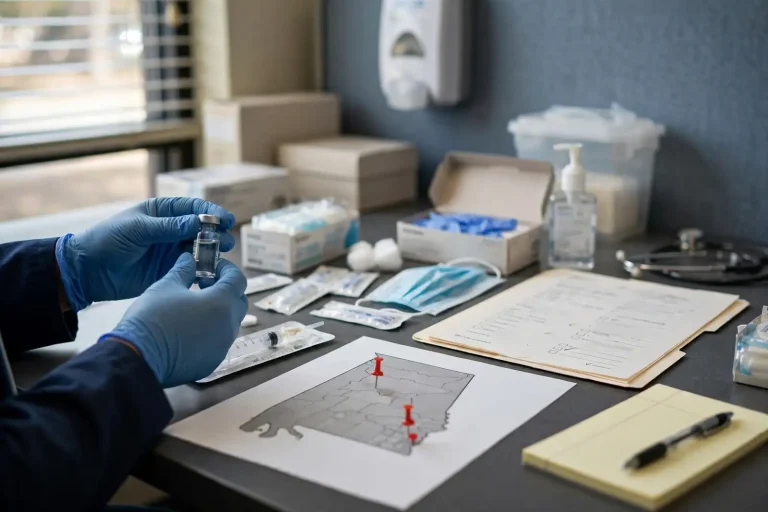
A Baldwin County Widower’s Mission: How Betty Owen’s Trial Participation Helped Bring a New Pancreatic Cancer Drug to Patients
Betty Owen was among the first patients to take a pancreatic cancer medication in early clinical trials. She died before its FDA approval. Her husband Brian now advocates so her story keeps reaching others.
BALDWIN COUNTY, Ala. — A newly approved pancreatic cancer medication could give some patients more time. For one Baldwin County widower, its arrival marks a milestone his wife hoped to see during her own fight against the disease.
Who Betty Owen Was
Betty Owen knew the treatment she was trying might not save her life, but hoped her experience could one day give someone else more time.
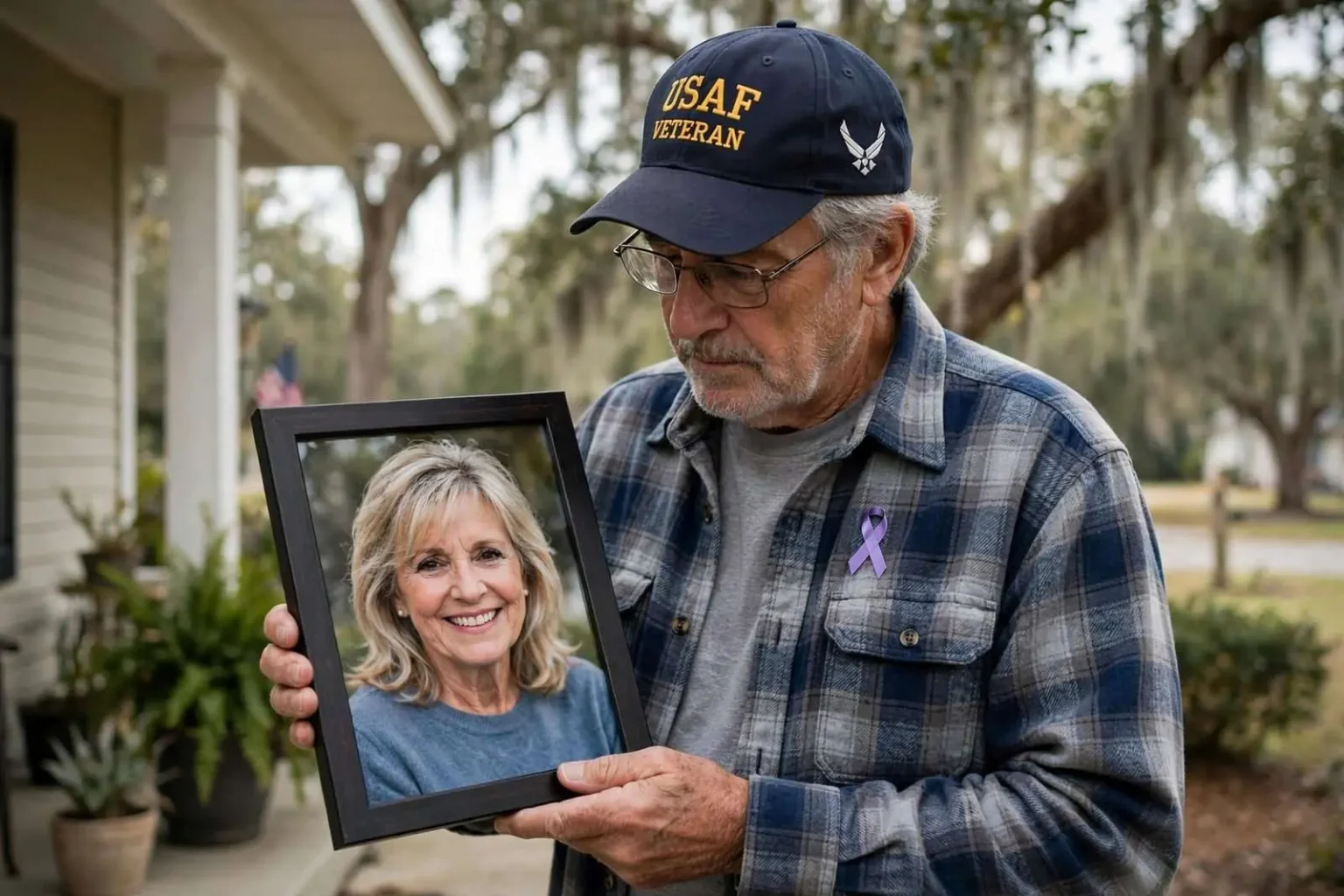
“My wife Betty was a very special lady,” her husband Brian Owen said. “You know she always was concerned about doing for others. We got married we were both in the Air Force.”
Brian said Betty was the same person he fell in love with, even after a cancer diagnosis changed their lives.
“Clearly etched in my memory, she was diagnosed with pancreatic cancer in May of 2022,” Brian said. “What goes through a lot of people’s heads is, ‘Okay, I’ve just been given a death sentence.’”
Why That Reaction Is Understandable
National Cancer Institute data show that only about 3% of patients with advanced, metastatic pancreatic cancer survive five years after a diagnosis.
That figure is among the most sobering in oncology, and it reflects the particular difficulty of the disease. Pancreatic cancer often produces no distinctive symptoms until it has spread, which means a large share of patients are diagnosed at a stage when surgical removal is no longer an option.
The Decision to Enroll
A newly FDA-approved treatment now gives some patients a new option — not a cure, but a way to potentially extend their lives.
Betty became one of the first patients to take the medication during its initial clinical trials. Her reasoning, as Brian recalls it, was direct.
“Yeah, she just said, well, if I don’t take this, I know that within a matter of weeks or months or whatever, I’m going to go meet my maker,” Brian said.
What Early Trial Participation Means
Patients who enroll in a drug’s earliest trials occupy an unusual position. The treatment’s effectiveness is unproven by definition — that is what the trial exists to determine — and the participant assumes the risk of an unknown safety profile.
What they contribute is the data on which every later approval rests. A medication cannot reach the patients who will use it years later without the people who took it when no one yet knew whether it worked.
Betty died before she could see the medication become an option for cancer patients. Brian said it allowed her to live a good quality of life beyond what doctors initially expected.
Continuing the Work
Brian is now an active advocate for pancreatic cancer patients around the world, working to ensure Betty’s story continues to reach others and to give people hope for the future.
“I didn’t want her efforts to die when she died. You know, her memory, her life and everything,” Brian said. “It just felt good knowing that someone that I loved and cared very much for, had a part in helping others down the road.”
Patient advocacy in rare and hard-to-treat cancers tends to be carried by exactly this kind of person — a family member who came to the disease involuntarily and stayed involved after their own reason for being there was gone. In diseases with low survival rates, the pool of long-term survivors available to advocate is small, which places disproportionate weight on the families left behind.
What He Would Tell Her
Asked what he would want Betty to know if she could see the news today, Brian had an answer ready.
“Babe, we did it,” he said. “Well, you did it. Love you.”
For Patients Considering a Trial
Patients interested in clinical trials should raise the question with their treating oncologist, who can identify studies for which they may be eligible. Enrollment criteria are specific and can turn on cancer stage, prior treatments and overall health.
Information about trials currently enrolling is also maintained in federal registries, though a physician referral remains the most practical route for most patients.