Trapped Two Days After Isaias, Conecuh County Couple Lost Home of 27 Years in Range
Kathy and Carlos Whitehead escaped their bedroom moments before a tree crashed onto their bed during Hurricane Isaias, then spent two days trapped in their Range home. Nearly a week later the Conecuh County couple is without power and says their community badly needs gas for generators.
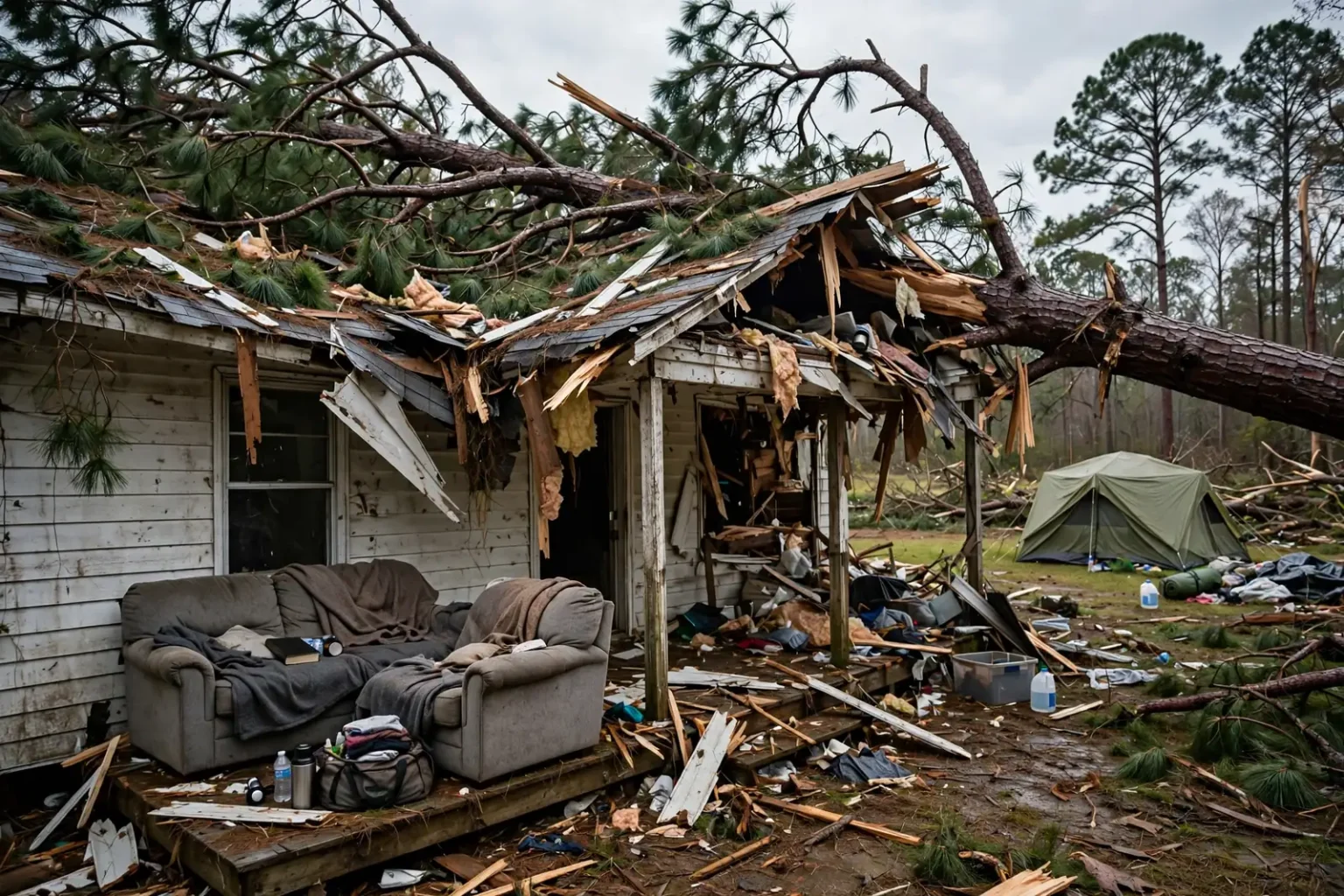
RANGE, Ala. — For 27 years, Kathy and Carlos Whitehead’s home in the Range community of Conecuh County stood up to every storm that came through. Hurricane Isaias was different. When two trees came crashing through the house on the night of Friday, Oct. 9, the couple escaped with their lives, a Bible and each other, and little else. Nearly a week later, this Conecuh County couple is still without power, sleeping on a couch and a love seat and preparing to move into a tent.
“It was the worst sound I ever heard in my life. I’m 72 years old, and I’ve never been in a disaster like this,” Kathy Whitehead said.
‘Get up, get out here now’
The couple was in their bedroom as Isaias’ winds roared through the rural community, which sits in the southern part of Conecuh County north of Brewton. Carlos Whitehead sensed something was wrong.
“We was in the bedroom, and my husband says get up, get out here now,” Kathy recalled.
“I grabbed her and snatched her up; I grabbed my bible with me too,” Carlos said. “We got to the living room, we heard a big boom, and everything fell.”
Moments after they left the bedroom, a tree came through the roof and landed on the bed where Kathy had been lying. A second tree crashed into the bathroom.
“The tree come through the bedroom on the bed where I was lying, and then another tree come through on the bathroom,” Kathy said. “We’ve been here 27 years, 27 years. And we never thought this.”
Trapped for two days
The fallen trees and limbs did not just destroy rooms; they sealed the couple inside. The Whiteheads were trapped in what was left of their home for two days until volunteers arrived and cut away the limbs blocking them in.
“All of a sudden there’s a bunch of people pulled up and some church people,” Carlos said. “I was on my knees crying. They prayed for me and all, but they cleaned up and got us where we can get out of the house because we couldn’t get out.”
Once they could get outside and see the full extent of the damage, the couple was devastated.
“I lost my trailer, my shed, my house, and the truck. Everything, lost it all,” Kathy said.
Living on the couch, and soon in a tent
With the bedroom destroyed, the couple has been making do in the living room.
“We’ve been sleeping him on the couch and me on the love seat. But we’re going to pitch the tent probably today or tomorrow,” Kathy said.
Nearly a week after the storm, they still have no electricity, and supplies in their community are running low. Money is, too.
“We paid our bills the first of the month, and we’re on fixed incomes. And so now we have just spent the last of our money for gas,” the couple said.
Despite everything, Carlos said what matters most survived.
“God bless all those people that came out here and helped us, both of us alive, I got my baby,” he said.
A community that needs gas
The Whiteheads said the greatest need in Range right now is gasoline to keep generators running, because many homes in the area remain without power. In rural areas, generators often do more than run lights and refrigerators. Many households draw their water from private wells, and without electricity the pumps do not work.
Conecuh County was among the hardest-hit areas in Alabama. At one point after the storm, outage data showed nearly every electric customer in the county without power. Rural lines that run long distances through pine forests and along dirt roads, often serving only a handful of homes per mile, take longer to rebuild than city systems, and outlying communities such as Range have been among the last to see crews.
Their story echoes others from across the region. In nearby Flomaton, an Escambia County family has been sleeping in a tent since an oak tree came through their home, and in Brewton, families described sheltering in bathtubs and closets as Isaias tore at their houses.
What help is available
Conecuh County is one of the counties where state emergency management teams have been deployed to assess damage. Gov. Kay Ivey has extended Alabama’s state of emergency through Oct. 28 while assessments continue, and she has said some Alabamians may be eligible for federal assistance. Conecuh County was not among the counties in the president’s initial Oct. 9 emergency declaration, which covered Mobile, Baldwin and Escambia counties and the Poarch Band of Creek Indians. Documenting damage now is a key step toward any additional federal help.
Conecuh County residents with storm damage can:
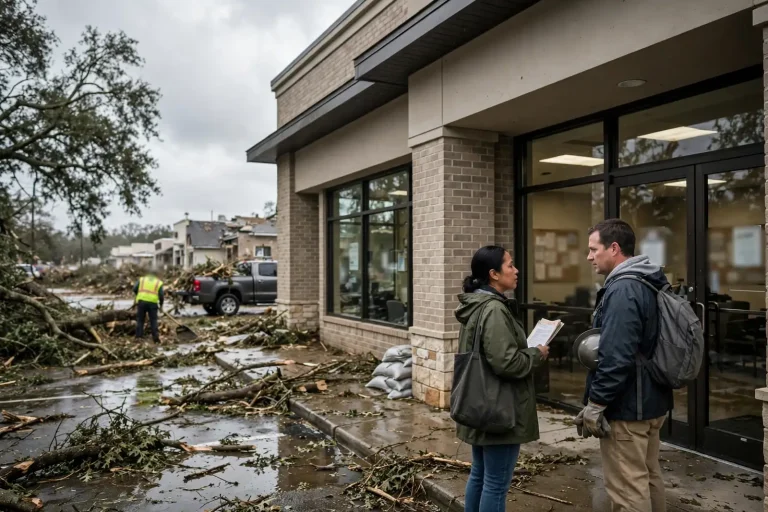
- Report damage and upload photos through the Conecuh County Public Safety app, or call the Conecuh County EMA at 251-578-1921 if they do not have internet access.
- Call 211 to be connected with local resources for food, water, shelter and cleanup help.
- Keep records of all storm damage, including photos taken before cleanup, and save receipts for fuel, tarps, tree removal and temporary lodging.
- Take advantage of tax relief. The IRS has postponed many federal filing and payment deadlines to Feb. 4, 2027, for taxpayers in the 40 Alabama counties covered by the governor’s emergency declaration, including Conecuh.
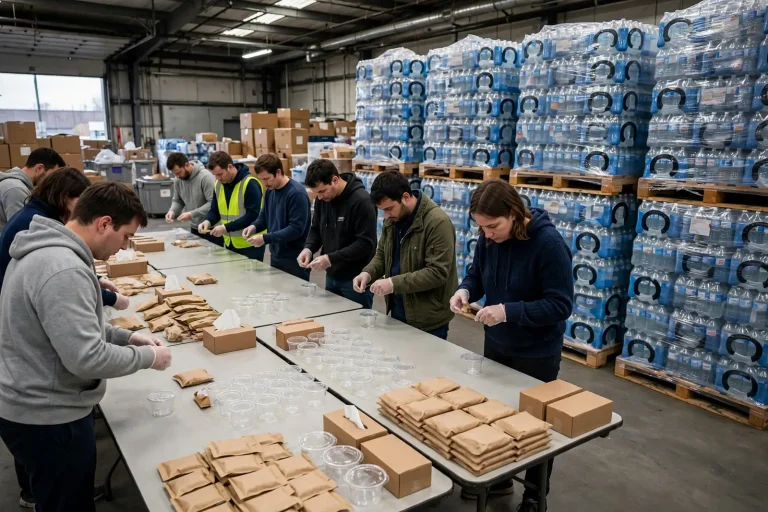
Volunteer groups, including church teams and disaster relief organizations such as Samaritan’s Purse, have been helping uninsured and underinsured homeowners in the region with tree removal and roof tarping.
How others can help
Neighbors and people from outside the area who want to help storm victims in rural Conecuh and Escambia counties can:
- Donate gasoline, gas cans or gift cards for fuel through local churches and established relief groups working in the area.
- Give to recognized disaster relief organizations rather than unverified online appeals, and check that a fundraiser is legitimate before donating.
- Volunteer through an organized group so that help reaches the people who need it and volunteers stay safe.
- Check on older neighbors and those on fixed incomes, who may have trouble getting fuel, food or medicine while power is out.
Generator safety
With so many households relying on generators, safety officials continue to warn about carbon monoxide, a colorless, odorless gas that can kill within minutes. Generators should be run outdoors only, far from doors, windows and vents, and never in a home, garage, carport or tent. Residents should let generators cool before refueling and store gasoline in approved containers away from living areas.
For the Whiteheads, the road ahead is long. But after a night they will never forget and two days trapped inside a broken house, they say they are grateful to still have each other and for the strangers who came down the road to help.