Fishbowl Records: How a Mobile Music Label Is Championing Local Artists
Fishbowl Records, an independent label in Mobile, produces affordable live recordings and connects local artists with industry contacts.
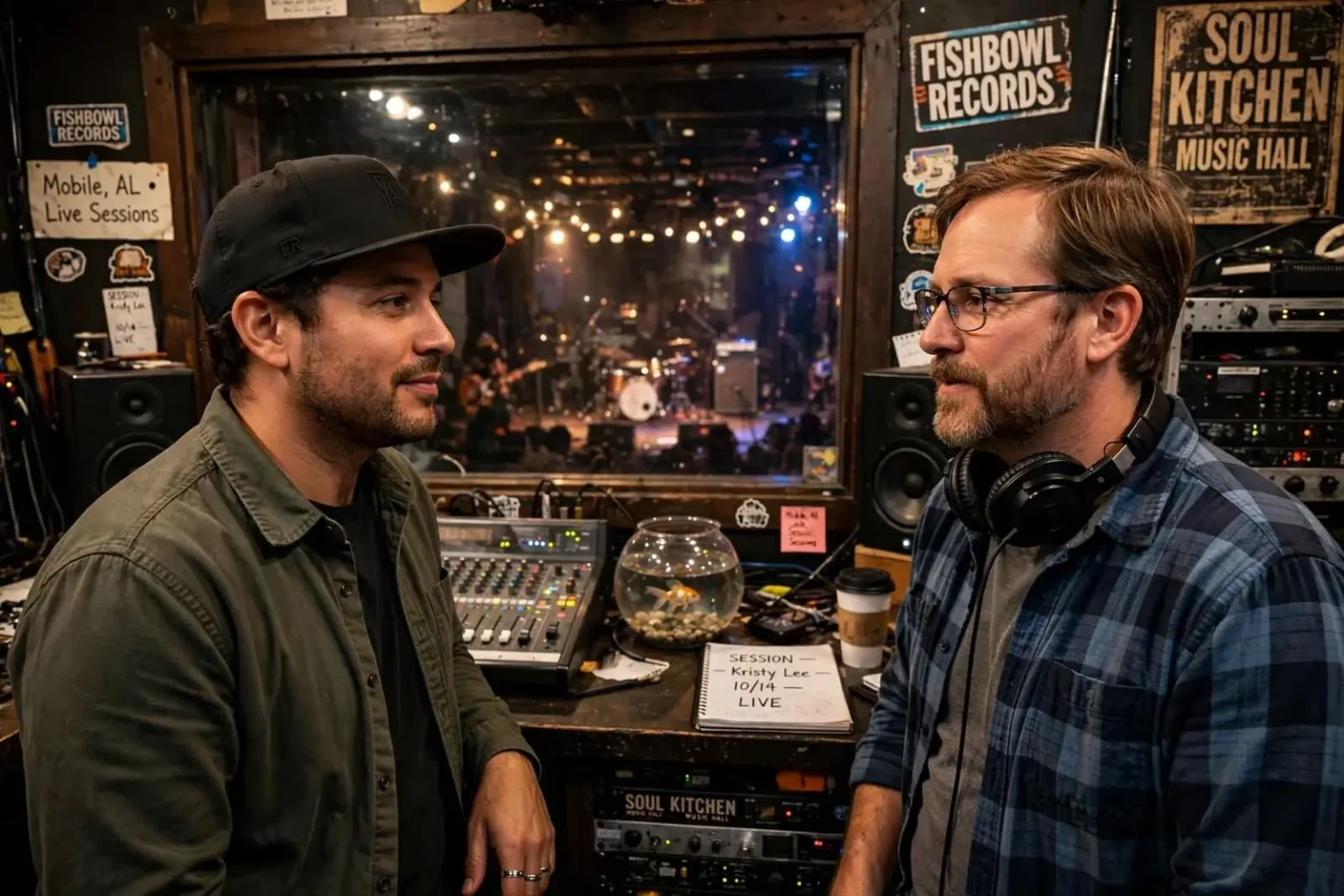
In a city brimming with musical talent, one independent label has carved out a unique niche by turning live performances into polished recordings that help local artists break through. Fishbowl Records, co-founded by Ryan Chavez and sound engineer Dan Merker, has been quietly building a bridge between Mobile’s thriving live music scene and the broader music industry. The operation’s premise is simple but rare: capture bands where they already sound best — on stage, in front of an audience — and turn those performances into professional recordings an artist can actually use.
From live venues to the recording studio
The concept behind Fishbowl Records grew organically from Chavez and Merker’s deep involvement in Mobile’s entertainment landscape. Merker co-owns Soul Kitchen Music Hall, and both partners are involved with The Alabama Music Box, two rooms that anchor the downtown circuit for touring and local acts alike. Merker also runs AM Entertainment Productions, a production company with a growing roster of clients, giving the partnership a foundation in promotion and live event work that most indie labels lack.
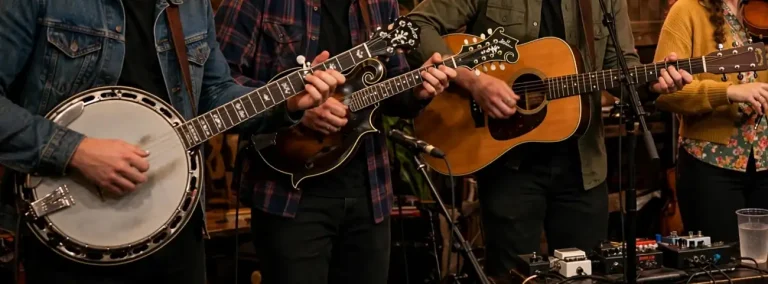
After years of working together, the pair began experimenting with live recordings at both venues and discovered they could produce sound quality they felt rivaled major-label live albums — all at a fraction of the cost. With bands already performing at their venues, offering affordable live recording sessions was a natural extension of their work. The economics are the point: a traditional studio album can cost a developing band more than it can recoup, while a well-engineered live session captured during an ordinary performance turns an existing gig into usable product at almost no additional cost to the artist.
That model also matches how audiences actually listen. Live recordings carry an energy a control room can struggle to reproduce — crowd reactions, between-song patter, the small imperfections that signal a band playing in real time. For venues like Soul Kitchen, where the room itself is part of the experience, capturing that atmosphere preserves what makes the act worth seeing, not just hearing.
Notable collaborations
Fishbowl Records’ early breakthrough came through partnerships with established labels. Working with Rock Ridge Music, they recorded live sets by Ingram Hill and The Benjy Davis Project at Soul Kitchen — sessions that put the Mobile room, and the label’s recording chops, in front of national audiences. A collaboration with Epic Records followed, capturing a live performance by Natasha Bedingfield at the WABB radio station in Mobile, a session that paired a major-label pop artist with a station whose call letters have long been synonymous with Top 40 radio on the Gulf Coast.
Those collaborations served as proof of concept. If national labels were willing to trust a Mobile-based operation with sessions from their own artists, the quality argument had been settled — this was not a vanity project or a hobby rig, but a working recording enterprise capable of delivering broadcast-grade results from a club stage and a radio studio alike.
The label has also worked extensively with rising local talent, including singer-songwriter Kristy Lee, vocalist Elley Duhe, and the band The Sunshine Factory, whose live album was slated for digital release in early 2011. Each project followed the same template — capture the act live, deliver polished tracks, and give the artist a finished recording they can pitch, post, and sell.
More than a recording label
While live recordings remain the core of the business, Fishbowl Records has been expanding its role into something closer to an independent A&R agency. Leveraging an extensive network of music bloggers, entertainment lawyers, publishers, talent buyers, and festival producers, Chavez and Merker work to connect developing artists with the contacts and opportunities they need to advance their careers. The finished recordings serve multiple purposes for the artists involved: some use them as demo material to pitch to major labels, others incorporate them into promotional videos, and several albums have been approved for radio airplay or commercial release through partner labels.
In an industry where the traditional gatekeepers have thinned — fewer label scouts on the road, fewer development deals, fewer advance checks — that kind of locally rooted matchmaking fills a real gap. A band with a strong live album, a press kit, and a warm introduction to a festival producer or talent buyer has a practical path forward that did not exist for previous generations of Gulf Coast acts, who often had to leave the region entirely to be noticed.
The A&R function also reflects how the music business itself has shifted. Digital distribution lowered the barrier to releasing music, which made quality control and curation more valuable, not less. A label that listens to dozens of local acts a month and knows which of them draw crowds and deliver on stage is performing the scouting role the industry once staffed regionally — and performing it with better information, because Chavez and Merker see the acts in their own rooms.
A deep bench of local talent
When asked which local acts he would most like to work with next, Chavez rattled off an enthusiastic list that included UgliStick, singer-songwriter Gregg Fells, El Cantador, the Underhill Family Orchestra, Josh Ewing, and blues artist Lisa Mills — a testament to the depth and diversity of Mobile’s music community. The range of that wish list says as much about the scene as the names themselves: rock bands and singer-songwriters, an orchestral-family collective and a blues veteran, all working the same circuit of rooms and festivals.
That diversity is a structural advantage for a live-recording label. Because the Fishbowl model depends on capturing acts wherever they play, a scene that offers roots music, indie rock, blues, and pop on any given weekend gives the label a catalog breadth that a single-genre market could never supply. It also means the label’s success is tied to the health of the venues themselves — full calendars and healthy crowds feed the pipeline that makes affordable live recording possible.
Mobile’s position on the regional touring map helps too. The city sits between New Orleans and the Florida Panhandle markets along the Gulf Coast circuit, close enough to the regional interstate corridors that national acts route through, and large enough to sustain homegrown acts that can fill a room on a weeknight. Both categories — the touring artist passing through and the local band building a following — are candidates for the kind of sessions Fishbowl captures.
What the model means for Gulf Coast artists
For working musicians in Mobile and across south Alabama, the emergence of a label built around live recording changes the practical calculus of making a record. The traditional path — save for studio time, record over weeks, mix, master, and hope the finished product still sounds like the band — requires money and time most developing acts do not have. The live model replaces that with a single well-captured night’s work, preserving the performance an audience already validated.
The approach is not a substitute for studio craft in every situation; layered productions and intricate arrangements still belong in the control room. But for the bulk of what Gulf Coast audiences pay to hear — bands playing rooms like Soul Kitchen and The Alabama Music Box — a professional live capture is both more affordable and more representative of the act. Fishbowl’s bet is that the region’s best product is already being made on its stages every night; it just needs to be caught.
Open for submissions
Fishbowl Records continues to accept submissions from artists looking for affordable, high-quality live recording services and broader industry support in the Mobile area. The submission pipeline is the lifeblood of the operation: every act that plays the partner venues is a potential session, and every session is a potential album, demo, or introduction to the wider industry network the label has spent years assembling.
For the artists, the value proposition extends beyond the tracks themselves. A live album recorded at a respected room carries a stamp of legitimacy that a bedroom demo cannot match, and the relationships that come with a Fishbowl project — to bloggers, publishers, talent buyers, and fellow musicians — often outlast the specific release. In a regional scene where careers are built on rooms, reputation, and repetition, having a local institution invested in documenting the work matters.
A model other cities notice
The Fishbowl formula — venue owners capturing their own stages and leveraging the results into artist development — has drawn attention beyond Mobile because it answers a question every mid-sized music city faces: how does a local scene convert its live energy into career momentum for its artists? Cities across the Southeast have watched their best acts leave for Atlanta, Nashville, or Austin, often because the infrastructure to develop them at home did not exist. A label that records the scene where it stands offers one answer.
Whether the model scales remains an open question in any market, but the early returns in Mobile suggested it could work: national collaborations secured, local albums released, artists supported from stage to studio to market. For a port city with a long musical memory and a persistent talent surplus, Fishbowl Records has positioned itself as both documentarian and advocate — the operation best placed to prove that the next significant Gulf Coast act may already be playing three sets a week downtown, just waiting for the tapes to roll.