Hurricane Isaias: How to Protect Your Insurance Claim and Avoid Storm Repair Scams
A local insurance expert and the Better Business Bureau of Central and South Alabama explain how to document property, understand hurricane deductibles and spot storm repair scams as Hurricane Isaias approaches.
MOBILE, Ala. — As Hurricane Isaias approaches the Alabama coast, the Better Business Bureau and a local insurance professional are urging homeowners to think now about the hurricane insurance claims and storm repair scams that often follow a major storm. Their advice: document your property before the weather arrives, understand your deductible, and slow down before signing anything with a contractor who knocks on your door afterward.
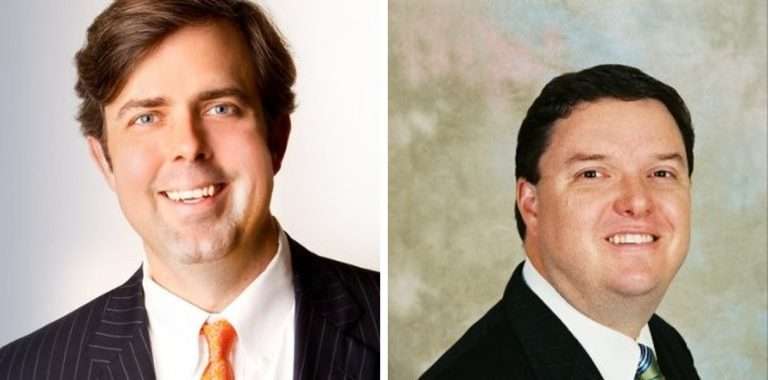
The Better Business Bureau of Central and South Alabama warned this week that severe weather “often attracts scammers looking to take advantage of people in distress,” from storm chasers offering quick repairs to impostors posing as FEMA representatives and fake charities seeking donations. Allen Chapman of HUB International, an insurance brokerage, said a few simple steps taken before and after the storm can protect property owners and make the claims process smoother.
Before the storm: photograph everything
One of the simplest steps may also be the most valuable, Chapman said: take photos and video of your property, especially the roof, before the weather hits.
Documenting a home’s condition ahead of time gives a homeowner clear evidence to show an insurer exactly what changed after the storm passes. Walk around the outside of the house, capture each side of the roof if it can be done safely from the ground, and film the inside room by room, including furniture, appliances and electronics. Save the files somewhere other than your phone, such as a cloud account or an email to yourself, so they survive even if the device does not.
“First, just prepare your property. Secure things that may fly in the wind,” Chapman said. “Second would be to refresh your memory, get a hold of your insurance policy, review it and call your agent with any questions you have.”
It is also wise to keep a copy of your policy, your insurer’s claims phone number and your policy number with your emergency supplies or in a waterproof bag, since power and internet service may be unreliable after a hurricane.
Know your hurricane deductible
Chapman said one of the most commonly misunderstood parts of hurricane coverage is the percentage deductible. Unlike a flat-dollar deductible, a percentage deductible is based on the insured value of the property, not the size of the loss.
He offered an example: a homeowner with a $400,000 house and a 5% deductible would be responsible for the first $20,000 in covered damage. If the storm damages a roof that costs $25,000 to replace, the insurer’s share would be the amount above that deductible, and Chapman said policyholders should understand that exposure before a storm, not after.
Many Gulf Coast policies carry separate wind or named-storm deductibles that apply only when damage is caused by a hurricane or tropical storm. Your policy’s declarations page will show what deductible applies and how it is calculated. If anything is unclear, your agent can explain it.
It is equally important to know what your policy does not cover. Standard homeowners policies generally do not cover damage from flooding, including storm surge and rising water. Flood coverage is sold separately, most commonly through the National Flood Insurance Program, and new flood policies typically carry a 30-day waiting period, so coverage purchased now will not apply to this storm. Knowing that ahead of time can help families plan.
After the storm: protect the property and keep receipts
Once it is safe to do so, Chapman said, property owners should inspect their homes or businesses and document any damage with more photos and video. If damage has left a building exposed to the weather, policyholders do not have to wait for an adjuster before making temporary repairs.
“You have a responsibility to prevent further damage,” Chapman said.
That could mean having a contractor tarp a damaged roof, boarding up broken windows or taking other temporary steps to keep water and wind from causing additional losses. Chapman said policyholders should photograph the damage before repairs are made and keep receipts for any emergency work, since those costs are often part of the claim.
He also urged homeowners not to assume the worst about their insurer. “If you just had a loss, there hasn’t even been time for things to go south with your insurance company,” Chapman said. “Get a carrier and adjuster to handle the claim first instead of assuming they won’t.”
Beware the knock at the door
Both Chapman and the BBB cautioned residents about contractors who go door to door after a storm, particularly those promising roof replacements or offering to help handle an insurance claim. Chapman said out-of-town contractors and other opportunists often flood storm-damaged areas after hurricanes, and he recommended using established local contractors when possible.
He suggested homeowners ask themselves a simple question before agreeing to major work: “If I didn’t have insurance and it was my dollars to replace it, would I pay out of pocket to replace the roof?”
“After a storm, everyone wants their home or office back to normal as fast as possible, and scammers know it,” said Evey Owen, vice president at the BBB of Central and South Alabama. “Slow down and research anyone before you hire them. Get everything in writing and make sure you read the fine print before you sign.”
The BBB lists these red flags of disaster-related scams:
- Someone shows up at your door offering repairs you didn’t ask for.
- You are pressured to hire on the spot to lock in a “good deal.”
- Prices or timelines seem too good to be true.
- The contractor demands full payment, or a very large deposit, before work begins.
- The person has no identification or business name.
How to hire safely
The BBB recommends several steps for anyone hiring help with storm repairs:
- Research before you hire. Look up contractors with the BBB, ask for local references and confirm they are licensed to work in Alabama and carry insurance.
- Get it in writing. Collect multiple estimates that include a full description of the work and materials and a breakdown of labor and supply costs. Be wary of a bid that is far lower than the rest, which may signal substandard materials or work.
- Read the fine print. Some repair contracts include an “assignment of benefits,” which gives the contractor rights to your insurance claim and lets them collect payment without your involvement. Read every document before you sign, and pay the contractor directly based on an invoice.
- Never pay in full up front. Pay in installments and make the final payment only when the work is complete. Avoid cash; paying with a credit card can add fraud protection.
Residents with questions about an insurance company, an agent or the claims process can also contact the Alabama Department of Insurance, the state agency that regulates insurers doing business in Alabama.
FEMA impostors and fake charities
Scams after a disaster are not limited to repairs. The BBB said residents should know how to spot someone falsely claiming to work for the government. FEMA and U.S. Small Business Administration representatives never charge for disaster assistance, inspections or help filling out applications, and they carry official photo identification. Anyone who promises a disaster grant in exchange for payment does not represent FEMA.
If federal disaster assistance becomes available after the storm, information on how to apply will be posted through official channels such as DisasterAssistance.gov and FEMA’s own website. Be cautious of unsolicited calls, texts or emails asking for Social Security numbers or bank account information.
Generosity can be targeted, too. Before donating to relief efforts, the BBB recommends checking a charity through its charity review service, BBB Wise Giving Alliance at Give.org. Don’t click links in emails or text messages that claim to come from a relief organization; go directly to the charity’s own website instead.
Price gouging law is in effect
Gov. Kay Ivey’s state of emergency for 40 Alabama counties, issued Wednesday ahead of the storm, means Alabama’s price gouging law is now in effect in those counties, including Mobile and Baldwin.
Under Alabama law, a price that is 25% or more above the average price charged in the same area within the previous 30 days is considered unconscionable unless the increase can be attributed to a reasonable cost. Residents can report suspected price gouging to the Alabama Attorney General’s Office at 1-800-392-5658.
The BBB also asks residents to report scams or fraudulent activity to their local sheriff’s office and then to BBB Scam Tracker, an online tool that helps warn others in the community.
A checklist for policyholders
- Photograph and video your home, roof and belongings now.
- Review your policy, especially your wind or named-storm deductible, and call your agent with questions.
- Keep your policy number and insurer’s claims line with your emergency supplies.
- After the storm, document damage before making temporary repairs, and save every receipt.
- Make reasonable temporary repairs to prevent further damage.
- Let your insurer and adjuster evaluate the loss before assuming a claim will be denied.
- Hire licensed, insured, established contractors, get written estimates and never pay in full up front.
- Report price gouging to the Alabama Attorney General and scams to your sheriff and BBB Scam Tracker.
“Remember: slow down, stay aware and watch out for red flags,” the BBB said.