

BAY MINETTE, Ala. — More than a month after an iconic Bay Minette restaurant caught fire, the owners say they intend to rebuild — on the same spot, with the same bricks.
On Aug. 1, an electrical fire started toward the back of Street’s Seafood Restaurant. Workers and employees were inside the building at the time. No one was hurt, but the building was considered a total loss.
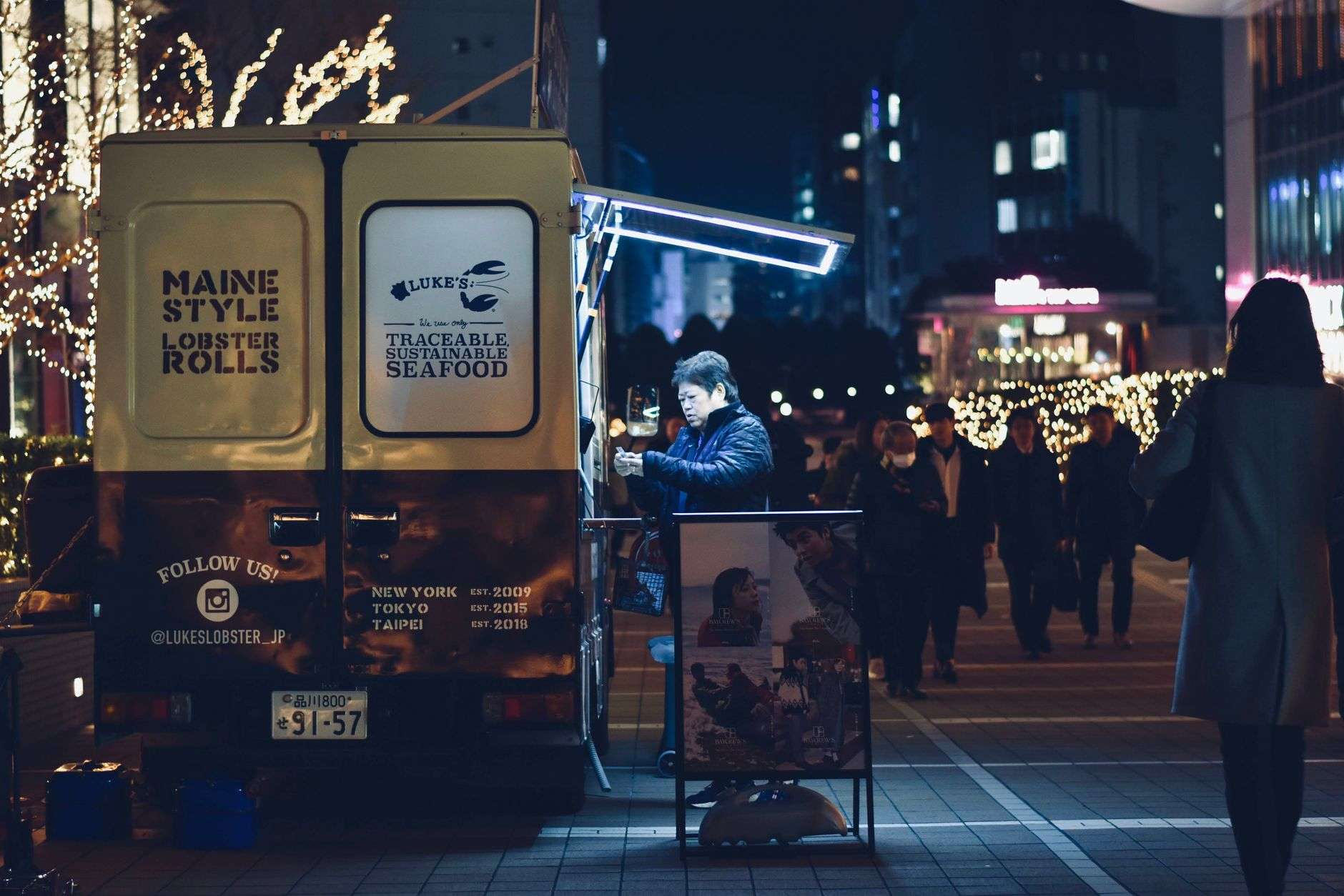
Today the restaurant is still serving meals and still functioning as a place for neighbors to gather, even if it looks a little different. Just a few steps from the damaged building sits the temporary solution: Street’s Seafood Truck.
Keeping People Employed
Leigh Overstreet, the daughter of restaurant owner Eugene Overstreet and the operation’s catering manager, said keeping the truck running was as much about staff as about revenue.
“We want to keep people employed and we need the business coming in,” Overstreet said. “We’re just doing what we can. We know that people in our community wanted to see each other and us, and they want our food. So this is a great way for us to keep that going.”
Several employees were able to stay on and work the food truck. The rest were transferred to the family’s sister locations — Stagecoach Café in Stockton and Saving Grace Kitchen in Bay Minette.
That arrangement is the practical advantage of operating more than one restaurant. A fire at a single-location business typically means an immediate layoff of the entire staff, and by the time the building reopens, most of those employees have found other work. Redistributing a crew across existing kitchens keeps trained people inside the organization through the rebuild.
Saving the Brick
Much of the brick has been stripped from the building and preserved, and part of the interior demolition has started.
“We’re in the first couple steps of designing the new building and just what we want it to look like and that kind of thing,” Overstreet said. “So we have taken the bricks off of the building. They’re a certain style of brick that was made, I don’t know, 20 or 30 years ago. And my dad wanted to save those. They’re kind of sentimental to us.”
Salvaging brick by hand is slower and more expensive than hauling debris to a landfill and ordering new material. Each brick has to be removed, cleaned of mortar and stacked without breakage, and the yield is always less than the original count. Families who go to that trouble after a fire are usually buying something that cannot be ordered: a rebuilt building that still reads as the same place to the people who ate there for decades.
The Demolition Timeline
“They’re tearing down what they can on the inside but we’re hoping to start the full demolition and have it totally done,” Overstreet said. “I’m just giving a rough estimate of about a month.”
The Overstreet family plans to rebuild in the same location. Portions of the internal demolition have already started.
A rough estimate of about a month for demolition is a normal figure for a total-loss commercial structure, and it is typically the most predictable phase of a rebuild. What follows — design, permitting, insurance settlement and construction — is where timelines tend to stretch. The family has not announced a target reopening date.
A Parking Lot That Became the Dining Room
Overstreet said folks have been gathering and visiting with their neighbors in the parking lot of the food truck. She said she is excited to keep the community up to date throughout the construction process.
That detail says something about what a long-running local restaurant actually provides. The building burned, the dining room is gone, and people are still showing up to the same address and standing around talking to each other. The food truck supplies the menu; the habit supplied the rest.
Electrical Fires in Commercial Kitchens
The fire was electrical in origin and started toward the back of the building. Commercial kitchens concentrate several risk factors in a small area: heavy amperage draws from refrigeration, ventilation and cooking equipment; long equipment service lives; grease-laden environments; and wiring that is frequently older than the equipment connected to it.
Fire-safety guidance for restaurant operators generally emphasizes periodic inspection of electrical panels and equipment cords, avoiding extension cords for permanent equipment, and keeping the area around panels and outlets clear. That no one was injured in an occupied building during a working shift is the most significant fact in the Aug. 1 incident.
Where to Find Them Now
Street’s Seafood Truck is operating at the restaurant’s Bay Minette location. The family’s other two restaurants — Stagecoach Café in Stockton and Saving Grace Kitchen in Bay Minette — remain open, and several former Street’s employees are working at both.