Summer Heat Is Pushing Alabama Gas Prices Higher, AAA Says
AAA Alabama says summer heat is driving gas prices up across the state, with the average hitting $3.43 amid crude oil supply strains.
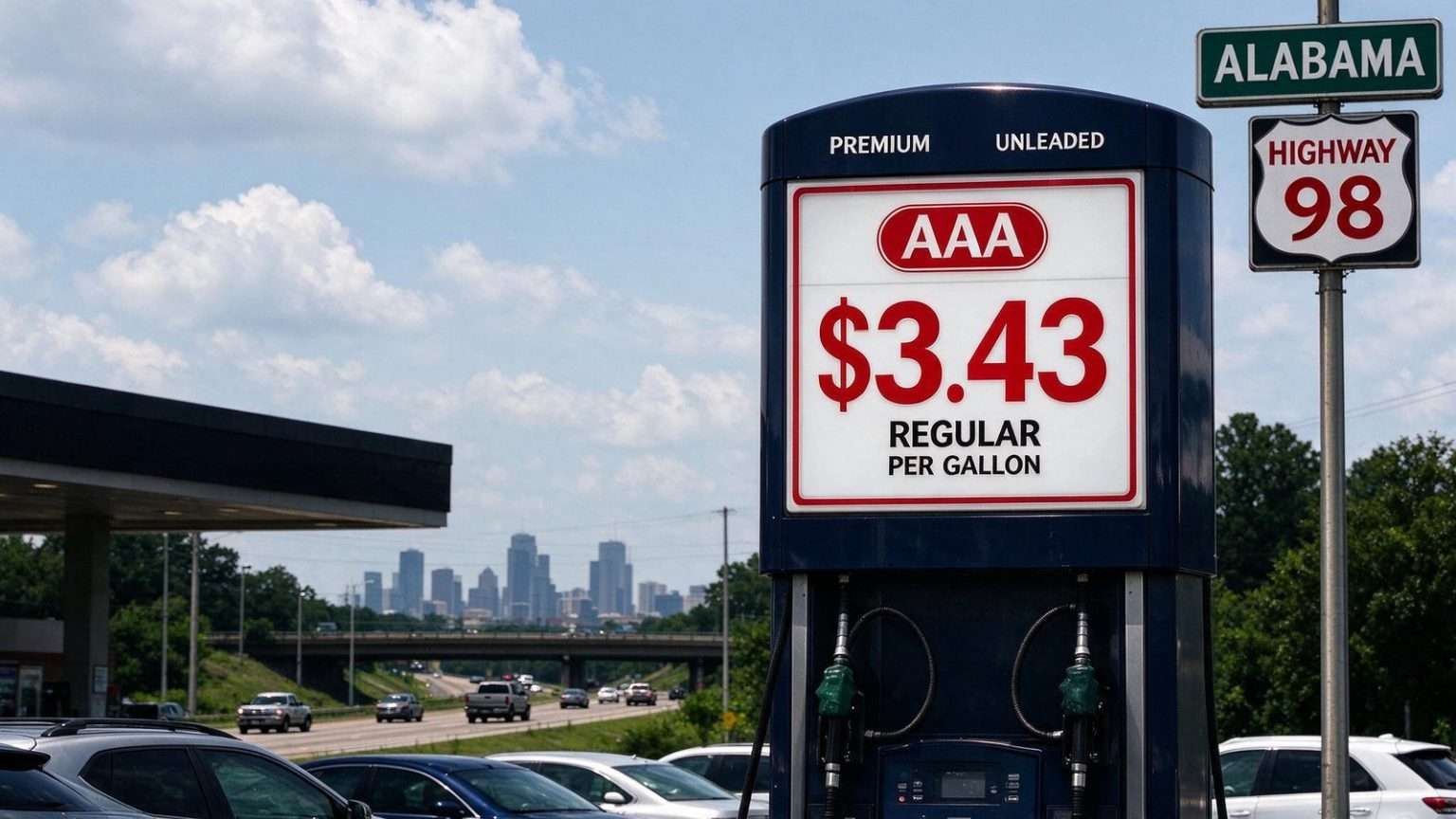
Alabama drivers are getting hit twice by this summer’s brutal heat — once outside and again at the gas pump. The statewide average price for a gallon of regular gasoline climbed to $3.43, according to AAA Alabama, an increase of 18 cents in a single week and 35 cents over the past month. A jump of that size, in that short a window, is unusual for this point on the calendar, and it has left motorists across the state paying noticeably more for the same fill-up they bought a month ago.
Clay Ingram, public relations manager for AAA Alabama, said the timing is especially odd. As students head back to school, gas prices normally hold steady or begin a slow slide toward fall. Summer vacation travel is winding down, demand at the pump eases, and refineries finish their seasonal maintenance and switch over to cheaper winter fuel blends. Instead, sweltering temperatures have scrambled the usual pattern, pushing prices higher in August just as families are absorbing back-to-school expenses and planning Labor Day getaways.
How heat drives prices up
Ingram explained that extreme heat creates a double squeeze on supply. When temperatures soar, demand for crude oil rises because power companies burn more of it to keep the electricity flowing to air conditioners. Every heat wave that settles over the Southeast forces utilities to run their plants flat out, and that surge in generation competes directly with gasoline production for the same barrels of crude.
At the same time, high heat makes refinery problems more likely, cutting into production right as demand climbs. Refineries are built to operate within tight temperature ranges, and prolonged extreme heat stresses equipment, forces units offline for unplanned repairs and slows output across the Gulf Coast refining corridor that supplies Alabama’s fuel. The result has been a rapid jump in crude costs at exactly the moment the fuel supply chain can least afford a disruption.
“We have seen our crude prices go from 60-something dollars a barrel to 80-something dollars a barrel just in the last few weeks,” Ingram said. Because crude is the single largest component of the price of a gallon of gasoline, a move of that magnitude works its way to the pump quickly, faster than most drivers realize. Wholesale costs rise first, station margins tighten, and retail prices follow within days as suppliers reset their deliveries.
The increase has been felt unevenly across the state, with prices in metropolitan areas typically running higher than in smaller towns where competition among stations keeps them lower. AAA surveys thousands of stations daily to produce its state and metro averages, and this summer’s readings have climbed steadily rather than in spikes — a signature of sustained cost pressure rather than a one-time event like a hurricane or pipeline outage.
For Mobile-area drivers, the increases are showing up directly at the tank. Some motorists say a full fill-up now approaches $80, enough that many are topping off with partial purchases instead of filling the tank in one stop. Budgeting a few dollars at a time stretches the expense across a paycheck and lets drivers hold out for a better price at a station they pass later in the week — a small habit, but one that becomes widespread whenever prices climb this fast.
Commutes that once cost a predictable amount now run several dollars more each week, and for households driving long distances — across the Bayway, up I-65, or along the coastal corridors between Mobile and Baldwin County — the difference adds up quickly over a month. Pickup trucks and larger SUVs, common on Gulf Coast roads, feel the increase most acutely because of their larger tanks and lower fuel economy. Local service stations report more customers paying attention to the board prices out front, comparison shopping between competing corners in ways they did not when prices were stable.
Higher prices at the pump also ripple through the broader economy in ways drivers may not immediately notice. Shipping and delivery costs rise with fuel surcharges, contractors adjust bids to account for diesel expenses, and summer tourism gets a subtle drag as vacationers budget less for driving. For a state where many residents commute significant distances and where a large share of the economy — from the Port of Mobile to the beach towns of the Eastern Shore — depends on moving people and goods by road, fuel prices function as a quiet tax on nearly everything.
Relief expected by fall
Ingram said he expects the spike to be temporary. As temperatures cool and the natural seasonal decline in demand kicks in, prices should start easing. The air conditioning load that has been bidding crude away from refineries will shrink, power plants will dial back, and the pressure on the Gulf Coast refining system will relax. Refineries, meanwhile, will complete the annual switch to winter-blend gasoline, which is cheaper to produce and adds supply just as driving demand drops after Labor Day.
“I think our natural decline in demand that we typically see in the fall will help our prices come back down soon,” he said, adding that he expects prices to be considerably lower by the end of the year. The autumn slide is one of the most reliable patterns in the fuel market: demand falls after the summer driving season, schools are back in session, and stations compete harder for fewer gallons. When those seasonal forces are not being overwhelmed by a supply shock — as they are this summer — prices reliably retreat.
Station owners, for their part, have little room to cushion the blow. Most retailers operate on thin margins and set their prices based on what their next delivery will cost, so when wholesale prices jump, the change appears on the street sign almost immediately. That is also why prices tend to fall station by station rather than all at once on the way down — each location reprices as its cheaper deliveries arrive, which is why drivers often notice that the station across town is still weeks behind the best price in the area.
In the meantime, drivers have ways to blunt the impact. AAA recommends simple maintenance steps that cost little but return real savings: keeping tires properly inflated, staying current on oil changes and air filters, removing roof racks and cargo carriers when they are not in use, and avoiding aggressive acceleration and hard braking, which can measurably cut fuel economy. Planning trips so errands are combined into one loop rather than several outings, and using fuel-price apps to find the cheaper stations along a route, can shave meaningful dollars off a monthly fuel bill without changing anyone’s routine much.
Motorists should also be wary of the extremes at the pump. Filling a gas can for storage is generally a losing proposition at these prices, and topping off past the automatic shutoff can damage a vehicle’s vapor recovery system. At the same time, letting a tank run nearly dry strains the fuel pump and risks being stranded, which turns a few dollars of savings into a costly tow. Most fuel experts suggest filling when the tank reaches a quarter full — enough cushion to shop for a good price without risking the vehicle.
The broader lesson of this summer, energy watchers say, is how tightly the fuel market is coupled to the weather. The same heat that sends families to the beach and drives up electric bills also competes for the crude oil that becomes gasoline, and when a heat dome sits over the Southeast for weeks, every link in the energy chain feels it. Drivers who understand that connection can anticipate the pattern: prices tend to peak with the worst heat, ease as evenings cool, and fall steadily once autumn demand takes over.
For now, the advice from AAA is straightforward: budget for higher prices through the rest of the summer, expect meaningful relief by the time the calendar turns to fall, and treat the current spike as a seasonal squeeze rather than a new normal. Alabama’s prices have historically run below the national average, and there is nothing in the current supply picture to suggest that long-term position has changed. The heat will break, the refineries will recover, and the pump prices that frustrate drivers this August should look considerably better by the holidays.
The heat is also a reminder of how interconnected the state’s energy systems have become. The electricity that keeps homes cool, the natural gas and fuel oil that power the plants producing it, and the gasoline that moves Alabama’s commuters all draw on overlapping supply chains, so a strain in one corner of the market quickly shows up in another. Energy analysts watch summer heat forecasts as closely as they watch hurricanes for exactly this reason, and this year has been a textbook demonstration: weeks of extreme temperatures bid up crude, stressed the refineries, and pushed pump prices in a direction the calendar alone would never have taken them. When the pattern finally breaks, it tends to break quickly, and this summer should be no exception.