University of South Alabama Mobile
New USA Health Trauma Surgeon Dr. Daniel P. Suarez Brings ECMO and Critical Care Expertise to Mobile
USA Health has added Dr. Daniel P. Suarez, a board-certified trauma and critical care surgeon with ECMO expertise, to its Division of Trauma & Acute Care Surgery serving University and Providence hospitals in Mobile.
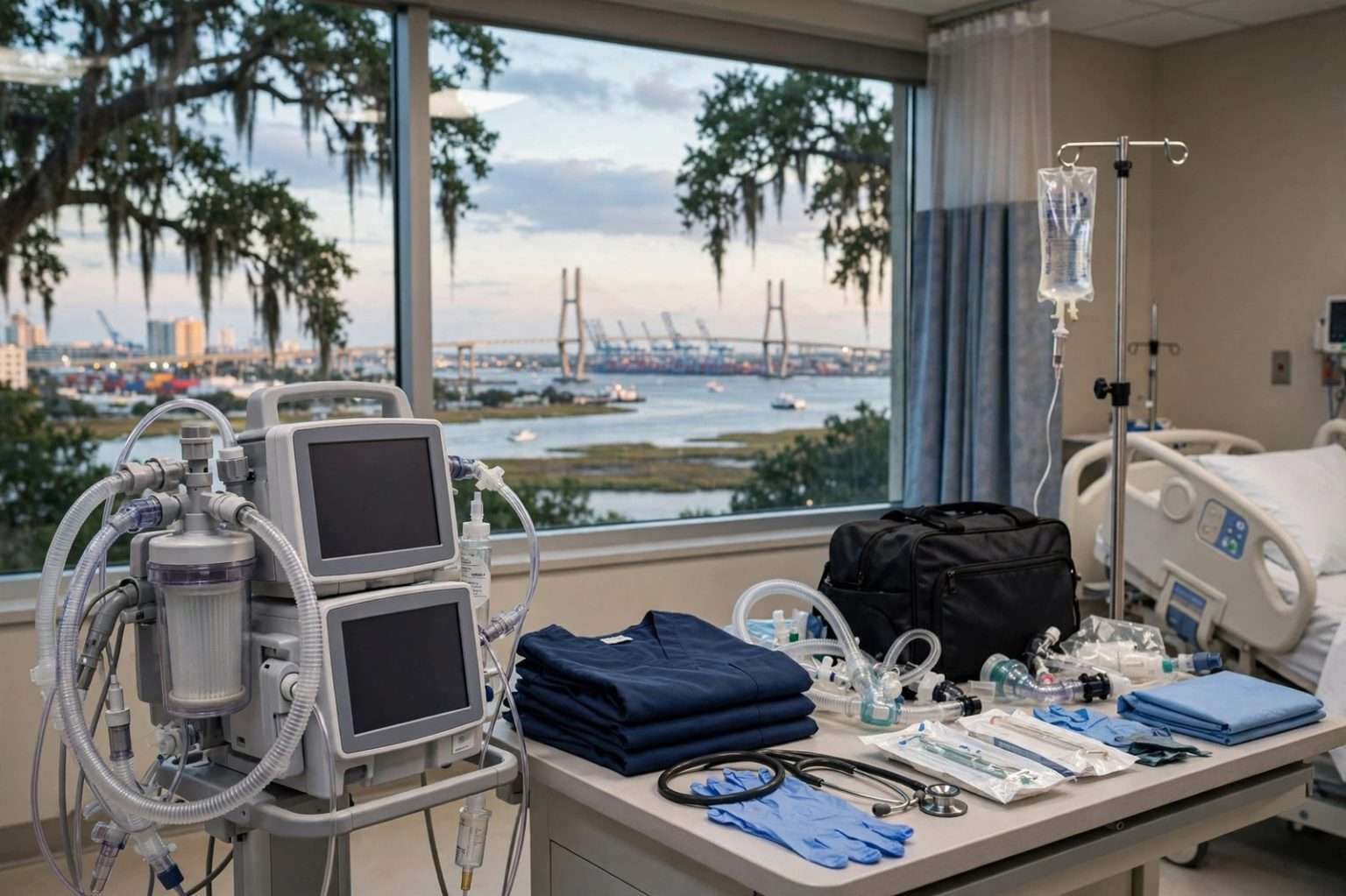
MOBILE, Ala. — The newest USA Health trauma surgeon, Dr. Daniel P. Suarez, has joined the health system’s Division of Trauma & Acute Care Surgery, adding a trauma and critical care specialist to the team that treats the region’s most seriously injured and critically ill patients, the health system announced Friday.
Suarez will provide care at University Hospital and Providence Hospital, both part of USA Health in Mobile. He brings a background in trauma surgery, acute care surgery and surgical critical care, along with expertise in advanced life-support techniques used in the intensive care unit.
Experience in Trauma and Critical Care
Before coming to Mobile, Suarez worked at Carle Foundation Hospital in Urbana, Illinois, where he served as an acute care general surgeon, a trauma surgeon and a critical care physician.
Those three roles reflect the overlapping disciplines that make up the field often called acute care surgery:
- Trauma surgery focuses on patients with serious injuries, such as those from vehicle crashes, falls and other accidents.
- Acute care or emergency general surgery covers urgent, non-injury surgical problems such as appendicitis, gallbladder disease, bowel obstructions and other abdominal emergencies.
- Surgical critical care involves managing critically ill surgical and trauma patients in the intensive care unit, often around the clock.
Surgeons trained across all three areas can follow a patient from arrival in the emergency department through the operating room and into the ICU, providing continuity during the most dangerous phases of an illness or injury.
Expertise in ECMO
USA Health highlighted Suarez’s expertise in advanced life-support techniques in the ICU, including extracorporeal membrane oxygenation, commonly known as ECMO.
ECMO is a form of life support used for patients whose heart or lungs are failing so severely that conventional treatments such as a ventilator are not enough. The technique draws blood out of the body, passes it through an artificial lung that adds oxygen and removes carbon dioxide, and then returns it to the patient. Depending on how it is set up, ECMO can support the lungs alone or both the heart and the lungs.
The therapy does not cure the underlying condition. Instead, it buys time, allowing the patient’s organs to rest and recover or giving the medical team time to pursue other treatments. Because it is complex and resource-intensive, ECMO is typically offered at larger hospitals with specialized critical care teams.
Training and Board Certification
Suarez is board-certified by the American Board of Surgery in both general surgery and surgical critical care. Board certification requires surgeons to complete accredited training and pass rigorous examinations, and certification in surgical critical care is an additional credential beyond general surgery.
He earned his medical degree at SUNY Upstate Medical University in Syracuse, New York, and stayed there to complete his residency in general surgery.
During his surgical training, Suarez earned several honors, according to USA Health:
- The Chief Resident Teaching Award
- Highest Senior American Board of Surgery In-Training Examination Score
- The Excellence in Hernia Repair Award
- Recognition for Excellence in Trauma Care
The American Board of Surgery In-Training Examination, often called the ABSITE, is a standardized test taken each year by general surgery residents across the country to measure their knowledge as they progress through training.
After residency, Suarez completed a fellowship in surgical critical care at the University of Michigan in Ann Arbor, where he received additional training in managing critically ill surgical patients.
Serving University and Providence Hospitals
USA Health is the academic health system of the University of South Alabama. Its University Hospital in Mobile is the region’s only Level I trauma center, the highest level of trauma care designation, and serves patients from across south Alabama, southeast Mississippi and northwest Florida.
Providence Hospital, located in west Mobile, became part of USA Health in 2021, expanding the system’s hospital capacity in the city.
Suarez’s work at both hospitals means his trauma, emergency surgery and critical care skills will be available to patients at two major Mobile hospital campuses.
What a Level I Trauma Center Provides
Trauma centers in the United States are categorized by level based on the resources they maintain. A Level I trauma center is equipped to care for every type of injury, from initial evaluation through surgery, intensive care and rehabilitation. These centers keep trauma surgeons and specialized teams available around the clock, and they also take part in teaching and research to advance trauma care.
When a severely injured patient arrives, a trauma team made up of surgeons, emergency physicians, nurses, respiratory therapists and other specialists works together to assess and stabilize the patient quickly. Surgeons in acute care surgery divisions like the one Suarez is joining lead much of that response and continue caring for patients after the initial emergency.
An Academic Health System
As the academic health system of the University of South Alabama, USA Health is closely tied to the university’s Frederick P. Whiddon College of Medicine, which trains medical students and resident physicians. Surgeons at academic medical centers often take part in educating the next generation of doctors, and Suarez’s training-era Chief Resident Teaching Award reflects experience in that kind of teaching role.
What It Means for the Region
Trauma and acute care surgery teams operate around the clock, and adding experienced surgeons helps a health system maintain coverage for emergency operations and intensive care. For patients and families on the Gulf Coast, the addition of another board-certified trauma and critical care surgeon adds depth to the team that responds when serious injuries and surgical emergencies occur.
His experience with ECMO also adds to the specialized critical care expertise available locally for the sickest patients.
USA Health said the addition is part of the expansion of its surgical services.