Alabama State Government Hurricane
Isaias Tax Relief: Alabama Revenue Department to Weigh Penalty Waivers Ahead of Thursday Deadline
The Alabama Department of Revenue says it will consider, case by case, waiving late filing penalties for taxpayers who cannot file on time because of Hurricane Isaias. The extended income tax deadline is Thursday, Oct. 15.

MONTGOMERY, Ala. — Alabamians whose homes, businesses or records were disrupted by Hurricane Isaias may be eligible for Isaias tax relief if they cannot meet upcoming deadlines. The Alabama Department of Revenue announced Tuesday that it will consider, on a case-by-case basis, relief from late filing penalties for taxpayers who cannot file returns on time in the coming days and weeks because of storm damage or disruptions.
The announcement comes just before a key date on the tax calendar. The extended deadline for federal and state income tax returns is Thursday, Oct. 15, the last day to file for millions of individuals nationwide who requested an extension in the spring.
What the department is offering
The relief is not automatic. The Alabama Department of Revenue, known as ALDOR, said it will review requests individually and consider waiving late filing penalties for taxpayers who can show that Isaias kept them from filing on time. Taxpayers who need help must contact the department by phone to request relief or ask other questions.
Penalty relief generally addresses the charges added for filing late. Taxpayers who are unsure whether interest or payment-related charges would still apply should ask when they call.
Who to call
ALDOR listed these phone numbers for taxpayers seeking relief or additional assistance:
- Individual Income Tax: 334-353-0602
- Corporate Income Tax: 334-242-1200
- Pass-through Entities: 334-242-1033
- Sales and Use Tax: 334-242-1490
- Business Privilege Tax: 334-353-7923
- Withholding Tax: 334-353-7680
Why the timing matters
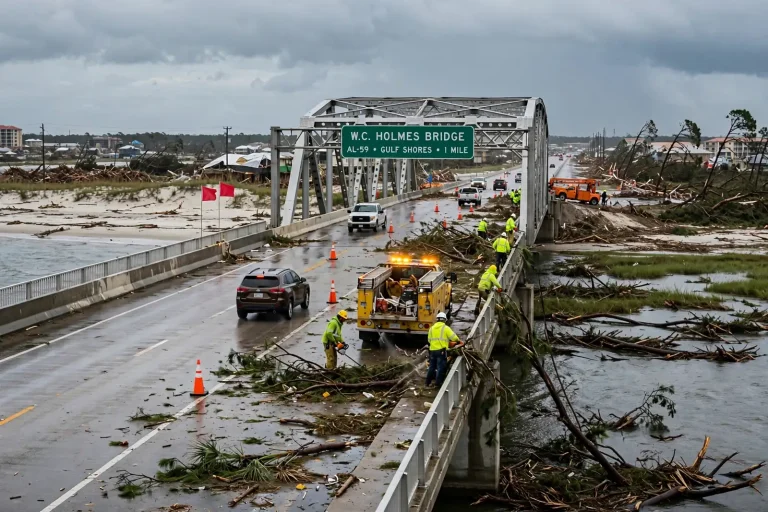
Hurricane Isaias made landfall near Destin, Florida, on the night of Friday, Oct. 9, as a Category 2 hurricane and swept north across south Alabama. Gov. Kay Ivey had declared a state of emergency for 40 counties last week as the storm approached. At the peak, more than 300,000 Alabama utility customers lost power, and several communities, including Brewton, were still dealing with outages and blocked roads days later.
For many people, that disruption collided with the October deadline. Individuals who filed for an extension in April have until Oct. 15 to submit their returns, and many rely on tax preparers, home offices, computers and paper records that may have been damaged, displaced or knocked offline by the storm. Small business owners juggling cleanup, insurance claims and lost revenue may also struggle to keep up with sales tax, withholding and other recurring filings.
How state penalty relief works
ALDOR is the state agency responsible for administering and collecting most Alabama taxes, including income, sales and use, business privilege and withholding taxes. Under state law, the department can waive certain penalties when a taxpayer shows reasonable cause for filing late. Natural disasters that damage homes, businesses or records are a common example of circumstances that may qualify.
Because the department is handling Isaias requests case by case, taxpayers should be ready to explain how the storm affected their ability to file. Useful information may include:
- The address of the affected home or business and the county where it is located.
- A description of the damage or disruption, such as a power outage, displacement, destroyed records or closure of a preparer’s office.
- The tax type, tax period and any account numbers involved.
- Photos, insurance claim numbers or other documentation of the damage, if available.
What about federal taxes?
The state announcement applies to Alabama taxes administered by ALDOR. Federal tax relief is handled separately by the Internal Revenue Service. After major disasters, the IRS often postpones filing and payment deadlines for taxpayers in areas covered by a federal disaster declaration, and those postponements typically apply automatically to people whose address of record is in a covered county. Taxpayers should check IRS.gov for any announcement related to Isaias before assuming federal deadlines have moved, and those who are not covered by a postponement should file by Oct. 15 or contact the IRS about their situation.
Tips for taxpayers after the storm
- File if you can. If your records and access are intact, filing on time avoids the need to request relief.
- Call early. If you know you cannot meet a deadline because of Isaias, contact the appropriate ALDOR office as soon as possible.
- Keep notes. Write down the date of your call and the name of the person you spoke with.
- Replace lost records. Copies of prior returns and transcripts can often be requested from ALDOR and the IRS, and banks and employers can reissue statements and wage forms.
- Talk to your preparer. Tax professionals who were affected by the storm may also qualify for relief, which could affect their clients’ filings.
- Watch for scams. Fraudsters often target disaster victims with calls or texts claiming to be from tax agencies. ALDOR and the IRS will not demand immediate payment by gift card or wire transfer.