Alabama State Government Bay Minette
Alabama DHR Childcare Subsidy Cuts Leave Families and Daycares Scrambling in South Alabama
Lower income limits, a narrower special needs definition and a waiting list have pushed families off Alabama’s DHR childcare subsidy, squeezing parents and daycare providers in Mobile and Baldwin counties.
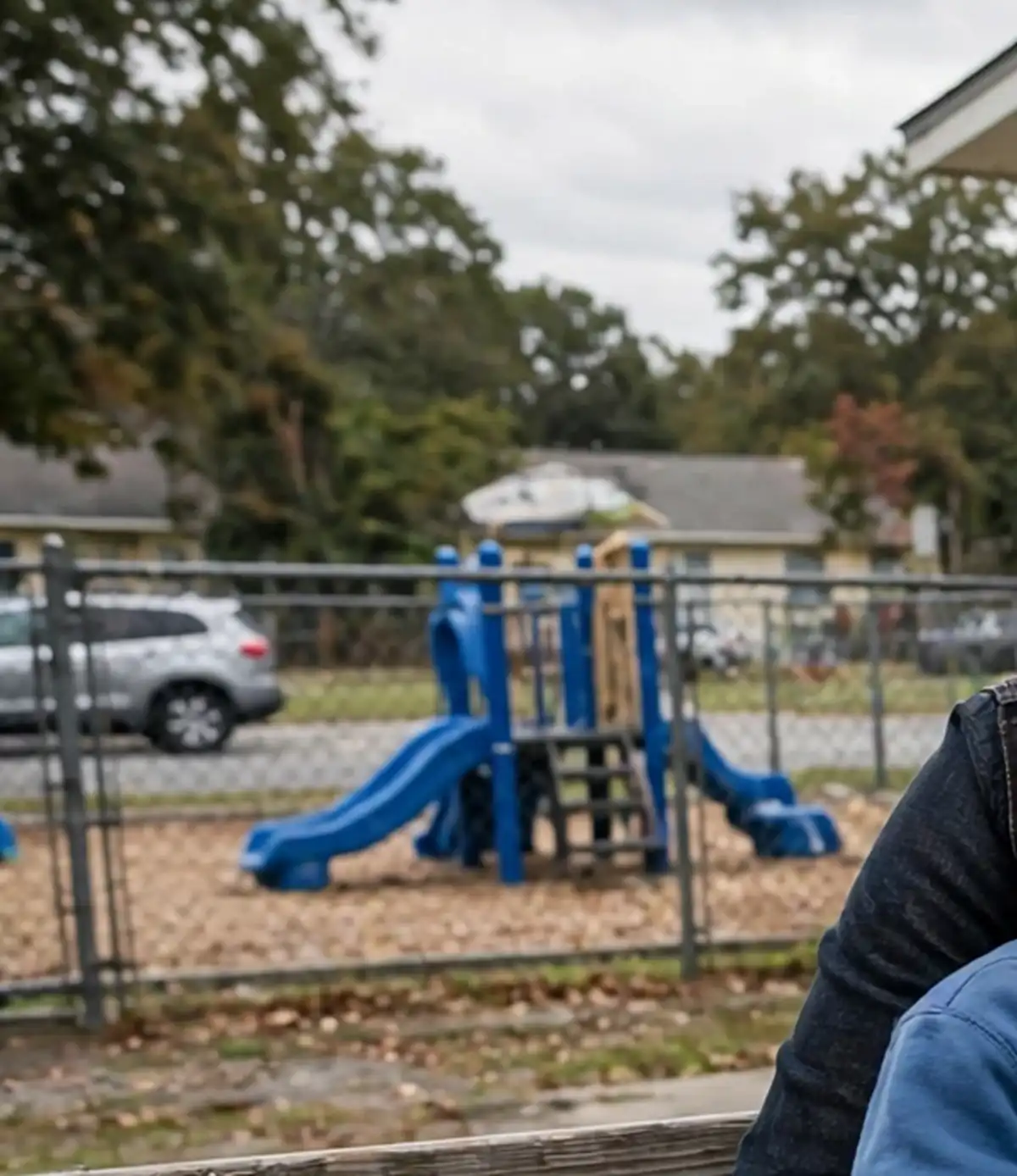
MOBILE, Ala. — Quiet changes to Alabama’s childcare subsidy program are pushing working parents off the rolls and leaving daycare owners in Mobile and Baldwin counties cutting hours, trimming staff and, in some cases, weighing whether they can stay open. The Alabama Department of Human Resources says it had to rein in spending to keep the program solvent, but parents and providers say the changes arrived with little warning and even less explanation.
For Baldwin County mother Aleasha McCovery, the program has been a lifeline since her first son was born in 2021. The subsidy covered most of the cost of daycare for her two boys, allowing her to hold down a steady job while they attended early education classes and learned the social skills they will need when they start school.
“I knew that I had child care from 6:30 a.m. until 5:40 p.m. Monday through Friday. That was like one less thing that I had to stress about, as far as working goes, and if I needed to get extra overtime or something like that, I could do that without worrying about somebody having to watch my baby.”
— Aleasha McCovery, Baldwin County parent
That changed in August. When McCovery submitted her annual renewal, she said a third-party organization that partners with DHR to review applications and send out payments told her she now earned too much to qualify — even though her income had not changed from the year before.
“I felt deceived because I’m working, I’m not job hopping,” she said. “I’m staying at one job consistently trying to improve my status at this company, and that still isn’t good enough. Like every time I think I’m getting ahead, I get knocked right back down.”
How the program works
Alabama’s Child Care Assistance subsidy program helps low-income working families pay for daycare for young children. It is funded largely through the federal Child Care and Development Fund, which the U.S. Department of Health and Human Services’ Administration for Children and Families distributes to states. In Alabama, DHR serves as the lead agency, setting eligibility rules, paying providers and overseeing quality programs.
The federal government gives states considerable flexibility in how they run the program. Each state submits a multi-year plan to the Administration for Children and Families describing who qualifies, how providers are paid and how the state measures quality. Families generally must recertify each year.
As of January, the program was helping more than 29,000 Alabama children from birth to age 5 attend daycare. McCovery’s family is now among the thousands that have been removed.
What DHR changed
Public documents show DHR made at least two significant amendments this year to its 2025-2027 state plan, changes that in practice will reduce the number of families who can use the subsidy:
- Lower income limits: Eligibility dropped from between 180 and 200 percent of the federal poverty line in January — $59,400 to $66,000 for a family of four — to between 150 and 170 percent in June, or $49,500 to $59,400 for a family of four.
- A narrower definition of “special needs”: The revised definition could reduce the number of children considered to have special needs from roughly 500 to about 200.
Both amendments were submitted to the Administration for Children and Families, but as of Oct. 1 neither had been approved by the federal government or publicly disclosed. Program rules allow DHR to put the changes into effect while it awaits approval. The only notice the agency appears to have given was swapping out documents on its website, a step required under program guidelines. DHR has not said how many families are expected to lose eligibility under the new thresholds.
In May, DHR also issued a memo stating that families applying after May 8 would be placed on a waiting list and approved on a first-come basis, with priority for certain groups, including children in foster care, those receiving protective services and those in DHR’s Early Head Start program. As of September, 2,748 families were on the waiting list. A spokesperson said the agency does not track how many families who previously received the subsidy have been removed since May.
DHR: ‘No one was kicked off’
In a written statement, DHR said it is implementing cost-saving measures so the program can continue serving at least some children. The agency did not answer questions about the nature of those measures and denied removing families who qualify, saying the application has “not changed.”
“DHR determined there was not sufficient funding to maintain service levels through the end of the fiscal year; therefore, reductions in spending had to be implemented. No one was ‘kicked off’ the program. Recertification is based on eligibility requirements and some families did not meet those requirements.”
— DHR spokesperson
A spokesperson said the agency is reviewing its finances now that the new fiscal year has begun Oct. 1. “We are analyzing our financial situation in Child Care to see if and how many families can transition off the waitlist,” they said. DHR did not say whether it intends to withdraw its pending plan amendments.
The agency also said federal support has not dropped. “Federal funding has remained fairly consistent,” the spokesperson said. “DHR always requests any available reallotted federal funds. Also, DHR requests additional state funding to support child care services.”
Britt calls explanation ‘inadequate’
U.S. Sen. Katie Britt, whose office has been in contact with DHR and Gov. Kay Ivey’s office after several childcare providers asked for help, said she is not satisfied with the agency’s answers.
“I have been a staunch advocate for helping Alabama families access affordable childcare, and it has been one of my top priorities in the Senate. Unfortunately, I have been disappointed at the way Alabama DHR has approached our nation’s childcare crisis: by making it harder for our families to qualify for childcare assistance and forcing the attrition of special needs children by changing the State’s definition. The answers my team and I have received thus far from Alabama DHR — namely a lack of funding — are inadequate, as I’ve learned Alabama’s Child Care and Development Fund allocation has increased.”
— U.S. Sen. Katie Britt
The federal backdrop
The changes come amid shifting policy in Washington. On Jan. 5, 2026, HHS announced it would allow states to base childcare subsidy payments on attendance rather than enrollment. Around the same time, the federal agency froze funding for several programs, including the childcare subsidy, in five states — California, Colorado, Illinois, Minnesota and New York — citing alleged fraud and misuse of government funds.
At the time, DHR officials said they were unsure how the HHS announcement would affect Alabama families or providers.
Providers feel the squeeze
Daycare owners across Mobile and Baldwin counties said they were largely kept in the dark about the extent of the cuts and have watched enrollment dwindle since they took effect. Providers reported losing anywhere from a few subsidized children to more than a dozen.
“We’re going through a funding crisis right now,” said Tejuania Nelson, owner of Light House Academy Daycare. “Right now I’ve got to scale back hours for my teachers.”
Nelson operates five facilities in the two counties and said at least one could close within the next year. Her Bay Minette location, which can serve 80 children, has lost 13 families since May. At other sites she has cut resources, staff and operating hours to absorb the losses.
Mobile daycare owner and advocate Teresa Lewis described the situation bluntly. “With the recent changes, it’s making it extremely hard for childcare providers to get additional funding that’s needed to be able to pay all of our expenses to stay functional,” she said. “I call it a subsidy crisis because it’s just not working out in the favor of the families or in favor of the child care providers at all.”
Quality STARS payments held
Providers say a second financial blow has come through Alabama Quality STARS, the DHR program that rates childcare centers and rewards those that invest in higher standards.
Johnnie Frost, a Baldwin County daycare owner, said providers learned during a series of DHR trainings that their incentive payments had been held.
“We have to participate in Quality STARS, and we invest heavily into having these higher star ratings. There is a lot of investment up front to get that. We get those incentive payments every calendar year based off of when our stars assessment was done. All of a sudden, we realized that funding hadn’t come. So now we don’t have that subsidy. We’re down on enrollment, and now the money that is due to us is also not coming in.”
— Johnnie Frost, Baldwin County daycare owner
Autumn Zellner, a Fairhope provider, said STARS payments have helped centers upgrade facilities and improve curriculum, and the ratings let parents see which daycares have earned a star from DHR. Lewis and Frost said DHR representatives declined to explain the eligibility changes during a summer training meeting.
Lewis and Zellner said DHR officials Bernard Houston and Candice Keller attended a childcare provider meeting in late September but declined to speak when asked about the funding changes. “The meeting was a chance for all these providers who are scared, who are trying to figure out what to do next,” Zellner said. “They just found out they’re probably not getting any money for their STARS assessment … Of course, the leadership of the meeting knew who they were, acknowledged them, and invited them to participate, which they refused.”
Families picking up the tab
Since her youngest son, Kayson, lost his subsidy, McCovery has relied on her mother to watch him while she works during the day and attends school some nights. She worries he is missing out on the learning and interaction that daycare provided.
“He doesn’t get any type of interaction, and I try to squeeze in little learning things with him throughout the day,” she said. “My schedule with them is very limited, but I try to just keep him up with his milestones so that he doesn’t fall too far behind. I just don’t want him to fall behind or not be able to interact with other children.”
Marketrius Cannon, a Mobile mother whose 5-year-old was removed from the program in August, said she was dropped after submitting her renewal documents and being told her paperwork was not viewable. She was told she could reapply but would be placed on the waiting list. She is now paying at least $320 a month out of pocket. “It’s a huge strain,” she said. “It’s making my budget tight because it’s $320 a month in just childcare that I wasn’t paying.”
A ripple effect on the workforce
Nelson warned that the effects will not stop at daycare doors. When childcare becomes unaffordable, some parents must choose between staying home and going to work — a decision that affects employers as well as families.
“It’s also going to affect the workforce because this trickles down,” she said. “You’re just not going to have childcare centers closing. We already have parents that can’t work because they can’t even afford it. I had about 12 parents starting in August that were (taken) off this program. They said, ‘Okay, we’re just going to pay to bring the kid.’ They couldn’t even pay that rate for two weeks.”
What families should know
Parents who have lost the subsidy or are on the waiting list can contact their county DHR office or the agency’s childcare subsidy partner to confirm their status, ask how their eligibility was determined and learn how to reapply. Keeping copies of every document submitted, and the dates, can help, since waitlist approvals are first-come.
What happens next depends largely on DHR’s review of its finances for the new fiscal year and on whether federal regulators approve the pending plan amendments. For now, parents and providers across south Alabama are waiting for answers.