

SUMMERDALE, Ala. — Six decades ago, Alabama sheriffs confronted a problem that no jail cell could fix: children in foster care who needed a safe, stable place to grow up. That concern gave rise to the Alabama Sheriffs Youth Ranches, and as the organization marks its 60th year, its Baldwin County campus in Summerdale is still offering boys a second chance — under the leadership of a man who once lived there as a child himself.
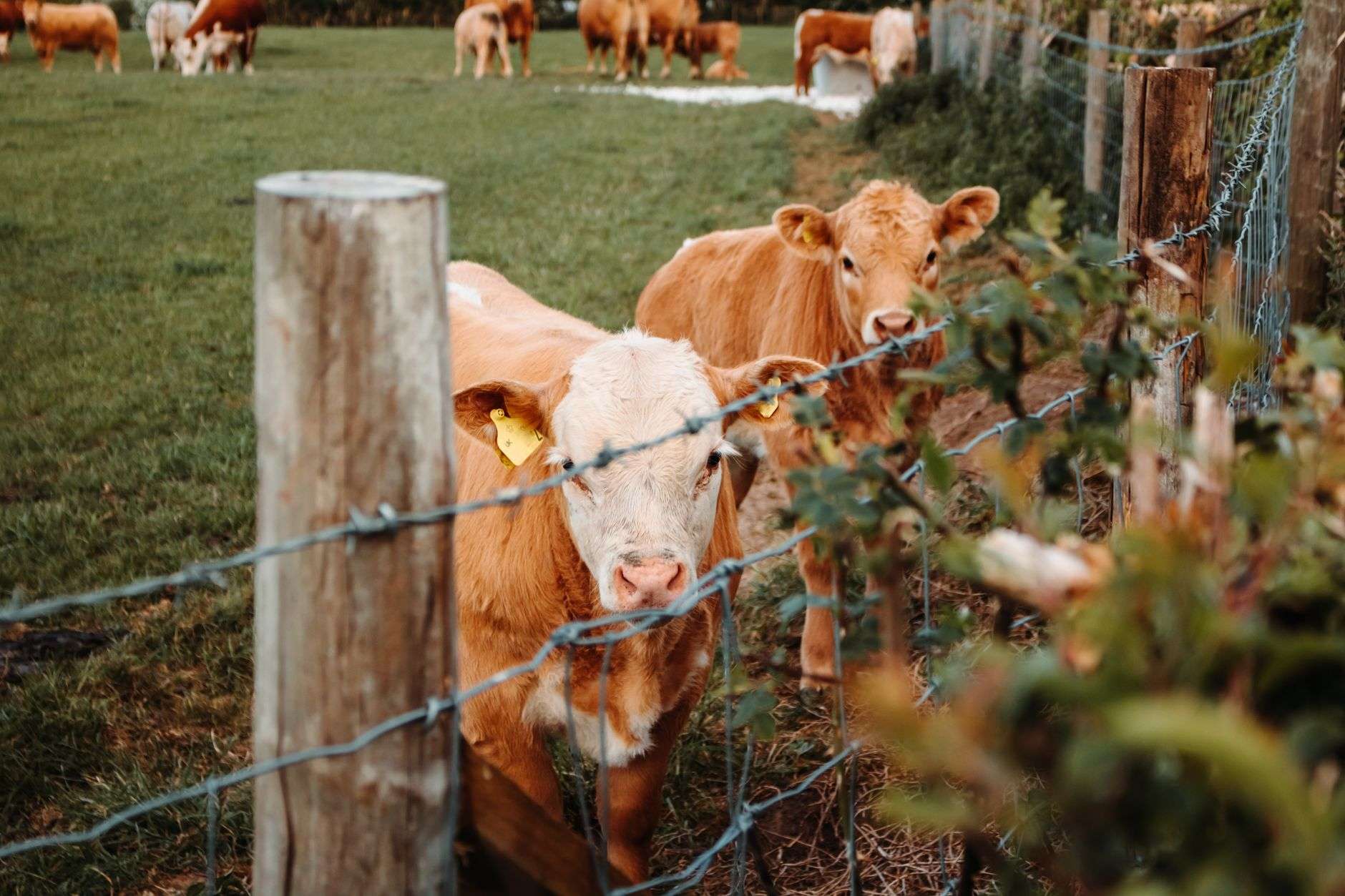
The ranch sits in a rural stretch of central Baldwin County, and during school hours it is quiet. After 3 p.m., the grounds come to life as the 24 young residents return home and turn to their daily chores, woodworking projects and caring for the ranch’s cattle. Up to 10 boys live in each cottage with house parents, forming the kind of steady family structure that many of them have never had.
A director who knows the ranch from the inside
For Baldwin County Sheriff’s Boys Ranch Director Steven Jones, the ranch’s mission is personal. Jones came to the ranch as a boy, arriving when he was in the eighth grade, and stayed on through his college years. He later spent about a decade working in management before returning to lead the ranch that raised him. He married his high school sweetheart, and the couple has four children.
Jones has said his path could easily have gone another way, and he points to his own family to explain why.
“I have a brother; we are a year apart in age. I came here — he didn’t. He’s no longer with us,” Jones said. “One decision, one time somebody taking a chance on you can make all the difference.”
Jones has described himself as “a living product of this organization.” Before returning as director, he also worked for the sheriff.
‘Victims of circumstances’
Baldwin County Sheriff Anthony Lowery said the stability and care the ranch provides are essential for the boys who come to Summerdale, most of whom arrive through no fault of their own.
“They’re all victims of circumstances … where their parents or grandparents couldn’t provide the needs that they have growing up,” Lowery said. “The director of this ranch was once one of the children that were placed here.”
The Baldwin County Sheriff’s Office supports the ranch through a support group and holds annual fundraisers for it through the BCSO Foundation. The ranch is one of the branches of the statewide Alabama Sheriffs Youth Ranches system.
Sixty years of the sheriffs’ ranches
The Alabama Sheriffs Youth Ranches were established in 1966 as a nonprofit organization, sponsored by the Alabama Sheriffs Association and headquartered in Montgomery. Former Houston County Sheriff A.B. Clark is credited with playing a key role in starting the youth ranches in Alabama.
The organization’s stated mission is to “provide Christian, family-style residential homes for Alabama’s at-risk children and youth in an atmosphere where they may grow spiritually and physically into productive, responsible, and happy adults.” In Baldwin County, the ranch serves boys who have been abused, neglected or abandoned. The organization says it has served thousands of young people across Alabama since it began.
Today the system operates four ranches:
- Baldwin County Boys Ranch, in Summerdale
- St. Clair County Boys Ranch
- FAME Colbert County Girls Ranch
- Tallapoosa Girls Ranch
Across those campuses, the organization serves children roughly ages 9 to 17 and, as of late 2025, cared for 68 foster children statewide. Residents live in a structured environment with house parents, and the program emphasizes education, responsibility and faith, with children taking part in the daily work of running the ranches. Supporters in the Wiregrass have also begun discussing a possible new ranch in Houston County, where a steering committee has been working to identify land and raise donations.
The cost of care and the role of the community
Like other residential programs that care for children in state custody, the ranch receives public money for each child placed there — but not nearly enough to cover the full cost. According to ranch officials, the Alabama Department of Human Resources pays about $56 a day per child, which covers only a fraction of what it actually costs to house, feed, clothe, educate and care for a growing boy.
The Department of Human Resources oversees Alabama’s foster care system, and when children cannot remain safely at home, the agency places them with foster families, relatives or residential providers like the sheriffs’ ranches. The ranches are nonprofits and depend on donations, volunteers and fundraising events — including golf tournaments and a bass fishing tournament — to close the gap between what the state pays and what the care requires.
A $400,000 match for a fourth cottage
The Summerdale ranch’s biggest current project is a fourth cottage, designed as a transitional home to help older teenagers prepare for life as independent adults. The planned home is intended for young men ages 18 to 21 who are enrolled in college or working full time, giving them a bridge between the structure of ranch life and living on their own. The total cost of the project has been estimated at about $800,000.
Local businessman David Vosloh, who founded the Vosloh Charitable Foundation with his wife, Sue, is matching donations dollar-for-dollar up to $400,000 to build the cottage. That means every dollar given by the community, up to that cap, is effectively doubled.
Vosloh said he sees the ranch as a chance to change a child’s direction early.
“There’s nothing better for an organization to do than to try and find and fix kids before they get off on a trail that will lead them into misery later in life,” Vosloh said. “It’s easier to fix a kid than it is to fix an adult.”
The ranch is still working to raise the matching money needed to secure the full $400,000 gift.
Why a transitional home matters
The transitional cottage is aimed at one of the most difficult moments for young people who grow up in foster care: turning 18. Many foster youth age out of care with no family to fall back on, and national child welfare research has long linked that transition to higher rates of homelessness, unemployment and incarceration. For boys who may have arrived at the ranch as young children, the prospect of leaving at 18 can feel abrupt.
A home where older residents can keep working, finish trade school or college and learn to manage a household — while staying connected to the people who raised them — is meant to soften that cliff. For the ranch, it extends the same family-style model that has defined its work into the years when young adults are just starting out.
Reshaping futures, one child at a time
Sixty years after Alabama’s sheriffs founded their youth ranches, community leaders in Summerdale say the purpose has not changed: taking children whose lives have been upended and giving them a stable home, responsibilities, and people who believe in them. The chores, the cattle and the woodworking are part of that — so is the example of a director who once walked the same halls.
Those interested in supporting the Baldwin County Sheriff’s Boys Ranch or the transitional home campaign can learn more through the Alabama Sheriffs Youth Ranches at alabamasheriffsyouthranches.org or through the Baldwin County Sheriff’s Office.