DA Seeks No Bond for Mobile County Constable Albert McCreary in Rape Case, Calls Him ‘Extreme Flight Risk’
Mobile County prosecutors have asked a judge to hold Constable Albert McCreary without bond under Aniah's Law in his first-degree rape case, citing his federal gun plea and calling him an extreme flight risk.
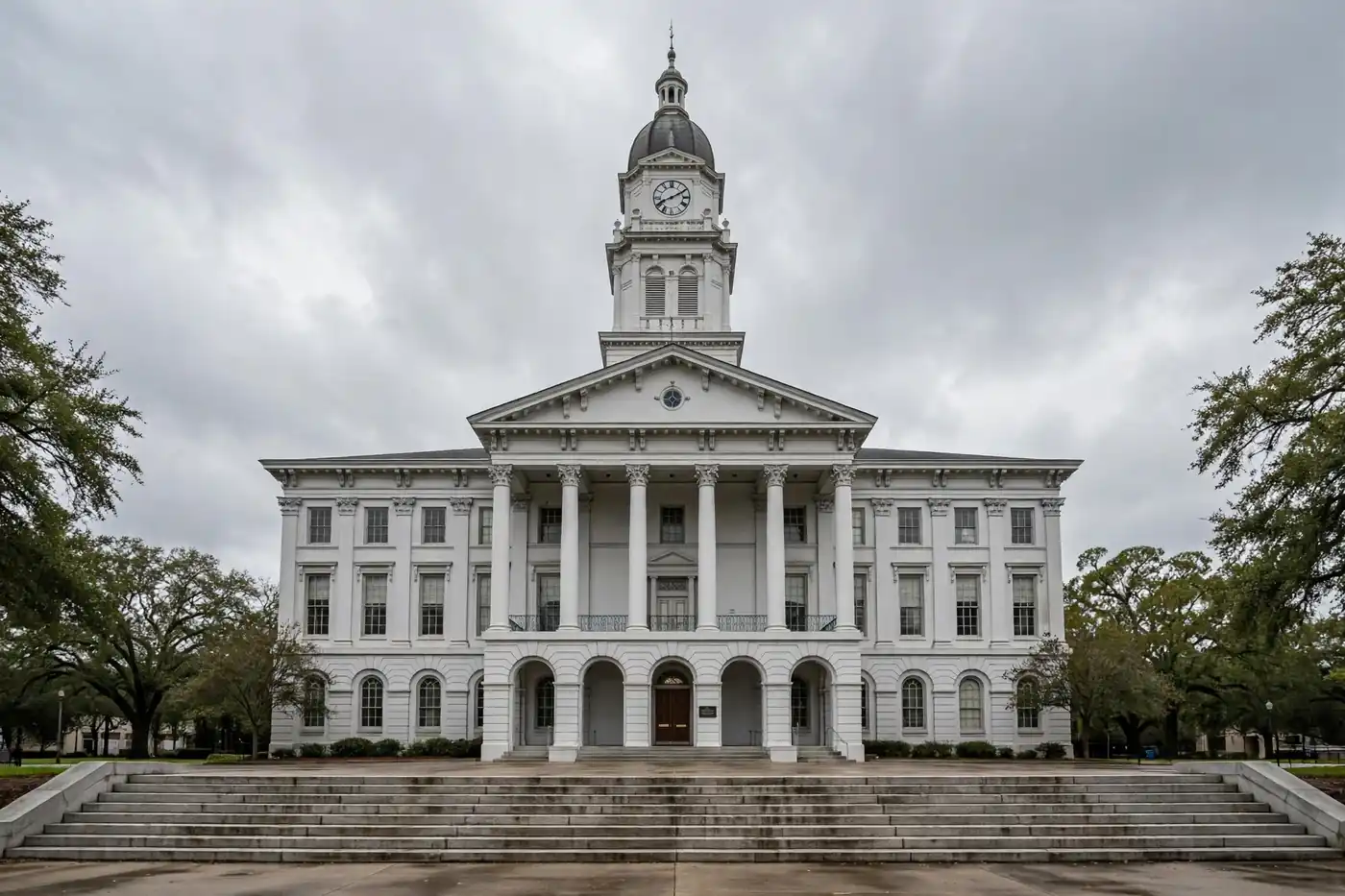
MOBILE, Ala. — Prosecutors want Mobile County Constable Albert McCreary held without bond on a state first-degree rape charge, arguing in a new court filing that his recent guilty plea to a federal gun charge and the long prison terms he could face make him an “extreme flight risk.”
The Mobile County District Attorney’s Office filed the motion Wednesday, Oct. 28, asking a state judge to deny McCreary bond under Aniah’s Law, the Alabama constitutional provision that allows judges to hold people accused of certain violent crimes without bail before trial. As an alternative, prosecutors asked the court to set release conditions strict enough to guarantee that he returns for future hearings.
The filing is a request, not a ruling. A judge must hold a hearing and consider the state’s arguments before deciding whether McCreary will be denied bond. McCreary is presumed innocent of all the state charges against him unless and until he is proven guilty in court.
Why prosecutors say McCreary might flee
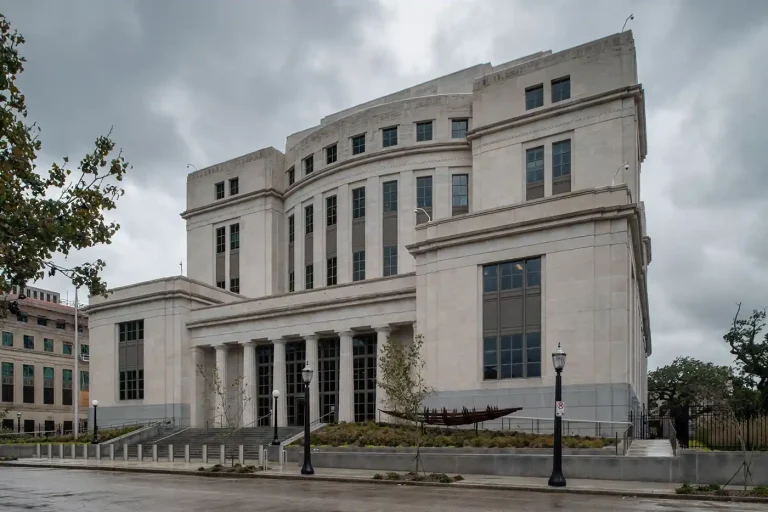
Assistant District Attorney Stuart Lang built the state’s argument largely around what happened in federal court the week before. On Oct. 23, McCreary pleaded guilty in the U.S. District Court for the Southern District of Alabama to possession of a firearm by a prohibited person. He faces up to 15 years in federal prison on that conviction.
The state rape charge carries even higher stakes. First-degree rape is a Class A felony in Alabama, the most serious category of felony short of capital offenses, and a conviction could bring a sentence of life in prison.
“The Defendant presents an extreme flight risk,” Lang wrote in the motion.
The argument marks a shift from how McCreary’s custody has been handled so far. When the federal court first ordered McCreary detained in the gun case, it relied in part on the pending state rape investigation and found that releasing him could pose a danger to the community. The federal court did not, however, find that he was a flight risk. Prosecutors in the state case now contend that his guilty plea, and the combined prison exposure he faces in both courts, changes that picture.
New details on the allegation
The motion also lays out more information about the accusation at the center of the state case than had previously been made public.
Prosecutors allege that on July 9, 2026, McCreary sexually assaulted a woman inside a municipal vehicle after presenting himself to her as “Detective Black” with the Prichard Police Department. According to the filing, the woman reported the alleged assault to the FBI on July 20.
Court records have previously shown that McCreary worked with the Prichard Police Department as a code enforcement officer. South AL News does not identify people who report being victims of sexual assault.
Federal agents and the Mobile County Sheriff’s Office arrested McCreary on July 28. Investigators who had a search warrant for his vehicle in connection with the rape investigation found a Glock .40-caliber handgun in the center console of his Chevrolet Tahoe, according to a federal complaint, which led to the federal firearm charge. Authorities said he was barred from having a gun because of a 2009 felony battery conviction in Escambia County, Florida.
The defense challenges the accuser’s account
The state’s request comes a few weeks after McCreary’s federal defense attorney questioned the credibility of the woman whose report led to the charges.
In an Oct. 8 filing in federal court, Assistant Federal Defender Fred Tiemann pointed to what he described as inconsistencies in the woman’s statements to investigators. He also cited text messages and phone records that the defense argues raise doubts about her allegations. That filing asked the federal court to revisit McCreary’s detention.
Those are arguments by the defense, and no court has ruled on whether the woman’s account is credible. The rape case has not gone to trial, and questions about the evidence would ultimately be decided in state court.
What Aniah’s Law allows
Aniah’s Law is named for Aniah Blanchard, a 19-year-old college student who was abducted in Auburn in October 2019 and killed. The man charged in her death had been free on bond while facing other violent felony charges, and her family pushed for a change in how Alabama handles bail for people accused of serious violent crimes.
The Alabama Legislature approved the proposal, and voters ratified it as a constitutional amendment in November 2022. Before the change, the Alabama Constitution guaranteed bail in nearly all cases except capital offenses. Aniah’s Law expanded the list of offenses for which a judge may deny bail to include a set of violent felonies, among them first-degree rape, murder, first-degree kidnapping and first-degree robbery.
Denial of bond under Aniah’s Law is not automatic. Prosecutors must ask for it, and a judge must hold a hearing. At that hearing, the judge weighs the evidence and arguments from both sides and decides whether any combination of release conditions could reasonably ensure that the defendant shows up for court and that the public is protected. If the judge finds conditions would be enough, the defendant can be released on bond with those conditions.
In McCreary’s case, prosecutors have asked for both possibilities: no bond at all, or, if the judge disagrees, conditions strong enough to make sure he appears for future court proceedings.
A long list of state charges
The rape charge is only one part of McCreary’s state case. He also faces charges including sexual abuse, insurance fraud, possession of a forged instrument and perjury.
The fraud, forgery and perjury charges stem from allegations that McCreary used a false residential address on official documents connected to taking office as constable. Prosecutors have alleged he lived in Baldwin County while serving as a constable in Mobile County, an elected office that carries residency requirements.
Separately, the district attorney’s office is pursuing a court action to remove McCreary from office. In Alabama, constables are elected officials with limited law enforcement authority whose duties commonly include serving civil papers such as summonses and subpoenas. Because the post is an elected one, removing a constable before the end of a term requires a formal legal proceeding.
Where the federal case stands
McCreary’s federal guilty plea was a blind plea, meaning he admitted the charge without any agreement with federal prosecutors about a recommended sentence. That leaves the sentence up to the judge, within the limits set by law and guided by federal sentencing guidelines.
Sentencing in the federal case is scheduled for Jan. 25, 2027. Before that hearing, a federal probation officer is expected to prepare a presentence investigation report reviewing his background and criminal history, which both sides can challenge.
The federal and state cases are separate prosecutions brought by different governments under different laws. The outcome of one does not resolve the other.
What happens next
The next step in the state case is a hearing on the district attorney’s motion. At that hearing, McCreary’s lawyers can respond to the state’s flight-risk argument and present their own case for release. The judge will then decide whether to deny bond under Aniah’s Law, set bond with conditions, or take some other approach.
Key dates and developments to watch include:
- A state court hearing on the motion to hold McCreary without bond, which had not been publicly scheduled as of the filing.
- Further proceedings on the rape, sexual abuse, perjury, forgery and insurance fraud charges in Mobile County.
- The district attorney’s separate effort to remove McCreary from the constable’s office.
- Federal sentencing on the gun conviction, set for Jan. 25, 2027.
Timeline of the case
- 2009: McCreary is convicted of felony battery in Escambia County, Florida, according to federal authorities.
- July 9, 2026: Date of the alleged sexual assault, according to the state’s motion.
- July 20, 2026: The woman reports the alleged assault to the FBI, the motion says.
- July 28, 2026: McCreary is arrested; a handgun is found in his vehicle.
- Oct. 8, 2026: His federal defense attorney files a motion challenging the accuser’s credibility.
- Oct. 23, 2026: McCreary pleads guilty to the federal gun charge.
- Oct. 28, 2026: The district attorney’s office asks a state judge to deny him bond.
- Jan. 25, 2027: Federal sentencing hearing.
South AL News has followed the McCreary case since his arrest, including his indictment on the federal gun charge, the state rape and perjury charges, and the district attorney’s effort to remove him from office. This story will be updated when a judge rules on the bond request.