

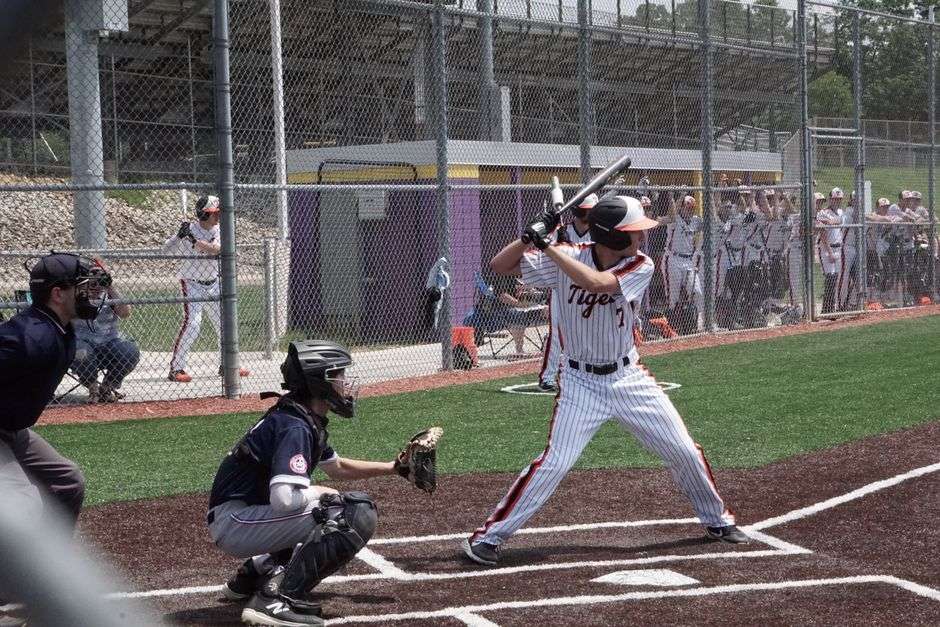
High school baseball teams across the Mobile County area are back in postseason action this weekend as the Alabama High School Athletic Association playoffs move into the second round for Classes 1A through 6A, while Class 7A programs open their own playoff run with first-round series. Nine teams from the coverage area advanced out of first-round play last week, keeping their hopes alive for a run at a state championship. The weekend marks the point in the spring when casual interest gives way to bracket-watching, as fans across the county track scores from Baker, Satsuma, Mobile and beyond to see which local clubs stay alive.
Six of those nine clubs earned the right to host their second-round opponents this weekend, giving them the advantage of playing in front of a home crowd as the pressure ramps up in the best-of-three format the AHSAA uses for its baseball postseason. Hosting is more than a comfort factor: teams play on familiar mounds, know how their home outfield plays, and avoid hours of bus travel that can tax pitching staffs over a two-day series. Crowd support in a tight Game 2 or a decisive Game 3 has a way of tilting momentum in high school baseball, where rosters are built largely around players who have grown up playing together.
In Class 7A, four area teams are scheduled to open their playoff series this week, with two of those matchups set to be played on the home field of the local squad. The 7A bracket, which features the state’s largest schools, kicks off its postseason later than the other classifications, meaning this weekend marks the first true test of the spring for those programs. The later start reflects the structure of the AHSAA calendar, in which larger classifications play more regular-season region games before the bracket is set.
How the AHSAA Baseball Playoffs Work
Advancing in the AHSAA playoffs requires winning two of three games in a series, so home-field advantage can play a significant role over the course of a weekend that often includes games on back-to-back, or even the same, days. A typical series opens with a doubleheader, and if the teams split, a decisive third game follows either that evening or the next day. That format rewards depth, because a team forced to a Game 3 must find credible arms for a third outing in roughly 24 hours — a tall order for any high school staff.
Area tournament results and region records determine both who qualifies for the postseason and who hosts. Under the AHSAA’s format, the top teams in each area advance, and seeds are sorted by region finish, which is why regular-season games in March and early April carry postseason consequences. A team that wins its area generally secures home field for at least the opening rounds, a prize that Mobile County coaches emphasize to their players from the first week of practice.
The best-of-three structure also changes in-game strategy. Pitch counts — governed by AHSAA rules that limit the number of pitches a high school pitcher can throw in a day and mandate rest periods afterward — force coaches to plan series as much as games. A manager holding a slim lead in Game 1 must decide whether to spend his ace and compromise his depth for the rest of the weekend, a calculation that does not exist in single-elimination formats.
What Separates Teams in May
Coaches across the area have pointed to pitching depth and situational hitting as the difference-makers in close series, both of which tend to matter even more once the bracket narrows. The teams still playing this time of year are usually the ones with three or four trustworthy arms and lineups that can move runners over, execute two-strike approaches and score without needing a big inning. Defense, too, becomes magnified: every error in a short series extends innings and drives up pitch counts, and second-round opponents are efficient enough to make those mistakes costly.
The regional talent base helps explain why Mobile County regularly sends deep runs into the state bracket. The area’s youth leagues and travel ball circuits produce players who have faced high-level competition since childhood, and many of the county’s programs benefit from strong feeder systems at the middle school level. Several local players each year go on to sign with junior colleges, South Alabama and other four-year programs, giving the postseason an extra layer of stakes for seniors playing for scholarship futures.
The Road to a State Title
Teams that come through this round successfully will move on toward the state semifinals, which are typically played in early May, with championship series held later in the month at regional ballparks around the state. The AHSAA has hosted its baseball finals at neutral sites so that fans from both ends of the state can attend, and the championship atmosphere — with programs staying overnight, playing before crowds larger than any they see in the regular season — is the experience every team in the bracket is chasing. For programs that have never reached the finals, the semifinal round is often the milestone that defines a season regardless of the final result.
The path through the bracket is unforgiving by design. From here on, every round eliminates half the field, and there are no second chances: a team that loses a series goes home. By the time the semifinals arrive, the survivors have typically won eight or nine playoff games over a month, survived at least one elimination game, and managed a pitching staff through more than 20 games since the season began in February.
Weather is a perennial variable in Alabama’s postseason. Spring storms regularly push back series start times and force teams to compress doubleheaders into single days or shift games to opponent venues with better field conditions. Coaches build flexibility into their pitching plans for exactly this reason, and fans following scores over a playoff weekend often see results trickle in late into the night as games are delayed and resumed.
What It Means for the Local Programs
Nine area teams surviving the first round is a strong showing for Mobile County baseball, and the concentration of home series this weekend gives local fans rare access to meaningful late-April baseball. Admission gate revenue from playoff games also flows back into program budgets, helping cover travel, equipment and field maintenance costs that regular-season games alone rarely fund. Athletic directors across the county note that deep playoff runs pay dividends beyond the box score, energizing youth league players who fill the bleachers and imagine themselves in the same uniforms a few years later.
For seniors, every additional series extends a high school career that most thought had a fixed ending date. Underclassmen, meanwhile, gain the kind of postseason experience that cannot be simulated in practice — the nerves of a Game 3, the pressure of a close late inning, the discipline required to prepare for a second game on the same day. Programs that make repeated playoff appearances often point to those accumulated reps as the reason their younger players arrive ready when it is their turn to lead.
Community support shapes these weekends as well. Booster clubs and parents coordinate concessions, field preparation and travel logistics, and local businesses frequently sponsor playoff apparel or signs at the ballpark. In neighborhoods across Mobile County, the sound of a Saturday afternoon playoff crowd is one of the reliable markers of the spring season, and the weekends ahead offer several more chances to hear it.
Looking Ahead
With the second round underway in Classes 1A through 6A and the 7A first round opening alongside it, the next few weekends will steadily cut the field down. Each round brings tougher pitching, sharper defense and smaller margins, and the county’s remaining teams will need both their best arms and their steadiest at-bats to keep advancing. Fans looking to follow along can expect continued local coverage as brackets tighten and area teams look to keep their seasons alive.
The AHSAA typically releases updated brackets and game times as each round concludes, and series dates can shift with weather. For the nine area teams still standing, the goal this weekend is simple: win two games, shake hands at the mound, and get back to work on Monday knowing that the road to Montgomery — and a state championship trophy — runs through at least two more rounds of Alabama high school baseball.
A Baseball Region With Deep Roots
Baseball in the Mobile area carries a history few regions can match. The city that produced Hank Aaron and has hosted the Suites at the Hank and generations of amateur baseball remains one of the sport’s fertile grounds in the Southeast, and that lineage filters down into the high school game. Summer leagues, American Legion teams and travel programs keep many of the county’s best players on the field nearly year-round, and scouts from colleges and professional organizations are regular fixtures at playoff games each spring.
That depth shows up in the postseason bracket every year. Mobile County public schools and private programs alike have made state finals appearances over the past two decades, and several area coaches have won hundreds of games while sending players into college and professional baseball. The county’s programs also benefit from solid facilities — fields that host youth leagues in the summer and varsity teams in the spring — which keeps operating costs manageable and gives younger players a familiar environment as they move up.
For the communities surrounding the ballparks, playoff baseball is a social event as much as a competition. Families bring lawn chairs to games behind the outfield fence, former players return to watch, and rival fan bases that spent region play trading barbs often find themselves pulling for the same area team once the bracket moves out of the county. That dynamic is part of what makes a nine-team showing in the second round a genuinely county-wide story rather than a collection of separate ones.
The Weeks Ahead
As the rounds advance, expect the state’s attention to narrow toward the handful of programs still playing in each classification. The AHSAA’s semifinal and finals structure means area teams could face opponents from the Tennessee Valley, the Birmingham metro or the Wiregrass — matchups that rarely, if ever, occur in the regular season. Those long trips become part of postseason lore for the teams that make them, and for the schools’ communities that follow the buses.
Whatever happens over the coming weekends, this postseason has already delivered what local baseball followers hope for each April: a crowded bracket, a batch of home series and a county still represented in every classification’s chase for a state title. The remaining games will decide which of the nine carry that banner into May.