Bayley Conkin, 26, of Los Angeles Admits Phoning Violent Threats to Woman Working at Mobile FBI Office
A 26-year-old Los Angeles man pleaded guilty Tuesday to threatening a civilian employee of the FBI's Mobile field office during a string of calls, admitting he said he would follow her home and kill her. Sentencing is set for Feb. 22.
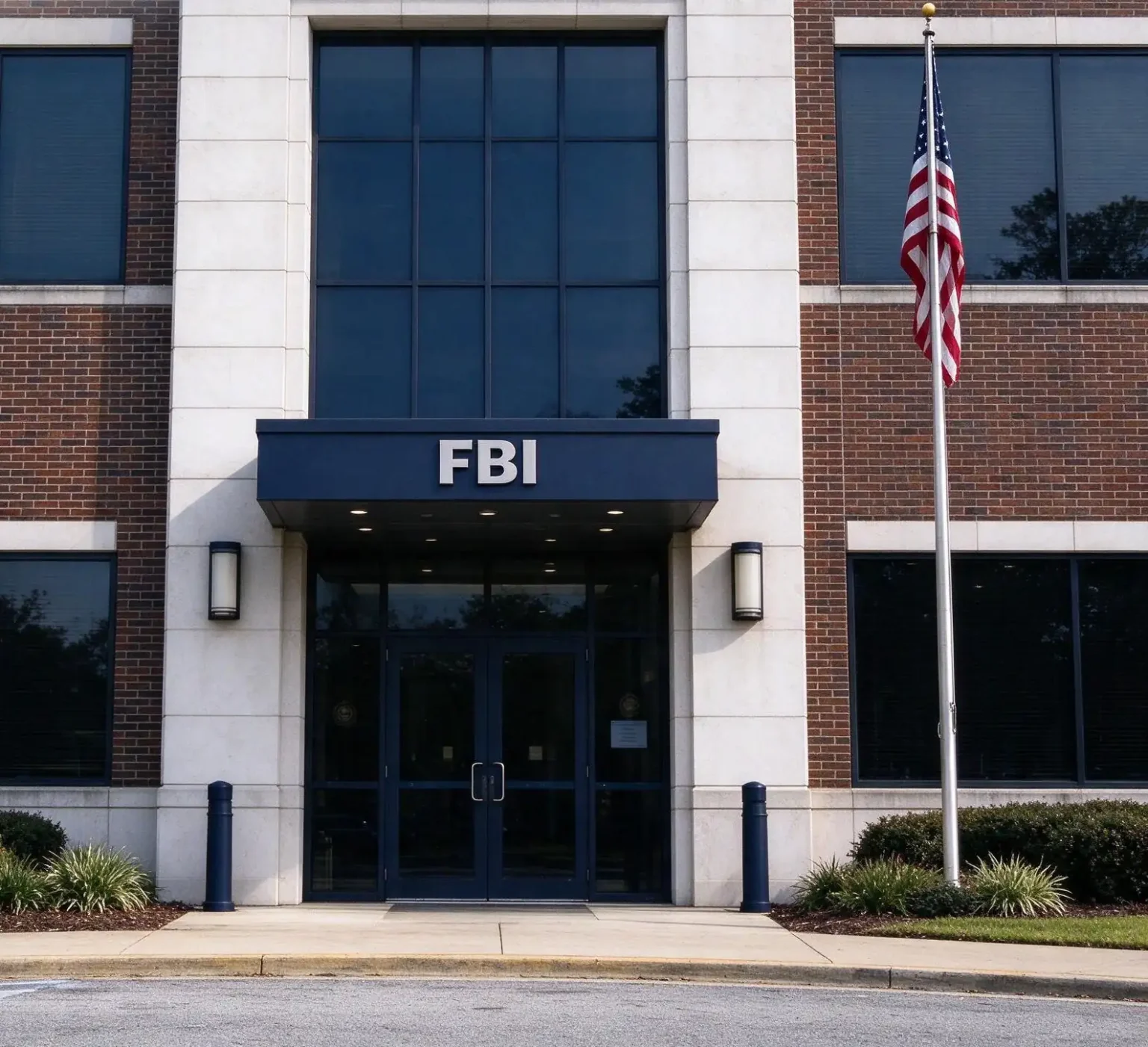
MOBILE, Ala. — A Los Angeles man who repeatedly called the FBI’s field office in Mobile admitted Tuesday, Nov. 17, that he used those calls to threaten a civilian woman who works there, telling her he would track her to her home and kill her.
Bayley Nathanial Conkin, 26, entered a guilty plea in the case. A judge set Feb. 22 as the date for sentencing. The maximum penalty is five years in prison, though prosecutors agreed as part of the deal to recommend a more lenient sentence in return for his plea.
What Conkin Admitted
The written plea agreement lays out a pattern of calls in which Conkin directed graphic, profanity-filled threats at the Mobile employee. Among the admissions:
- He told the woman he would follow her home, decapitate her and shoot her.
- On one call he said he would rip off the back of her head, and when she asked whether he was threatening her, he plainly confirmed that he was.
- On another call he told her that her throat was about to be slashed.
- In a separate call, he warned her that a large militia was coming after her and asked whether she understood what he was telling her.
- He also told the employee he intended to follow one of the office’s workers home and behead that person.
The plea documents quote many of his statements, which were laced with obscenities. The woman is a civilian employee, not an agent, and has not been publicly identified.
Calls to Offices Across the Country
Mobile was not the only target. The plea agreement says Conkin started placing comparable calls to FBI offices nationwide in late February 2025. By late spring 2025, he had switched to a different cellphone number, the agreement says.
The documents do not indicate that he ever traveled to Mobile or attempted to carry out any of the threats. Under federal law, however, a threat does not have to be acted on to be a crime. The offense is complete when the threatening message is communicated.
What Happens Next
Conkin’s sentencing is set for Feb. 22. Before that hearing, a probation officer will typically prepare a presentence report that reviews his background and the details of the offense and calculates an advisory range under the federal sentencing guidelines.
The five-year figure is the statutory maximum, the most a judge could impose. Prosecutors’ agreement to recommend leniency does not bind the court, and the judge will decide the sentence after weighing the guidelines and other factors set by federal law, such as the seriousness of the conduct, the need to protect the public and Conkin’s personal history.
How Federal Law Treats Threats
Several federal statutes make threats a crime. One of the most commonly used prohibits sending threats to injure another person through interstate communications, such as a phone call placed from one state to someone in another. That offense carries a maximum penalty of five years in prison. Other laws specifically protect federal officials and employees, along with their families, from threats intended to intimidate them or interfere with their duties or to retaliate for their work.
The U.S. Supreme Court has held that so-called true threats, meaning serious expressions of intent to commit unlawful violence against a particular person, are not protected by the First Amendment. In a 2023 decision, the court said prosecutors must show that a defendant was at least reckless about the threatening nature of the statements, meaning he consciously disregarded a substantial risk that his words would be viewed as threatening violence.
A guilty plea resolves those questions without a trial. When a defendant pleads guilty, he admits the facts that make up the offense, typically in a written statement filed with the plea agreement, and gives up the right to have a jury decide his guilt.
Threats Against Public Servants
Threats aimed at government workers, including those at law enforcement agencies, have drawn growing concern in recent years. Civilian employees, who handle tasks such as answering phones, processing tips and supporting investigations, are often the first voices a caller reaches. Federal agencies treat threats against these employees as seriously as threats against agents, since they can cause real fear and disrupt the work of an office.
Phone lines at FBI field offices are open to the public so that people can report crimes and share information. Abusing those lines to harass or threaten staff can tie up resources meant for legitimate tips and emergencies.
About the FBI’s Mobile Field Office
The FBI’s Mobile field office is one of the bureau’s 55 field offices nationwide and is responsible for federal investigations across southern Alabama, with smaller resident agencies operating elsewhere in its territory. Its work ranges from violent crime and public corruption to cybercrime, fraud and national security cases.
How to Report a Threat
Anyone who receives a threat of violence, whether by phone, text, email or social media, is encouraged to take it seriously and report it. General guidance from law enforcement includes:
- Call 911 if you believe you or someone else is in immediate danger.
- Save the evidence. Keep voicemails, screenshots, call logs and messages, and write down the date, time and wording of any threat as soon as possible.
- Contact local police for threats made against you, your family or your workplace.
- Report federal crimes or threats to federal facilities to the FBI by phone at 1-800-CALL-FBI or online at tips.fbi.gov.
- Do not engage with a person making threats or attempt to confront them yourself.
Employers can also help by having a plan for handling threatening calls, including procedures for documenting them and notifying security or law enforcement.
Case at a Glance
- Defendant: Bayley Nathanial Conkin, 26, of Los Angeles
- Plea: Guilty, entered Tuesday, Nov. 17, 2026
- Target: A civilian woman employed at the FBI’s Mobile field office
- Time frame: Nationwide calls to FBI offices starting late in February 2025, with a switch to a new phone number in late spring 2025
- Maximum penalty: Five years in prison
- Plea terms: Prosecutors agreed to recommend leniency
- Sentencing: Feb. 22