Cooler Air Signals Start of Alabama’s Fall Hunting Seasons, With Baldwin Among Top Grounds
Alabama's fall hunting seasons are underway, with Baldwin, Escambia and Monroe counties ranking among the state's top deer hunting grounds, alongside a benefit fishing tournament in Stockton and racing news for Fairhope's Grant Enfinger.
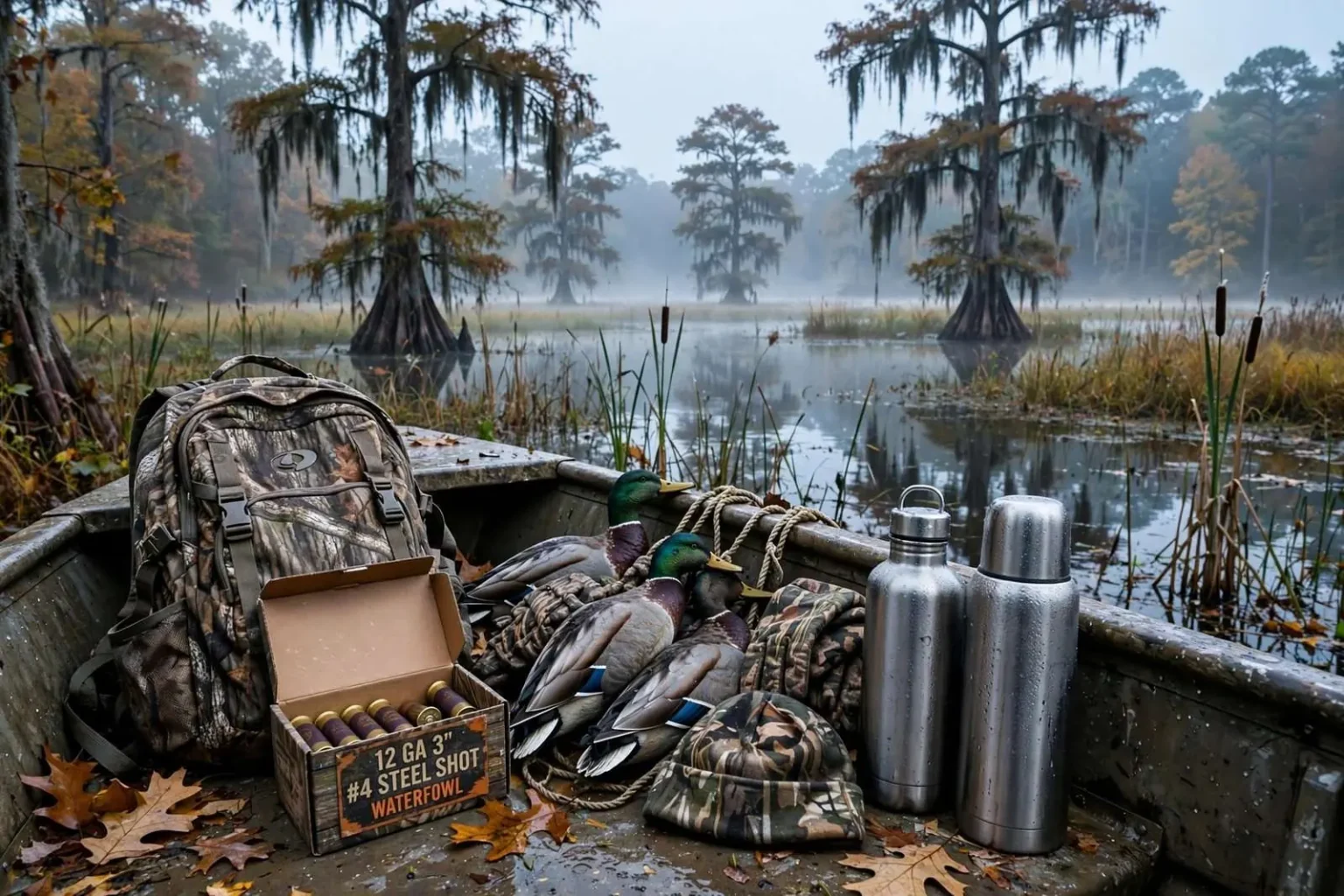
Cooler air across Alabama is signaling the start of the state’s fall hunting seasons, with archery and primitive weapon seasons already underway for several species and the broader gun seasons set to open in the coming weeks. Hunters across Mobile, Baldwin and the surrounding counties are preparing equipment, scouting leases and reviewing the regulations that govern this year’s seasons.
What Just Opened
Alabama’s archery season for white-tailed deer opened in mid-October in most counties, and the early primitive weapon season for deer began earlier in the month. Both seasons give hunters an opportunity to pursue deer before the broader gun season opens later in the fall, and they tend to attract hunters who prefer the quieter, less crowded woods that early seasons offer.
Dove season, which typically opens in early September, is already in its second split, and small-game seasons for squirrel and rabbit are running as well. Turkey season closed in the spring, and the next turkey season will not open until the following spring, but hunters interested in fall turkey opportunities can check the state’s regulations for the limited fall season that runs in some counties.
What’s Coming Up
The general gun season for white-tailed deer opens in late November in most Alabama counties and runs through early February. That season is the most popular of the year, drawing the largest number of hunters and producing the majority of the state’s annual deer harvest. The bag limit varies depending on the county and the type of weapon being used, and hunters are encouraged to review the regulations carefully before the season opens.
Wild hogs, which are an invasive species in Alabama and are not subject to the same bag limits as native game, can be hunted year-round on private land with the landowner’s permission. Hog hunting has become an increasingly popular activity in south Alabama, where the species has caused significant damage to agricultural and timber operations.
What Mobile and Baldwin Hunters Need to Know
Hunters in Mobile and Baldwin counties hunt on a mix of private land, leased timberland and a handful of public hunting areas operated by the Alabama Department of Conservation and Natural Resources. The public areas in south Alabama include the Mobile-Tensaw Delta, one of the largest and most ecologically significant wetland complexes in the country, which offers hunting opportunities for deer, waterfowl, small game and alligator.
Private land leases are the most common way that hunters in south Alabama access the best hunting grounds, and the cost of leases has risen in recent years as the sport has grown in popularity. Some leases are organized through hunting clubs, which pool members’ dues to pay landowners and to manage the property’s wildlife resources.
Waterfowl and the Coastal Seasons
South Alabama’s coastal location gives hunters access to some of the state’s best waterfowl hunting, particularly for ducks and geese. The state typically sets its waterfowl seasons in line with the frameworks established by the U.S. Fish and Wildlife Service, and the coastal zones often have the longest seasons and the highest bag limits.
The Mobile-Tensaw Delta and the coastal marshes around Dauphin Island, Gulf Shores and Orange Beach offer a mix of public and private waterfowl hunting opportunities. Hunters who pursue ducks and geese on the coast typically need a combination of a state hunting license, a state duck stamp and a federal duck stamp, and they are required to follow the federal regulations on lead shot and other equipment restrictions.
Safety and Regulations
Hunting safety is a recurring focus for the Alabama Department of Conservation and Natural Resources, which requires that young hunters complete a hunter education course before they can purchase a hunting license. The course covers firearm safety, hunting ethics, wildlife identification and the regulations that govern the various hunting seasons in the state.
Hunters heading into the field this fall are reminded to wear blaze orange during the gun seasons, to be aware of the location of other hunters and to follow the state’s regulations on baiting, hunting hours and the use of dogs. Violations of those regulations can result in fines, license suspensions and the loss of hunting privileges, and the state’s conservation officers enforce the regulations actively during the fall seasons.
Local Hunting Culture
Hunting is deeply embedded in the culture of south Alabama, where generations of families have hunted the region’s forests, fields and wetlands. The fall hunting seasons bring a rhythm to the year that is as familiar as the football season, and the opening days of gun season are events that hunters plan around for weeks in advance.
For visitors who want to experience Alabama’s hunting culture, several outfitters in south Alabama offer guided hunts for deer, turkey, alligator and waterfowl. Those operations typically include lodging, meals and the services of a licensed guide, and they give visitors a chance to hunt without having to secure their own lease or equipment.
How to Get Licensed
Hunters in Alabama can purchase annual hunting licenses through the Alabama Department of Conservation and Natural Resources, online through the state’s licensing system, or at one of the many retail vendors across the state that sell licenses and hunting supplies. The basic annual hunting license is required for residents and nonresidents alike, and additional permits and stamps are required for specific species and hunting methods.
For hunters who plan to pursue waterfowl, the license package typically includes the state hunting license, the state duck stamp and the federal duck stamp, which together fund the conservation programs that manage migratory bird populations. Hunters pursuing alligator in Alabama need a separate permit and are required to follow the state’s tagging and reporting requirements for harvested animals.
The Role of Conservation
Hunting license fees and the federal taxes paid on hunting equipment fund the bulk of state-level wildlife conservation work in Alabama. Those dollars support the Department of Conservation and Natural Resources’ wildlife biologists, who manage deer, turkey, waterfowl and small-game populations, and they also fund the acquisition and management of public hunting lands.
The conservation work that those dollars support is what makes Alabama’s hunting traditions sustainable across generations. Deer populations in particular are managed through a combination of hunting regulations and habitat work, and the state’s biologists use harvest data collected from hunters to track population trends and to adjust season structures and bag limits as needed.
What the Cool Weather Means for Wildlife
The cooler weather that signals the start of hunting season also affects the behavior of the wildlife that hunters pursue. Deer begin to move more predictably as the rut approaches, and the breeding season creates opportunities for hunters who understand how buck movement changes during the fall. Turkey flocks begin to coalesce as winter approaches, and waterfowl populations swell as migratory birds arrive from the north.
Hunters who pay attention to those patterns can plan their hunting around the times when their target species are most active, and the local hunting community shares that information through word of mouth, online forums and the state’s hunting reports. Wildlife biologists also publish updates on population trends and hunting conditions throughout the season.
What Comes Next on the Calendar
Beyond the deer seasons, hunters in Alabama can look forward to the opening of waterfowl seasons in late November, the start of the second split of dove season in December and the continuation of small-game seasons through the winter. Wild hog hunting remains available year-round on private land, and the state’s alligator hunting season typically runs in the late summer and early fall.
For hunters planning the rest of their fall and winter calendars, the Department of Conservation and Natural Resources publishes a comprehensive schedule of season dates and bag limits each year. That document is the authoritative reference for legal hunting in Alabama, and hunters are encouraged to review it carefully before each season opens to make sure they understand the regulations that apply to the species they plan to pursue.
Local bait-and-tackle shops and sporting-goods retailers across Mobile and Baldwin counties are also good sources of up-to-date information, and the staff at those stores typically have a working knowledge of which public lands are accessible, which leases have openings and how the season is shaping up so far.
Hunters who have not yet purchased their licenses for the year are encouraged to do so before the general gun season opens in late November, when retail outlets and the state’s licensing website typically see their highest volumes of the year. Buying early also gives hunters time to scout their hunting locations, check their equipment and finalize any lease arrangements before the busiest weeks of the fall arrive.
Those who are new to hunting in Alabama are also reminded that the state’s hunter education course is required for first-time license buyers under a certain age, and the course is available both online and in person through the Department of Conservation and Natural Resources.