Dauphin Island Sea Lab Estuarium Closed Until Further Notice
The Dauphin Island Sea Lab Estuarium closed indefinitely in January 2021 over public and employee health concerns; updates on its website.
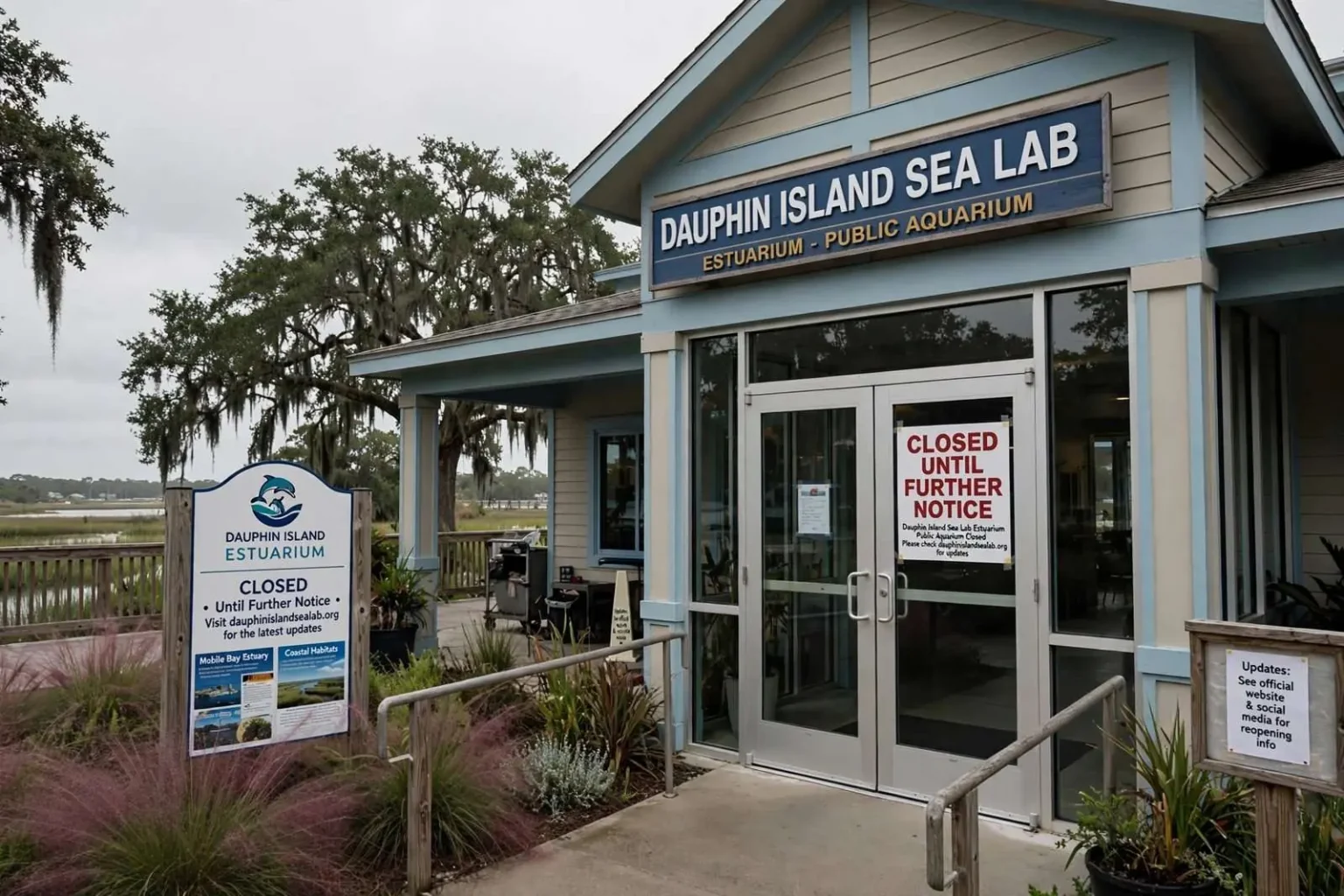
DAUPHIN ISLAND, Ala. — The Dauphin Island Sea Lab announced that its Estuarium public aquarium would be closed until further notice, citing concerns for the health of the public and its employees. The decision affects one of the Alabama Gulf Coast’s most popular indoor attractions, and the organization said it would continue to evaluate the situation before reopening the facility to visitors.
The closure was posted to the Sea Lab’s social media accounts, and the organization said updates would be shared on its website as the situation developed. Staff members directed would-be visitors to those channels rather than calling the front desk, and the Sea Lab indicated that the status of other programs and facilities would be addressed in the same updates as conditions evolved.
The Estuarium is the public outreach arm of the Dauphin Island Sea Lab, highlighting the estuarine and marine life of Mobile Bay and the surrounding Gulf waters. Its exhibits walk visitors through the region’s signature habitats, from the freshwater systems that feed Mobile Bay through the salt marshes, seagrass beds, barrier islands and open Gulf. Display tanks feature species that residents and tourists alike recognize from trips to the coast, including flounder, redfish, stingrays, horseshoe crabs, jellyfish and the controversial lionfish, an invasive species that has spread through Gulf waters in recent years.
The facility also features a living marsh boardwalk and an outdoor exhibit area where visitors can see restored wetland habitat up close, along with touch tanks that let children interact with hardy coastal species under staff supervision. School groups from across Alabama make annual trips to the Estuarium, and the Sea Lab’s education programs reach thousands of students each year through field experiences, summer camps and classroom resources tied to the state’s science standards.
About the Dauphin Island Sea Lab
The Sea Lab itself is much larger than the aquarium most visitors see. Founded by the Alabama legislature as the state’s marine science consortium, the Dauphin Island Sea Lab brings together public and private colleges and universities from across Alabama to offer university-level courses, graduate study and research programs in marine and estuarine sciences. Its campus on the east end of Dauphin Island houses laboratories, classrooms, a research library, and a fleet of research vessels used to study everything from oyster reef restoration to hurricane impacts on barrier islands.
Researchers at the Sea Lab have long served as a primary scientific voice on issues affecting Mobile Bay and the northern Gulf of Mexico, including nutrient runoff, oil spill impacts, fisheries management and sea-level rise. The facility’s scientists are frequently called on by state agencies and news organizations when coastal environmental questions arise, and its public exhibits are designed to translate that research into plain language for the visiting public.
Dauphin Island itself sits at the mouth of Mobile Bay as the barrier island that guards the bay’s entrance. Accessible by the Dauphin Island Bridge from Alabama Port or by the Mobile Bay ferry that connects the island to Fort Morgan, the island is home to roughly 1,300 permanent residents along with seasonal visitors, Fort Gaines, the Audubon Bird Sanctuary, and some of the least developed public beaches on the Alabama coast.
What the closure means for visitors
The Estuarium draws a steady stream of families during spring break, summer vacation and holiday weekends, and it is a frequent stop for campers at the island’s public campground and for guests at the island’s vacation rentals. A closure of the facility removes one of the island’s few indoor attractions, a meaningful consideration when afternoon thunderstorms or cool-season winds interrupt beach plans.
Visitors planning a trip to Dauphin Island were advised to check the Sea Lab’s website for the latest status before heading to the island. Because the announcement gave no reopening date, the organization urged travelers not to rely on third-party listings or outdated hours posted elsewhere, since those sources often lag behind the facility’s own announcements. The Sea Lab’s site carries the most current information on Estuarium operations, and its social media posts supplement those updates for followers.
Island businesses generally encourage visitors to pair an Estuarium trip with the island’s other attractions, and those remain accessible under normal conditions. Fort Gaines, the well-preserved Civil War-era fortification at the island’s east end, overlooks the entrance to Mobile Bay and hosts living-history events through the year. The Audubon Bird Sanctuary, which protects 164 acres of maritime forest, dunes, marsh and lake habitat, is a nationally recognized stop for migrating songbirds and monarch butterflies, and its trail system is open to the public daily. The island’s public beaches and the fishing pier at the east end round out the typical day-trip itinerary.
The Sea Lab’s closure announcement follows the pattern of coastal institutions that weigh public health considerations carefully, particularly when staff and visitors gather indoors in exhibit galleries and classrooms. Organizations on the Alabama coast — from museums in Mobile to aquariums and nature centers in Baldwin County — have repeatedly adjusted their operations in response to such considerations in recent years, and visitors have grown accustomed to checking official channels before traveling.
Supporting coastal education during a closure
Even with its public aquarium closed, the Sea Lab’s research and education missions continue. The institution’s academic programs and ongoing fieldwork operate independently of Estuarium visitation, and its K-12 education staff frequently delivers programming remotely when on-site visits are not practical. Teachers looking for coastal science materials can find lessons and virtual resources through the Sea Lab’s education office, and the organization has a long history of adapting its outreach when the island’s weather or other conditions keep visitors away.
The Estuarium’s admission fees and gift shop sales support the nonprofit side of the Sea Lab’s public mission, so extended closures do affect the facility’s operating picture. Coastal residents who want to support the organization during a closure can follow its announcements for updates, contribute through its membership and support programs, and plan a return visit once the facility reopens.
For now, the guidance for anyone planning a Dauphin Island trip is straightforward: confirm the Estuarium’s status on the Sea Lab’s website before making the drive across the bridge, watch the organization’s social media for reopening news, and take advantage of the island’s outdoor attractions in the meantime. The Sea Lab says it appreciates the public’s patience and will share reopening details as soon as it is safe to welcome visitors back through the Estuarium’s doors.
The Estuarium experience is built around a simple idea: that the health of Mobile Bay’s estuaries connects directly to everyday life in south Alabama. Estuaries — the mixing zones where rivers meet the sea — rank among the most productive ecosystems on earth, and Mobile Bay’s estuary system, fed by the Mobile, Tensaw, Spanish and Bon Secour river watersheds, serves as a nursery for the crabs, shrimp, oysters and finfish that anchor the region’s seafood industry and recreational fishing culture. Exhibits explain that connection in terms visitors can see and touch, which is why the facility has become a fixture on school field trip calendars from Huntsville to the coast.
Volunteer and docent programs at the Estuarium give coastal residents another way to stay connected while doors are closed. The Sea Lab has long relied on trained volunteers to staff touch tanks, lead boardwalk tours and assist with special events, and those volunteers are typically notified first when the facility’s status changes. Prospective volunteers can still apply through the organization’s website so they are ready to participate when operations resume.
Local tourism officials note that Dauphin Island’s quieter, less commercialized character is part of its draw compared with the resort beaches of Gulf Shores and Orange Beach. Day trippers from Mobile, Baldwin County and the Mississippi Gulf Coast account for a large share of island visitors, and many build their trips around a combination of the Estuarium, the fort, the sanctuary trails and an afternoon on the beach. A posted closure like this one usually prompts some visitors to reschedule, which is exactly why the Sea Lab asks travelers to verify status before crossing the bridge.
The organization says it will announce its reopening through the same channels that carried the closure notice, and it thanks the community for its understanding while the facility remains closed. Visitors with questions about tickets, group reservations or scheduled programs should watch the Sea Lab’s website for the most current guidance rather than attempting to reach the Estuarium’s ticket desk while the closure is in effect.
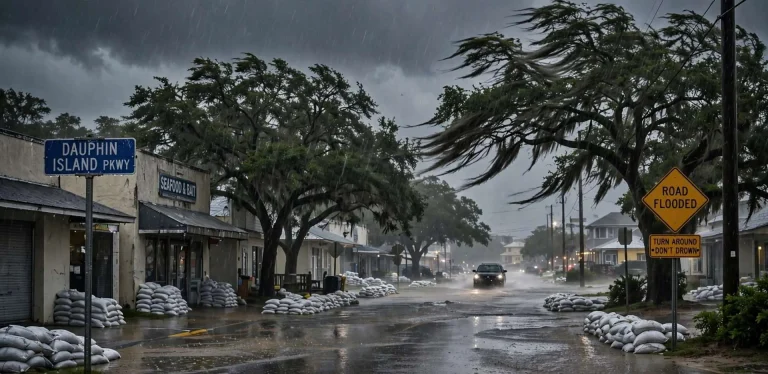
Weather conditions on a barrier island can compound any operational disruption. Dauphin Island sits low against the Gulf, and its east end — where the Sea Lab campus, Fort Gaines and the public pier all sit — regularly sees overwash and road flooding during tropical systems and even strong winter storms. Past hurricanes have repeatedly damaged island facilities and required lengthy repairs, so coastal attractions there have well-practiced routines for closing, protecting exhibits and communicating with the public until conditions allow a safe reopening.
Travelers who make the trip in the meantime can still find plenty to do. The island’s restaurants and shops operate on their regular schedules, the ferry crossing to Fort Morgan runs when conditions permit, and the east-end beach remains one of the best spots on the Alabama coast to watch sunset over the bay. Visitors should simply build their plans around the Sea Lab’s posted updates and be ready to adjust, as island destinations frequently require.