Never a Smoker, Escambia County Woman Is Cancer-Free After Lung Nodule Found During Back Surgery Visit
An Escambia County, Alabama, woman who never smoked is cancer-free after a lung nodule was caught during a back surgery visit in Pensacola, a reminder that lung cancer can strike anyone.
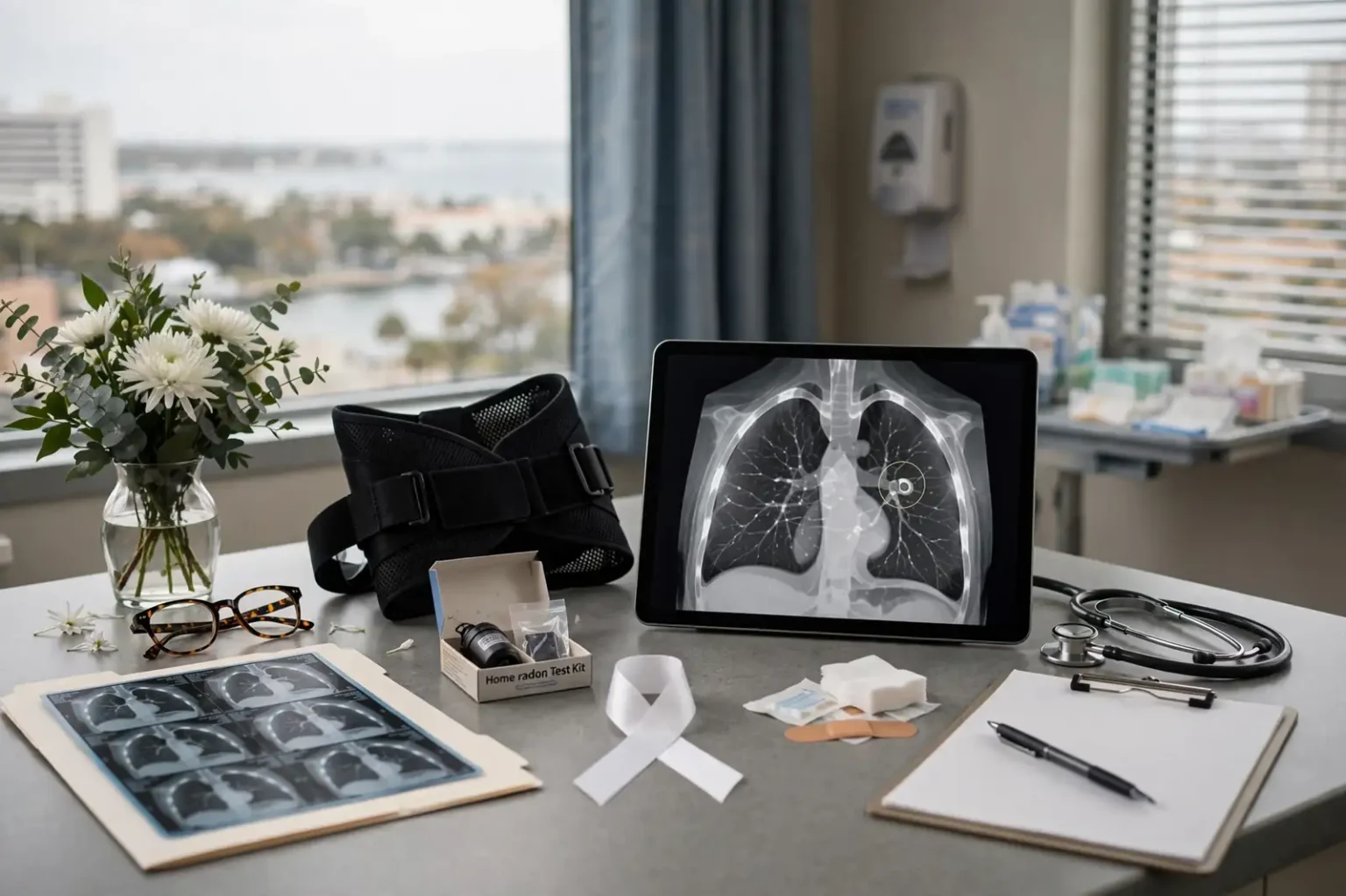
PENSACOLA, Fla. — A woman from Escambia County, Alabama, who has never smoked is cancer-free after doctors at Ascension Sacred Heart in Pensacola found a cancerous nodule in her right lung. The cancer turned up while she was being seen for a different problem: her back.
Her case comes during Lung Cancer Awareness Month, observed every November. Hospital staff are using it to make a point many people may not expect. Lung cancer is often linked to smoking, but people who have never smoked can get it too, and finding it early can make a major difference.
A Back Consultation Turns Into a Cancer Diagnosis
In August, the woman traveled to the Pensacola hospital for a consultation about back surgery. She was not thinking about her lungs. Afterward, she got a phone call telling her doctors had found a cancerous nodule in her right lung.
She said the news left her stunned and not knowing what to do. Since she had never smoked at all, lung cancer was the last thing she expected.
The nodule was later removed, and she was declared cancer-free. Just a few weeks after the procedure, she went back to Sacred Heart to visit the staff who cared for her. She said she is glad to be back on her feet and thankful for more time with her grandchildren.
A Lifelong Choice Shaped by Family
Her decision never to smoke goes back to childhood. Her mother smoked and was later diagnosed with cancer, and the woman was the one who had to tell her mother. She said she will never forget the look of shock and devastation on her mother’s face.
Even as a child she would not touch cigarettes, she said, partly because she disliked their smell. Hearing from people who had lost family members to lung cancer made her even more sure she would avoid the disease. That is why the diagnosis felt so unfair to her, and why she now wants others to know that not smoking does not guarantee protection.
A Nurse’s Warning: It Can Be Anyone
Sacred Heart has a pulmonary nodule nurse, whose job is to follow up on spots found in patients’ lungs. She said this patient’s experience is not unusual. She said she sees ordinary people who have never smoked come into the emergency room and learn they already have stage three lung cancer.
Her message is that lung cancer is not limited to smokers and can affect anyone. Finding a nodule early, before symptoms appear, gives patients the best chance at treatment that works.
Why Lung Cancer Is Often Found Late
In its early stages, lung cancer usually causes no symptoms. By the time warning signs appear, the disease is often more advanced and harder to treat. That is why so many early cases are found by chance on imaging done for some other reason, such as a scan before surgery or after an injury.
Symptoms that can show up as lung cancer grows include:
- A cough that does not go away or keeps getting worse
- Coughing up blood
- Chest pain
- Shortness of breath or wheezing
- Hoarseness
- Unexplained weight loss or loss of appetite
- Feeling unusually tired or weak
- Repeated infections such as bronchitis or pneumonia
These symptoms often have other causes, but anyone who has them, especially if they last, should see a doctor.
Lung Cancer in People Who Have Never Smoked
Smoking is by far the leading cause of lung cancer, but a meaningful share of patients have never smoked. Health authorities point to several risk factors besides tobacco:
- Radon: A naturally occurring radioactive gas that can build up inside homes and buildings. Federal health agencies call it the leading cause of lung cancer among people who have never smoked. Inexpensive home test kits can measure radon levels.
- Secondhand smoke: Regularly breathing other people’s tobacco smoke raises lung cancer risk.
- Workplace exposures: Substances such as asbestos, diesel exhaust and some chemicals are linked to lung cancer.
- Air pollution: Long-term exposure to outdoor air pollution is considered a risk factor.
- Family history and genetics: Having a close relative with lung cancer can raise a person’s risk, and certain genetic changes are found more often in tumors from people who never smoked.
Some people develop lung cancer without any known risk factor, which is part of why the disease can be such a surprise.
Who Qualifies for Lung Cancer Screening
The main screening test for lung cancer is a yearly low-dose CT scan, which uses a small amount of radiation to make detailed images of the lungs. Screening is aimed at people at high risk because of their smoking history.
The U.S. Preventive Services Task Force recommends yearly low-dose CT screening for adults ages 50 to 80 who have a smoking history of at least 20 pack-years and who still smoke or quit within the past 15 years. A pack-year equals smoking one pack a day for a year. A pack a day for 20 years, or two packs a day for 10 years, both add up to 20 pack-years.
Because the guidelines depend on smoking history, people who have never smoked usually do not qualify for routine screening. For them, early lung cancers are most often found by accident on scans ordered for other reasons. Hospitals that carefully track those unexpected findings can catch cancers that might otherwise go unnoticed until symptoms appear.
What Happens When a Lung Nodule Is Found
A lung nodule is a small spot of tissue seen on an imaging scan. Nodules are common, and most turn out to be harmless, often scars from old infections or other benign causes.
When a nodule is found, doctors look at its size, shape, growth over time and the patient’s risk factors. Small, low-risk nodules are often watched with follow-up scans over months or years. Nodules that look more suspicious may lead to more imaging, such as a PET scan, or a biopsy to check for cancer. If cancer is confirmed and caught early, surgery to remove the nodule or part of the lung may be all the treatment a patient needs.
Patients told they have a nodule should make sure they understand the follow-up plan and keep any recommended appointments, since watching a nodule over time is how doctors spot changes early.
Steps to Take During Lung Cancer Awareness Month
- Ask a doctor whether you qualify for lung cancer screening based on your age and smoking history.
- If you smoke, ask about programs and medications that can help you quit.
- Test your home for radon.
- Avoid secondhand smoke and follow safety rules for workplace exposures.
- Do not ignore a lasting cough, chest pain or shortness of breath, even if you have never smoked.
- If a scan shows a lung nodule, follow through on the recommended monitoring.
For this Escambia County woman, a back appointment turned into an early cancer diagnosis and a quick recovery. Hospital staff hope her story encourages others to take lung symptoms and unexpected scan findings seriously, whether or not they have ever smoked.