Mobile County Review Teams to Study Seven Extreme Prematurity Deaths as World Prematurity Day Arrives
On World Prematurity Day, the Mobile County Health Department highlighted its fetal and infant death review program, which will study seven extreme prematurity cases, and offered free portable cribs.
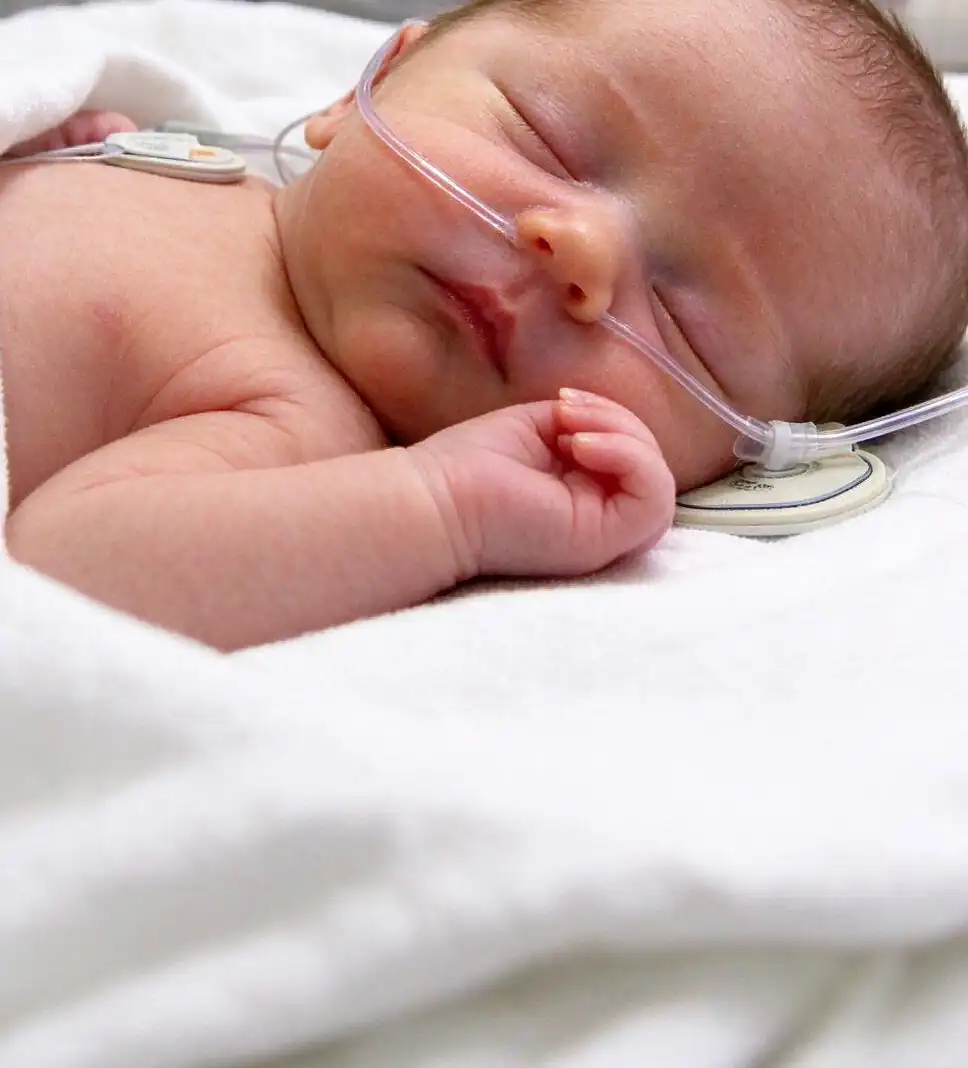
MOBILE, Ala. — Seven of the 40 fetal and infant deaths reported to Mobile County this year involved extreme prematurity, and local review teams are preparing to study those cases as the county health department joins in observing World Prematurity Day.
The Mobile County Health Department is using the global observance to raise awareness about babies born too early and to highlight the work of its Fetal and Infant Mortality Review program, a long-running effort to learn from pregnancy losses and infant deaths and to prevent future ones. The department is also reminding families that free portable cribs are available to qualifying households with infants up to 6 months old.
What World Prematurity Day Is About
World Prematurity Day is observed every November around the globe to draw attention to preterm birth and to push for high-quality care for every baby who arrives too soon. This year’s campaign centers on follow-up care, with a message that small babies have big potential and that investing in their care after they leave the hospital helps protect their futures.
A baby is considered preterm when born before 37 weeks of pregnancy. A full-term pregnancy generally lasts about 40 weeks.
A worldwide concern
Roughly one in every 10 babies born worldwide arrives preterm. Without proper care, these infants face a high risk of serious and sometimes life-threatening problems, including:
- Breathing difficulties, such as respiratory distress
- Infections
- Hypothermia, or dangerously low body temperature
Together, those conditions contribute to hundreds of thousands of deaths each year that could be prevented. Complications of preterm birth are among the leading causes of death for young children worldwide, according to global health agencies.
Babies born earliest, before about 28 weeks, are generally described as extremely preterm and tend to need the most intensive care. Many preterm babies who survive go on to lead healthy lives, but some face longer-term challenges with breathing, vision, hearing, feeding or development, which is why follow-up care after a baby goes home is so important.
Mobile County’s Review Program
Mobile County’s Fetal and Infant Mortality Review program, known locally as the Alabama Baby Coalition, has been operating since 1998. It is part of a community-based initiative found across the state.
The program was created to pinpoint the strengths and gaps in the community, along with the particular health and social issues, that are tied to poor pregnancy outcomes. Its overall aim is to improve the health and well-being of women, infants and families.
How the reviews work
The program does its work in two main ways:
- Case reviews: Teams examine deidentified records of fetal deaths, also known as stillbirths, and infant deaths, meaning personal identifying details are removed before review.
- Maternal interviews: Mothers may choose to take part in voluntary interviews that help reviewers understand the circumstances surrounding a loss.
The official who oversees the Alabama Baby Coalition said the reviews check whether newborn screening took place and whether follow-up care was completed on time. The official said the process can uncover breakdowns in screening or in communication.
Fetal and infant mortality review programs are used in communities across the United States. Rather than assigning blame in individual cases, they are designed to look for patterns, such as gaps in services, barriers to care or problems in how information is shared, and to bring community partners together to address them.
This year’s cases
So far this year, Mobile County has received 40 records of fetal and infant deaths. Seven of those have been classified as extreme prematurity, and they are on the schedule for review by the program’s teams.
Newborn Screening and Follow-Up Care
Newborn screening is a routine public health program in which babies are tested shortly after birth for certain serious conditions that may not be obvious right away. In the United States, it typically includes a small blood sample from the baby’s heel, along with hearing and heart screenings. Finding these conditions early allows treatment to begin before lasting harm occurs.
Screening only helps if results reach the right people and any needed follow-up actually happens, which is why the local review teams look closely at that step. The program frequently works alongside the health department’s Maternal and Child Health programs and community organizations to improve newborn screening outcomes.
Safe Sleep Remains a Priority
Besides reviewing cases, the review teams take an active role in campaigns that promote safe sleep for infants, part of their broader effort to lower infant mortality. The department is urging families to make sure babies have a safe place to sleep.
To help, free portable cribs are being offered to qualifying families with babies from newborn to 6 months old. Families interested in learning whether they qualify can contact the Mobile County Health Department.
Safe sleep basics
National pediatric guidance on safe infant sleep is often summarized in a few simple steps:
- Alone: Babies should sleep in their own sleep space, not in an adult bed, on a couch or in a chair with another person.
- Back: Always place a baby on their back to sleep, for naps and at night.
- Crib: Use a firm, flat mattress in a safety-approved crib, bassinet or portable play yard with a fitted sheet.
- Keep it bare: Leave out pillows, blankets, bumpers and stuffed toys.
- Share the room, not the bed: Keeping the baby’s sleep space in the parents’ room is recommended.
- Smoke-free: Avoid smoking during pregnancy and keep the baby’s surroundings free of smoke.
Steps Toward a Healthy Pregnancy
Not every preterm birth can be prevented, and some happen with no known cause. Health organizations generally encourage expectant mothers to take steps that support a healthy pregnancy, including:
- Starting prenatal care early and keeping regular appointments
- Talking with a health care provider about any chronic conditions, such as high blood pressure or diabetes
- Avoiding tobacco, alcohol and drugs
- Asking a provider about the warning signs of preterm labor and when to call
Anyone who is pregnant and has concerns, such as regular contractions, leaking fluid, bleeding or unusual pelvic pressure, should contact a health care provider right away.
A Continuing Commitment
The department said its review teams remain dedicated to reducing infant deaths in Mobile County through careful case reviews and safe sleep outreach. Working with the department’s maternal and child health programs and community partners, the Alabama Baby Coalition has spent more than 25 years trying to improve pregnancy outcomes for local families.