Figures, Marques Farm Bill Fight Heats Up in Alabama’s 2nd District Over Votes, Beef Imports and Costs
Republican Rhett Marques says Democratic U.S. Rep. Shomari Figures hurt Alabama farmers by voting against the farm bill. Figures calls the charge misleading, blaming the Republican-led Congress and Trump administration policies, while Marques blames Democratic spending for fuel and fertilizer costs.
DOTHAN, Ala. — The Figures, Marques farm bill fight has become the latest flash point in Alabama’s 2nd Congressional District race, with Democratic U.S. Rep. Shomari Figures and Republican challenger Rhett Marques each blaming the other side for the pressures facing Alabama farmers.
Marques, a state representative from Enterprise, said Wednesday that Figures’ vote against the farm bill left Alabama agriculture at risk. Figures, speaking in Dothan, called that accusation misleading and said the Republican-led Congress and the Trump administration bear responsibility for farmers’ troubles.
Marques: ‘That hurt the farmers’
Marques said the farm bill would have helped farmers and that Figures and other Democrats who voted against it harmed the agriculture industry.
“That farm bill was going to help the farmers. The Democrats, including my opponent, voted against that. And that hurt the farmers,” Marques said on Wednesday.
Marques has also pointed to his endorsement by the Alabama Farmers Federation, the state’s largest farm organization, as evidence of support from the agriculture community.
Figures: ‘Like the arsonists rushing in’
Figures pushed back sharply.
“Rhett Marques sitting here saying that I’m hurting farmers is a little bit like the arsonists rushing in, saying that they’re going to help put out the fire that they started,” Figures said.
He said the farm bill’s delay predates his time in Congress. Figures took office in January 2025 after winning the newly drawn 2nd District seat in 2024.
“Listen, the Republican-controlled Congress has not passed a farm bill now going on for four years, right? Four years overdue. And that was before I even got to Congress,” Figures said.
The last full farm bill, the Agriculture Improvement Act of 2018, expired in 2023, and Congress has kept many of its programs running through extensions since then. Farm bills typically run five years and cover crop insurance, commodity support, conservation, rural development and nutrition programs.
Why Figures voted no
Figures said he voted against the bill because of language he believes would reduce funding for rural hospitals and land-grant institutions. Alabama’s land-grant universities include Auburn University, Alabama A&M University and Tuskegee University, which run agricultural research and extension programs across the state.
“It was not the best bill that it could possibly be for the farmers. And that’s part of the reason you have not seen it pass, even in the Republican-controlled Senate,” Figures said.
He also argued that the bill did not go far enough to offset rising costs.
“The farm bill fell woefully short of providing the type of relief that farmers need in response to this administration’s policies,” Figures said, pointing to the Trump administration’s policies as a factor in rising diesel fuel and fertilizer prices.
Beef imports and a $15 billion relief request
Figures also criticized the White House for allowing 300,000 metric tons of foreign beef into the country at lower tariffs.
“To allow that beef to be sold 25% under market value is a slap in the face to farmers here,” Figures said.
The Alabama Cattlemen’s Association said the market was immediately affected by the policy.
Figures said farmers are making their views known.
“Farmers know who’s hurting them. And, you know, in many cases, they are standing up and they are speaking out against it,” he said.
Figures has filed a bill to reverse the beef tariff policy and is seeking $15 billion in additional relief funding for farmers. Both measures remain stalled in Congress.
“We should have representation in Washington, D.C. that stands up to those actions and that’s not afraid to call out a president of any party when they’re taking actions to harm us,” Figures said.
Marques campaign: Democratic policies drove up costs
In response to Figures’ comments, the Marques campaign said Figures and his party have blocked progress on the farm bill, and it blamed Democratic tax-and-spend policies for rising fuel and fertilizer costs.
“Alabama farmers know that Joe Biden and Shomari’s tax and spend policies, that is what’s driven up fuel and fertilizer costs through the roof,” Marques said.
Fuel costs have been a recurring theme in the race. Earlier in the campaign, the two candidates clashed over gasoline and diesel prices, a 2019 state gas tax vote and the Port of Mobile, with each side blaming the other’s party for higher costs.
Why agriculture matters in the 2nd District
The 2nd District takes in a broad swath of south Alabama, from Mobile to the Wiregrass around Dothan, where the candidates made their latest remarks. Much of the district is rural, and row crops such as cotton and peanuts, along with cattle and timber, are important to the local economy. That makes farm policy, input costs and trade decisions affecting commodity prices a natural issue for voters there.
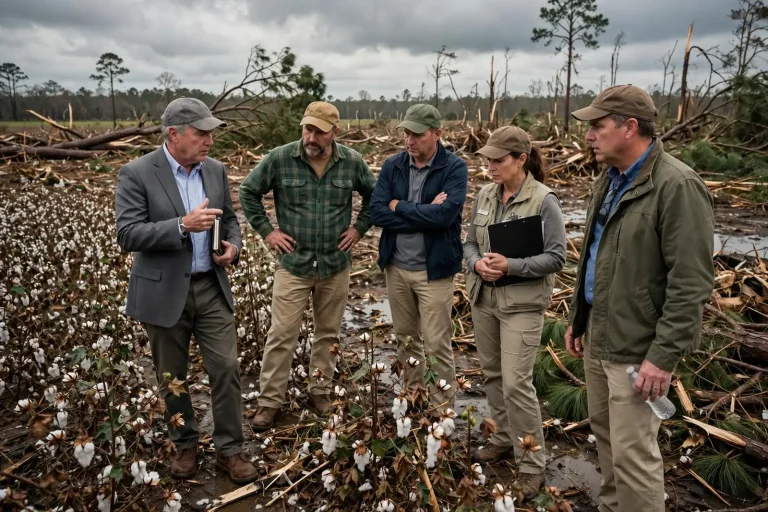
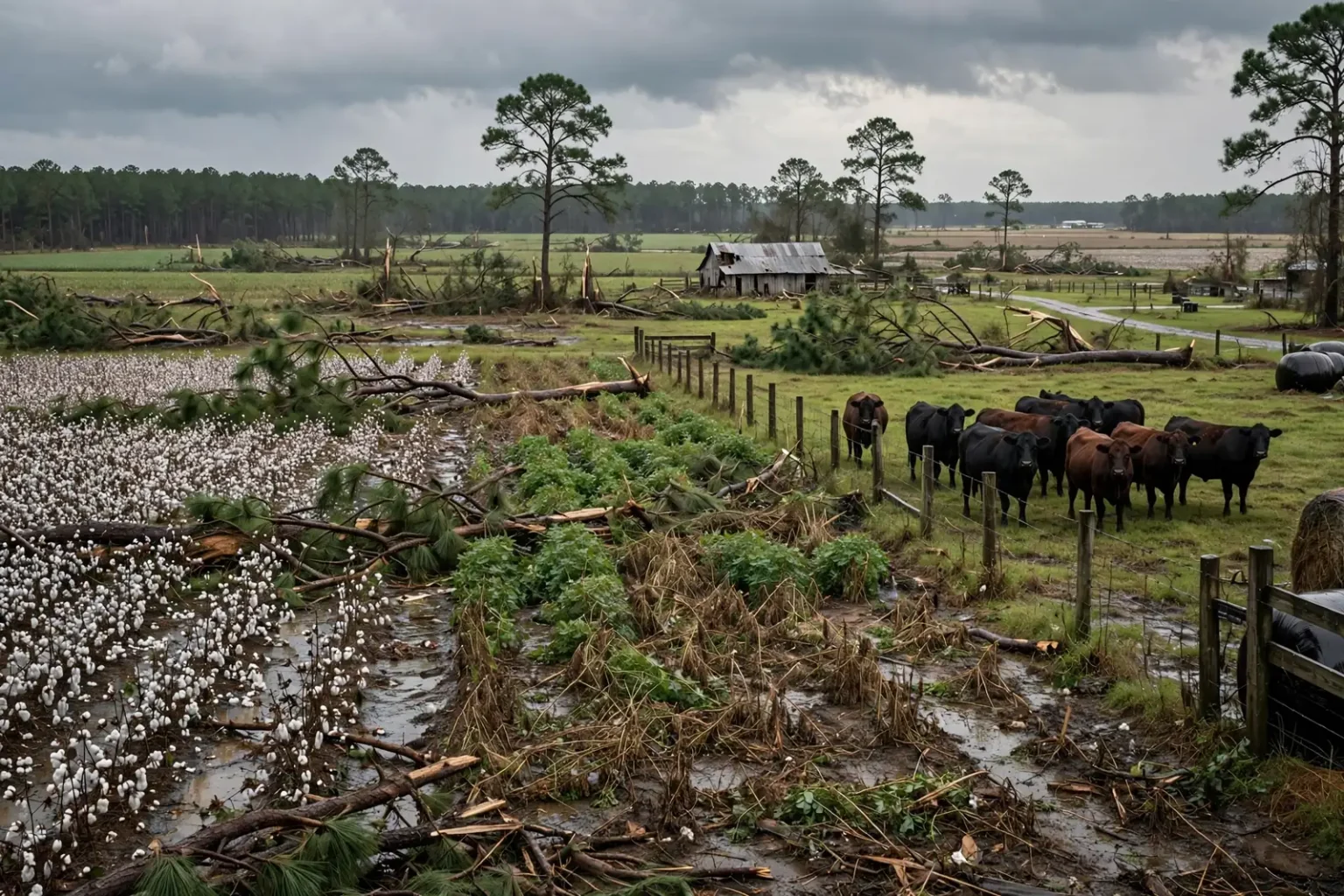
The farm debate also comes as farmers in parts of south Alabama assess damage from Hurricane Isaias, which damaged crops and timber in several counties earlier this month. Farm groups and state agriculture officials are working on damage assessments that could support a federal agricultural disaster declaration.
A closely watched race
Control of the U.S. House could depend on races such as this one. In late September, nonpartisan forecasters projected Democrats on track to win House control nationally while rating Alabama’s 2nd District “Likely Republican,” making Figures one of the incumbents both parties are watching closely.
Figures has accepted invitations to debate, while Marques has declined to participate in a 2nd District debate, according to the campaigns. Both candidates have campaigned across the district on fuel prices, the economy and federal spending.
The general election is Tuesday, Nov. 3. Alabama’s deadline to register to vote or update voter information is Monday, Oct. 19. Voters can check their registration and find their polling place through the Alabama Secretary of State’s office.