BREWTON, Ala. — Two weeks after Hurricane Isaias swept through south Alabama, the demand for food assistance in Brewton and the surrounding countryside has climbed sharply, and local volunteers are working to keep pace.
Many residents of Brewton and nearby rural communities went four days or longer without electricity after the storm. For many households, those extended outages meant refrigerators and freezers full of food had to be thrown out, leaving families to restock their kitchens at the same time they are paying for cleanup and repairs.
A fourth distribution since the storm
The Escambia County Community Enabled Food Pantry has been among the groups trying to fill that gap. This past weekend marked the pantry’s fourth community food distribution since Isaias, according to organizers.
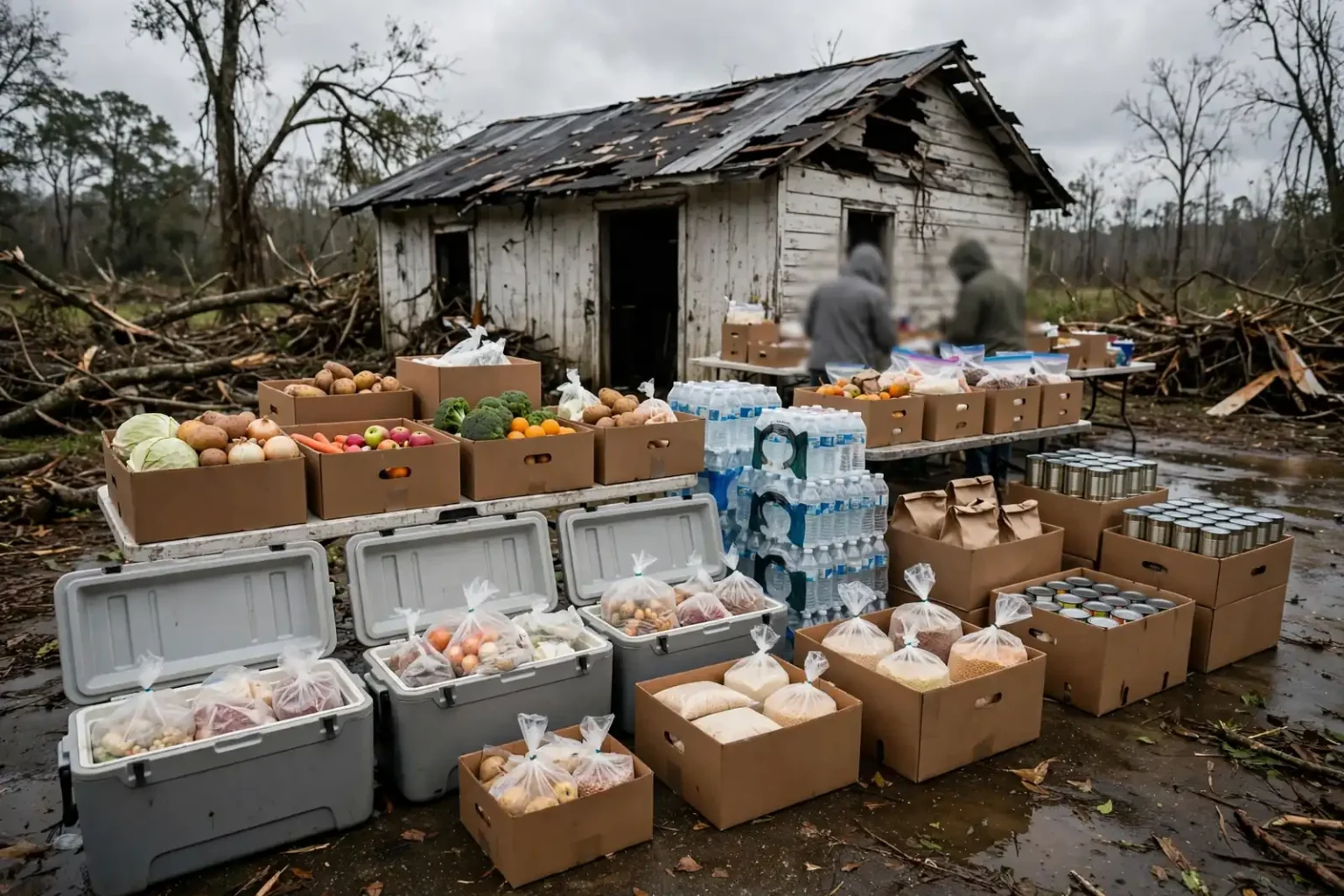
On Saturday, volunteers handed out 250 packs of emergency food. Each included a mix of fresh produce, frozen items and dry goods.
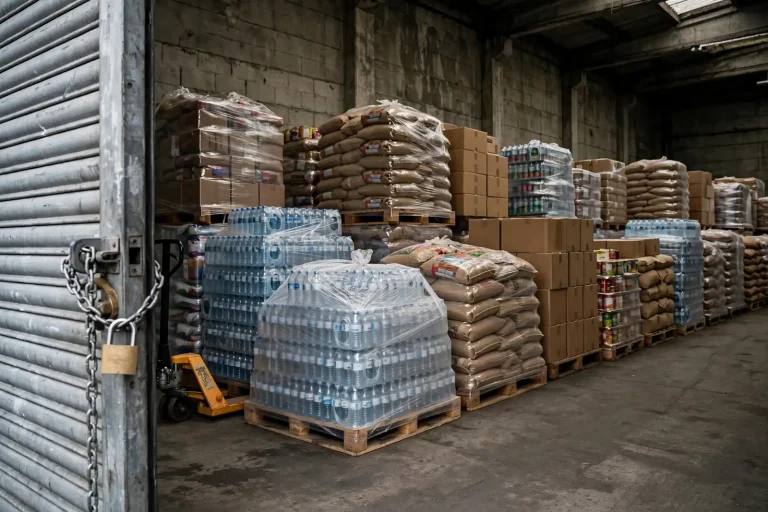
Organizers credited a partnership with Feeding the Gulf Coast for helping stock the boxes and supplies. They also said the need is not limited to Brewton itself: people have been coming from well outside the city to get help.
‘It’s all about serving’
Pantry Director Irene Johnson said the work is about meeting people at a hard moment and treating them with dignity.
“When people are hurting and when people need it, they need someone there to help them,” Johnson said.
She said the pantry makes a point of not treating the people it serves as charity cases, and that volunteers try to make sure everyone who comes through feels respected. Johnson described the effort as a ministry rather than simply a food giveaway.
“It’s not just passing out food,” she said, adding that she is thankful for the chance to serve her neighbors “because it’s all about serving.”
Why the outages hit kitchens so hard
The scale of food loss after Isaias follows directly from how long the power stayed off. Federal food safety guidance from the U.S. Department of Agriculture says a refrigerator will generally keep food safe for only about four hours without power if the door stays closed. A full freezer can hold its temperature for roughly 48 hours, and a half-full freezer for about 24 hours.
After that, perishable foods such as meat, poultry, seafood, milk, eggs and leftovers that have been held above 40 degrees for more than two hours are considered unsafe and should be discarded, according to USDA guidance. For households that lost power for four days or more, that often meant losing nearly everything in the refrigerator and freezer.
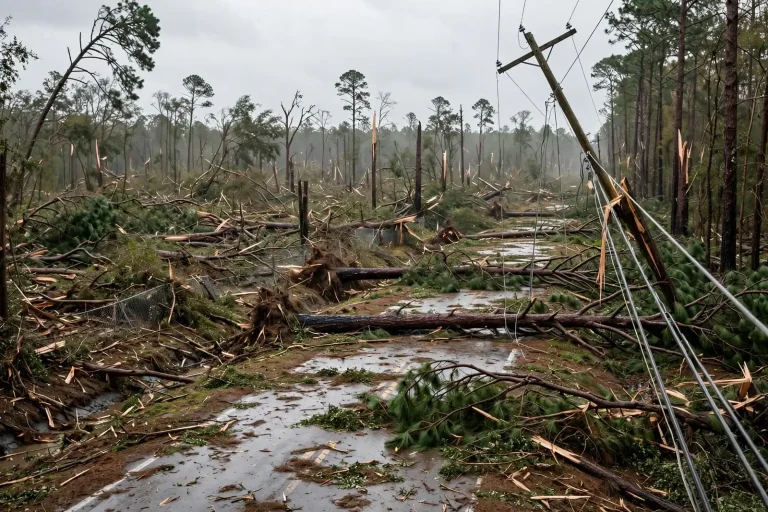
Statewide, nearly 300,000 customers lost electricity after Isaias made landfall on Oct. 9 as a Category 2 hurricane with sustained winds of 105 mph. The storm tracked across the southern half of Alabama and killed two people in the state.
Escambia County’s wider recovery
The food needs in Brewton are part of a broader recovery across Escambia County. The Alabama Forestry Commission has estimated $33.5 million in timber damage across Conecuh, Escambia and Monroe counties, a significant blow to a region where forestry has long been central to the local economy.
Escambia is one of 23 counties included in Gov. Kay Ivey’s request for a federal major disaster declaration, which she submitted to the White House on Friday. Alabama’s entire congressional delegation, in a letter led by U.S. Sen. Katie Britt, has urged President Donald Trump to approve the request without delay. As of Monday night, the president had not responded.
If granted, the declaration would allow the Federal Emergency Management Agency to help local governments and eligible nonprofits cover storm costs. The state has also requested Individual Assistance, which would provide help directly to affected households.
What a declaration could mean for food aid
A major disaster declaration that includes Individual Assistance can also open the door to additional food help. In such cases, a state may ask the U.S. Department of Agriculture to approve a Disaster Supplemental Nutrition Assistance Program, commonly known as D-SNAP, which can provide temporary food benefits to eligible households that do not normally receive SNAP. That program is not automatic; it requires both a qualifying federal declaration and a separate request and approval process.
Until then, local pantries and regional food banks are carrying much of the load.
The role of Feeding the Gulf Coast
Feeding the Gulf Coast is the regional food bank headquartered in Theodore, in Mobile County. As a member of the national Feeding America network, it collects and distributes food through partner agencies such as local pantries, churches and community organizations across south Alabama, northwest Florida and south Mississippi. Partnerships like the one with the Escambia County Community Enabled Food Pantry allow small, volunteer-driven groups to hand out far more food than they could supply on their own, particularly during disasters.
How residents can find help or pitch in
Residents in need of food assistance can watch for announcements of upcoming distributions from the Escambia County Community Enabled Food Pantry and other local groups, or contact Feeding the Gulf Coast to find partner pantries near them. Those who want to help can reach out to the pantry directly to ask about volunteering or donating, or support the regional food bank that supplies it.
Four distributions in two weeks, with people arriving from well beyond the city limits, show how far the storm’s toll on household food supplies has reached in and around Brewton.