

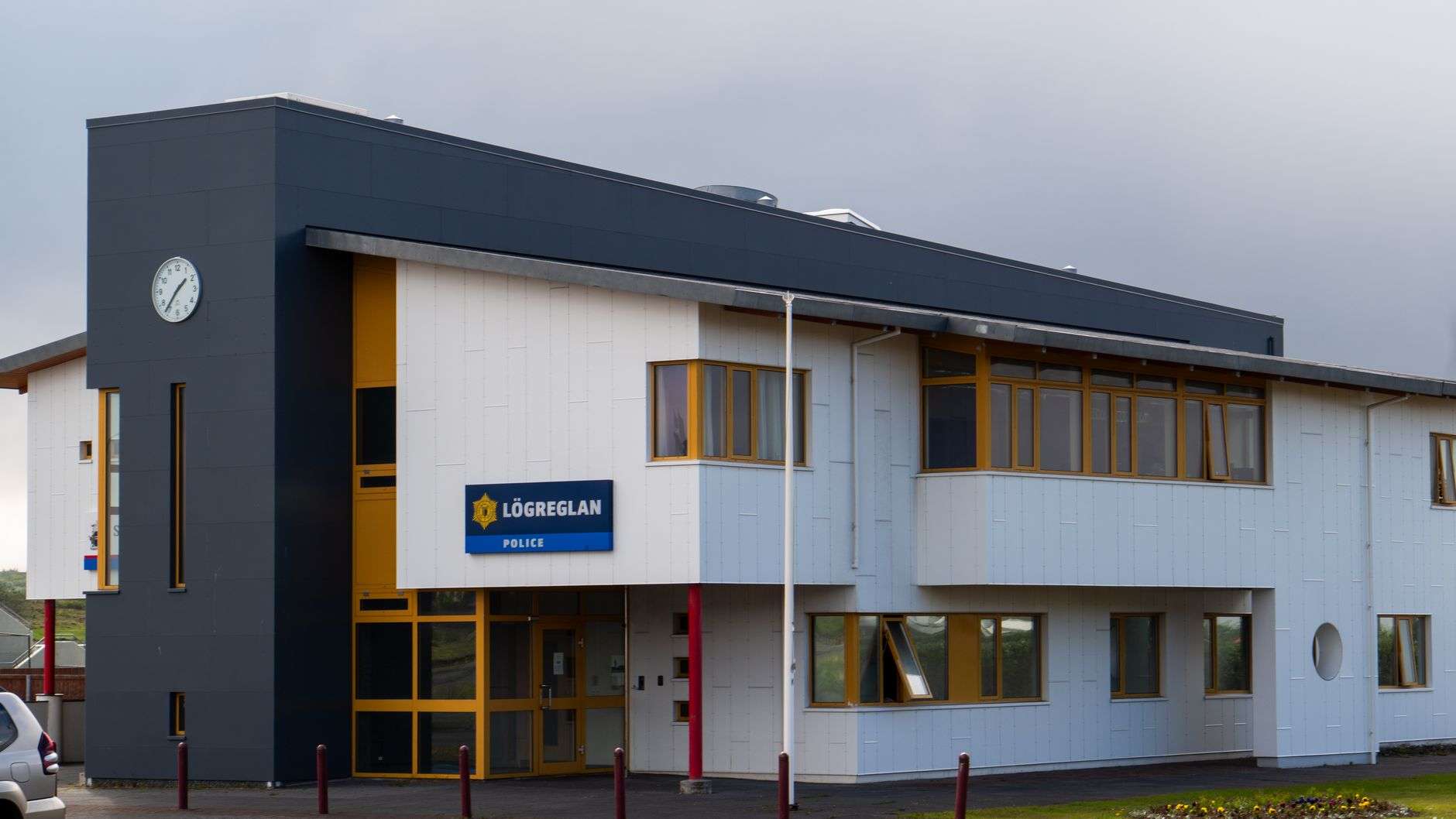
GULF SHORES, Ala. — The new City of Gulf Shores Justice Center will soon bring the city’s police department, jail, fleet storage and municipal courts together in one modern, centralized location on Medical Village Boulevard.
The consolidation will improve efficiency, communication and accessibility for both first responders and the community, the city said.
A Clinic Becomes a Justice Center
The 44,000-square-foot building is located in the former Sacred Heart Walk-In Clinic building.
Mayor Robert Craft said the facility strengthens the city’s ability to serve a growing community and gives police the modern resources they need.
Converting an existing medical building rather than constructing from scratch is a pragmatic choice with specific advantages. A walk-in clinic already has the structural bones a justice center needs: substantial square footage, a public-facing entry and waiting area, a network of small private rooms suited to interview space, existing plumbing and electrical capacity, and parking sized for public traffic.
It also puts an empty commercial building back into use, which matters in a city where large vacant structures are conspicuous.
Why Consolidation Matters Operationally
The four functions being brought together — police, jail, fleet and courts — currently interact constantly across separate locations, and every one of those interactions involves moving something or someone.
An officer making an arrest transports a person to a jail. That person appears in municipal court. Evidence moves between an evidence room and a courtroom. Patrol vehicles require maintenance, fueling and equipment changeover between shifts.
When those functions sit in different buildings, each transfer consumes officer time, creates a security exposure and introduces delay. Consolidating them into one facility compresses all of it. A secured internal route between a jail and a courtroom, in particular, eliminates what is among the higher-risk routine tasks a municipal department performs.
Fleet storage in the same building is a less obvious but real gain. Shift changes and vehicle service stop requiring a separate trip across town.
A Growing City
Gulf Shores’ permanent population is a fraction of the number of people present during peak tourist season, and its public safety demands scale with visitors rather than with residents. A police department sized and housed for the year-round population is inadequate for the months when it is not.
Municipal court volume follows the same pattern. Traffic citations, municipal ordinance violations and minor offenses rise with the number of people in the city, which means a courtroom has to handle a caseload that its host city’s census figures do not predict.
That is the context for the mayor’s reference to a growing community — growth in Gulf Shores is measured both in permanent residents and in the seasonal load the city absorbs.
What Comes Next
The city has not announced a full operational date for all four functions. Moves of this kind are generally phased, with departments relocating in sequence rather than simultaneously, so that police dispatch, records and court operations are not all in transition at once.
Residents needing to pay a municipal court fine, retrieve a report or conduct other business with the police department should confirm the current location before traveling, as services transition to Medical Village Boulevard.