

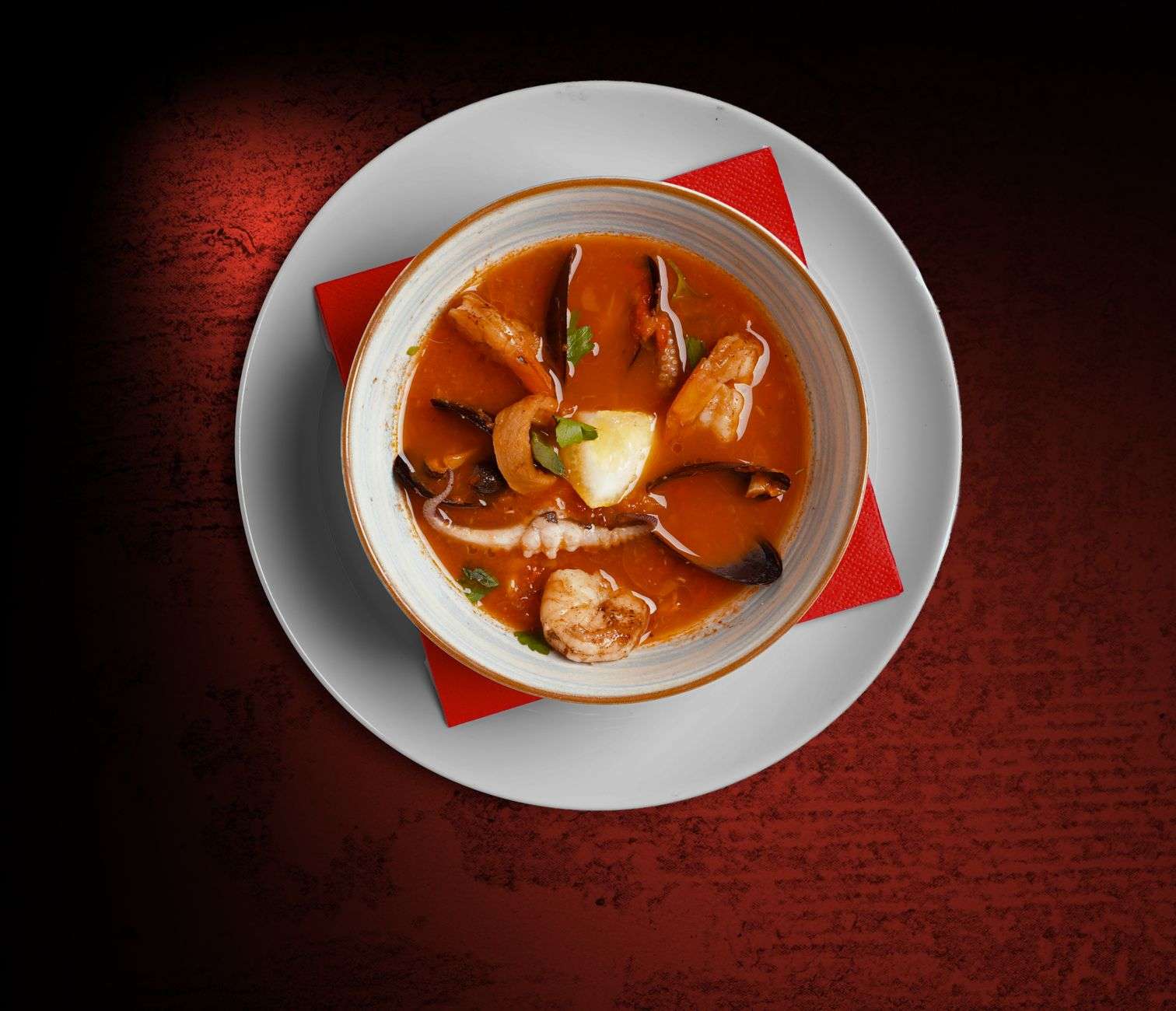
FAIRHOPE, Ala. — A little more than a year after it opened its doors on Oak Avenue, Little Bird has landed on a national list of the 50 best restaurants in the country for 2026 — and it did not go alone. Perennial, in Montgomery, made the same list, putting Alabama among just 13 states with more than one restaurant selected.
For a state whose dining scene is more often described in regional terms than national ones, two placements out of fifty is a meaningful showing. For Fairhope, a city of roughly 25,000 on the eastern shore of Mobile Bay, it is something closer to a landmark.
Little Bird, Fairhope
Little Bird opened in June 2025. It occupies a light-filled, two-story house at 404 Oak Ave., a few blocks from the bluff, and it has built its reputation on fresh Gulf seafood served without ceremony — or, as the recognition framed it, on “assertive, technically minded coastal Southern cooking.”
Reviewer Ryan Sutton, who wrote the entry, singled out the gumbo first, and the detail he chose to highlight is the one a local reader will notice immediately.
Little Bird builds its gumbo on a dark roux in the Louisiana Cajun tradition — not the tomato-forward stews more common around Mobile Bay. That is a deliberate choice, and around here it is close to a statement of allegiance. Mobile Bay gumbo has its own lineage, with a lighter roux and, in many kitchens, tomato in the pot. Little Bird looked west instead.
Sutton also called out the West Indies salad, the candied jalapeño-topped boudin-stuffed quail, and a buttermilk pie he suggested pairing with a bacon fat old-fashioned.
West Indies salad on that list is its own small piece of local history. The dish — lump crabmeat marinated in oil, cider vinegar and onion, and traditionally left to sit overnight — is one of the few genuinely native creations of the Mobile Bay area, and it turns up on menus from Bayou La Batre to Gulf Shores. Seeing it named in a national roundup is a nod to the region as much as to the restaurant.
“In this light-filled, two-story house, the kitchen draws lively crowds for assertive, technically minded coastal Southern cooking,” Sutton wrote.
The response from the restaurant was, by the standards of a national award, notably plain-spoken.
“This recognition would not be possible without our loyal guests, friends, and family,” the Little Bird team wrote. “We are so honored to be on this list with some seriously big contenders! After just over 1 year open here at little bird, we could not be more grateful and excited about whats to come! This is just the beginning.”
If You Want to Go
Address: 404 Oak Ave., Fairhope, AL 36532
Hours:
- Dinner, Sunday through Wednesday: 5 p.m. to 9 p.m.
- Dinner, Thursday: 5 p.m. to 10 p.m.
- Dinner, Friday and Saturday: 3 p.m. to 11 p.m.
- Lunch, Monday through Thursday: 11 a.m. to 3 p.m.
- Lunch, Friday and Saturday: 11 a.m. to 3 p.m.
- Sunday brunch: 10 a.m. to 3 p.m.
- Cocktail hour: 3 p.m. to 5 p.m. daily
A practical note for anyone planning a visit on the strength of this news: a national listing tends to change a restaurant’s reservation book within days. The Friday and Saturday dinner service, which runs from 3 p.m. to 11 p.m., is the widest window on the schedule, and the daily 3-to-5 cocktail hour is the least likely to be crowded.
Perennial, Montgomery
Alabama’s other entry sits about 170 miles up the road, at 1914 Mulberry St. in Montgomery, and it arrived at the list from an almost entirely different direction.
Perennial’s owner, Deanne Allegro, is a registered dietitian with degrees in food science and human nutrition. She built the restaurant around a single organizing idea: let local ingredients lead the menu, rather than fitting local ingredients into a menu written in advance.
In practice that means the menu rotates weekly according to what Alabama farmers and producers actually have. Allegro and her team work directly with those growers, and the kitchen is built to run with very little waste. The dining room follows the same logic — repurposed furniture, vintage tableware, secondhand decor.
The reviewer’s description made clear that this is not a matter of a few seasonal specials tacked onto a conventional menu.
“Your steak might be a squash steak. That kefir soda? It’s made from an ultra-fragrant strawberry syrup. That bright chimichurri on pan-seared Gulf shrimp? It’s made from repurposed carrot tops. The sweet plums for crisp fruit ravioli come from nearby Clanton, and every whiskey hails from Alabama,” Sutton wrote.
Each of those examples is doing a specific job. A squash steak treats a vegetable as a center-of-plate protein rather than a side. Chimichurri made from carrot tops uses a part of the vegetable most kitchens discard. The plums from Clanton are a geographic marker — Chilton County is Alabama’s best-known fruit-growing area, and a restaurant sourcing stone fruit from there is sourcing from roughly 40 miles away. And an all-Alabama whiskey list is a constraint that would have been difficult to satisfy at all a decade ago.
Perennial’s team said the recognition caught them off guard.
“We are beyond shocked and honored to have made the Restaurant List for 2026,” they wrote.
If You Want to Go
Address: 1914 Mulberry St., Montgomery, AL
Hours:
- Wednesday and Thursday: 4 p.m. to 9 p.m.
- Friday and Saturday: 4 p.m. to 9:30 p.m.
Four service days a week is a small operating window, and it is consistent with the sourcing model. A kitchen that rewrites its menu around what arrives each week needs the days it is closed as much as the days it is open.
Two Restaurants, Two Arguments
What makes the pairing interesting is that Little Bird and Perennial are not variations on the same theme.
Little Bird is a coastal seafood restaurant that takes technique seriously — a dark Cajun roux, a boudin-stuffed quail, a cocktail program willing to put bacon fat in an old-fashioned. It is arguing that Gulf Coast cooking rewards precision, and that a room full of people eating crab salad and gumbo does not have to be a casual room.
Perennial is arguing something else: that the constraint itself is the point. Build the menu from what Alabama produces this week, throw away as little as possible, and the cooking will be better for the limits rather than in spite of them.
Between them they cover a fair amount of what Alabama food has become. One restaurant is on the bay, working with what comes out of the Gulf. The other is inland, working with what comes off Alabama farms. Neither is presenting itself as a museum of Southern cooking.
One of Only 13 States
The detail worth pausing on is not simply that Alabama appeared on the list. It is that Alabama appeared twice.
A 50-restaurant national list spread across 50 states leaves very little room. Most states get one placement or none, and the multiple-selection group tends to be dominated by the states with the largest and most-covered dining markets. Alabama finishing among the 13 states with more than one restaurant means the state cleared a bar that most of the country did not.
It also means the two selections were not concentrated in a single city. Fairhope and Montgomery are different markets with different economies and different customer bases. Fairhope is a small bay-front city whose restaurant business rises and falls partly with tourism on the eastern shore. Montgomery is the state capital, with a downtown dining scene shaped by government, legal and university traffic. A list that finds something worth naming in both is describing a state with more than one center of gravity.
The Seafood Behind the Plate
Little Bird’s menu is possible because of an ecosystem most diners never see.
Mobile Bay and the Mississippi Sound feed a commercial seafood industry that runs out of communities like Bayou La Batre, Coden and Dauphin Island, supplying blue crab, shrimp, oysters and finfish to restaurants across the region. A Fairhope kitchen serving lump crabmeat in a West Indies salad is working with a supply chain measured in miles, not time zones.
That proximity is the practical foundation under a phrase like “fresh seafood served with a side of Southern hospitality.” It is also what makes the recognition matter beyond one dining room. When a national list points at a coastal Alabama restaurant, it is indirectly pointing at the boats, docks and processors that keep the restaurant stocked.
What It Means for Fairhope
Fairhope has spent the last several years turning into a genuine dining destination for the eastern shore, and Little Bird’s placement gives that shift a national reference point.
The city already draws visitors for its downtown, its bay-front park and its arts calendar. A restaurant on a national top-50 list adds a different kind of draw — one that produces weeknight reservations and out-of-town bookings, and that tends to lift the businesses immediately around it.
It also lands during a strong stretch for the area’s restaurant and bar scene generally. Fairhope establishments have been collecting regional recognition, and the pipeline of new openings on the eastern shore has not slowed.
The more durable question is what a first-year restaurant does with the attention. Little Bird’s own statement gestured at that: “This is just the beginning.” A national list creates a surge in demand that is easy to meet badly. The restaurants that hold onto these placements are usually the ones that resist expanding faster than the kitchen can support.
For now, the fact stands on its own. Two Alabama restaurants made a list of fifty. One of them is a year-old house on Oak Avenue in Fairhope, serving crab salad and a dark-roux gumbo about half an hour’s drive from where the crab comes out of the water.