

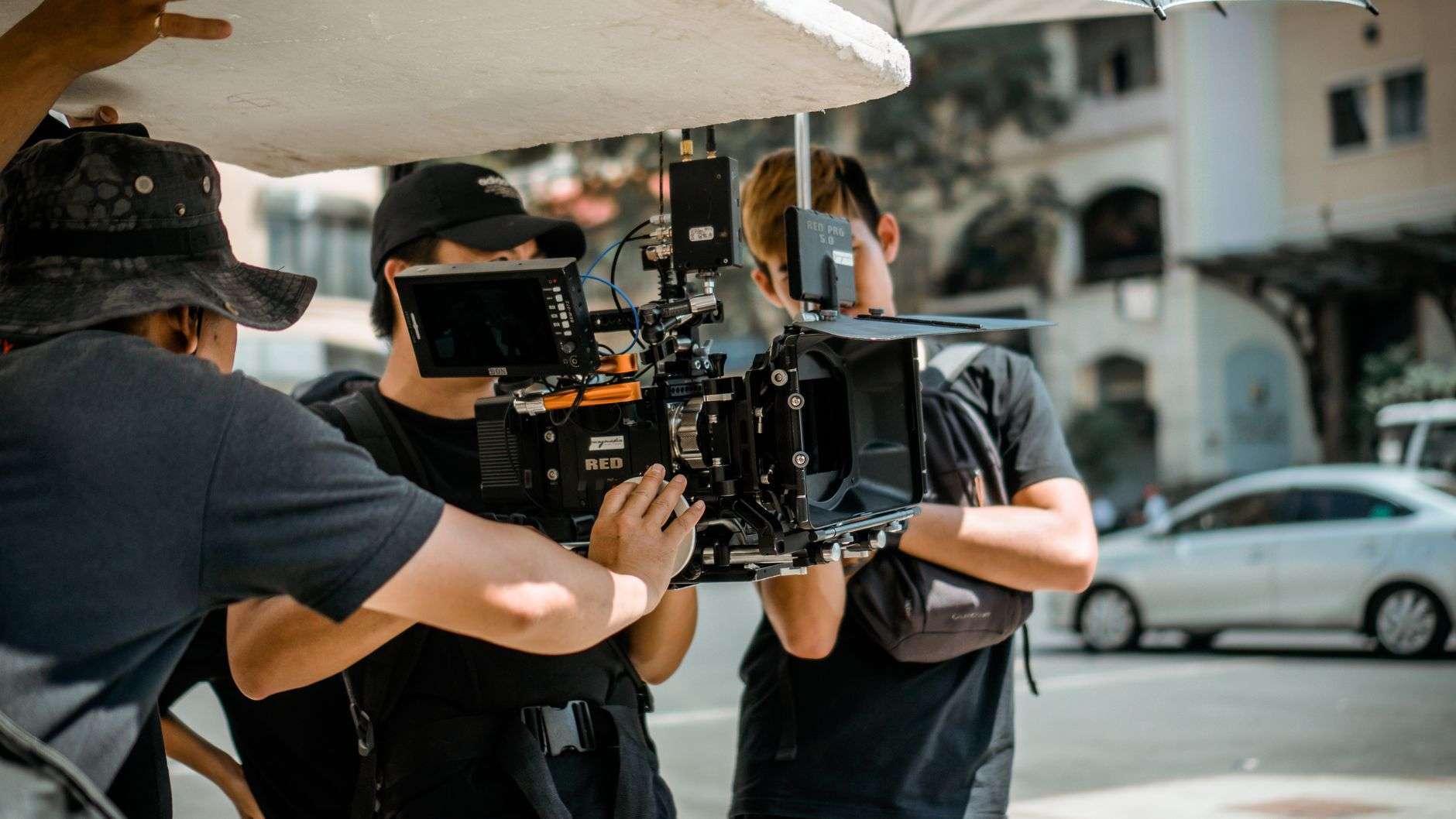
MOBILE, Ala. — When a movie crew rolls into the Port City to shoot on a downtown street, blow up a car or turn a neighborhood home into a set, the job has usually passed through a two-person office at City Hall first. On Tuesday, the Mobile Film Office made its case to the City Council that the work is paying off, from 426 television commercials to a new generation of student filmmakers.
Director Keli Shirazi walked members of the council’s Economic, Cultural & Civic Development Committee through the office’s recent output, its methods for recruiting productions and its growing partnerships with local schools during a working session on Sept. 29.
“We are lucky because Mobile is really like a backlot,” Shirazi told the committee.
By the numbers
Shirazi said the following productions filmed in Mobile during 2025 and 2026:
- 426 television commercials
- 25 student films
- 16 music videos
- 15 television show episodes
- 14 documentaries
- 7 movies
Feature films draw the headlines, but Shirazi said commercials are the steadier source of economic activity for the city.
“The commercials are dropping money into the city all the time,” she said.
Among the projects she highlighted was a documentary segment filmed in Mobile for the new Lucasfilm museum in Los Angeles, which she described as one of the office’s most exciting recent jobs.
Cold calls and a 1,000-property database
Shirazi said much of her work involves tapping the network of producers she built during her own years in the film industry. That means making cold calls to pitch Mobile, then standing ready to provide whatever a production needs once it shows interest.
One of the office’s key tools is a database of more than 1,000 properties across the region that could serve as filming locations. Shirazi said the list is broad enough to match anything from a reality television show to a horror film.
According to the city, the Film Office serves as a resource for locations and technical crews for productions of every size, including commercials, corporate and industrial videos, music videos, documentaries, television movies and feature films. If the location library does not have what a production is looking for, staff will photograph specific sites based on its needs, and for green-lighted feature films and television movies, a staff member will accompany scouts on location surveys. The office is based at 457 Church St. in downtown Mobile.
Why productions choose Mobile
Shirazi said her job is made easier by the city’s willingness to accommodate filmmakers, including closing streets and coordinating with other agencies.
“We have the ability to shut down streets,” she said. “We have the ability, with our community being so great to support whatever we want to do, we’re able to work with the schools to redirect traffic so they can film on Dauphin or do different things. We have the ability to blow up cars and all the fun things for action movies.”
She told council members that productions initially come to Mobile in part to take advantage of Alabama’s film incentives, which offer rebates on qualified production spending in the state. They come back, she said, because of the city’s cooperative approach and the comfortable environment it offers cast members. Actors, she said, can go out to dinner in Mobile without being bothered.
“That’s a really special thing that they don’t get other places,” she said.
Money that reaches beyond the set
Shirazi said film work benefits the local economy in both obvious and less visible ways. Crews fill hotel rooms and eat in local restaurants, but production budgets also reach property owners and small businesses that rent space to film crews.
She offered one example: a production that rented a therapist’s office for filming. According to Shirazi, the therapist used the payment to provide free therapy sessions for people without insurance.
Economic impact was one of the main questions committee chair and District 2 Councilwoman Samantha Ingram said she wanted answered when she scheduled the discussion. In announcing the meeting, Ingram said she planned to ask about local spending, jobs, productions brought to Mobile and whether residents are sharing in the benefits through employment, internships, vendor opportunities and partnerships with schools and colleges.
Building a local workforce, starting with students
Beyond recruiting productions, Shirazi said a large share of her time goes to working with the Mobile County Public School System and supporting student filmmakers.
The office selects a student film of the month and sponsors The Crescent Cut Student Film Showcase in partnership with the Crescent Theater, the historic single-screen venue at 208 Dauphin St. The showcase gives young filmmakers a chance to screen their work on the big screen for a community audience. This year’s edition was held July 27.
The Crescent Theater first opened in 1885 as a vaudeville house and later showed silent films. After decades as a restaurant space, it was reopened as an independent cinema in 2008, closed in 2023, and reopened in September 2025 under new operators with a focus on comedy, cinema and live arts.
Ingram said she was impressed by the reach of the office’s partnerships.
“I’m just sitting here amazed at these partnerships,” Ingram said.
Shirazi said the goal of the student programs is twofold: to show young people they can build careers in film without moving away, and to grow the pool of local crew members, which in turn makes Mobile more attractive to productions.
“You don’t have to go to L.A. to be a filmmaker,” she said. “You can do it here. … There are people who have been doing it here for 30-plus years, and so (we have) the opportunity to kind of showcase those people with them and give them the training and the support to grow and develop those skills.”
Why a local crew base matters
For productions deciding where to film, the availability of experienced local workers can be as important as scenery or incentives. Hiring grips, electricians, drivers, carpenters, caterers and production assistants locally saves out-of-town companies the cost of flying in and housing crews, and it keeps more of the production’s payroll in the community.
Alabama’s incentive program also offers a higher rebate rate on payroll paid to Alabama residents, giving productions a financial reason to hire locally when qualified workers are available. That is one reason film offices across the country have invested in training programs and student outreach: a deeper bench of local talent can become a selling point in its own right.
Part of a bigger creative economy push
The Film Office has worked in recent years to connect residents with the industry. In 2023 it hosted a Creative Industry Expo aimed at linking local talent and businesses with opportunities in film and media, and it has helped coordinate productions in neighborhoods including Theodore and West Mobile.
The broader Mobile region has a long history on screen. Its historic downtown, oak-lined neighborhoods and Gulf Coast scenery have drawn productions for decades, and the area’s creative community includes musicians, photographers, video producers and designers who can find work on film sets.
Competing with bigger neighbors
Mobile competes for productions with markets in neighboring states that have larger, long-established film industries, most notably Georgia and Louisiana. Alabama’s incentive program was designed to help the state compete for those projects, and local film offices like Mobile’s work alongside the state’s Alabama Film Office to persuade productions that are considering the state that a particular city has the locations, crews and support services they need.
For a small office, that competition often comes down to relationships and responsiveness, which is why Shirazi emphasized her industry contacts and the city’s readiness to accommodate requests that other places might refuse. The committee discussion was previewed earlier this week, when Ingram outlined the questions she planned to raise.
About the committee
The Economic, Cultural & Civic Development Committee is one of several City Council committees that hold working sessions with city staff on specific topics. Tuesday’s meeting was a working session, meaning council members gathered information and asked questions but took no formal action. Public comment is not taken at committee working sessions, though residents may speak during the public comment period of regular council meetings.
Information gathered in committee often shapes later council decisions on budgets, contracts and policies.
How to get involved
- Property owners interested in having a home or business considered as a filming location can contact the Mobile Film Office to be added to its location library.
- Local crew members, vendors and service providers can reach out to the office to be included in the resources it shares with productions.
- Student filmmakers can follow the office for information on its student film of the month and future Crescent Cut showcases.
- Contact: Mobile Film Office, 457 Church St., Mobile, AL 36602; 251-438-7102.
Looking ahead
Shirazi’s presentation painted a picture of an office that relies less on the occasional blockbuster than on a steady stream of commercials, television work and smaller projects, backed by a city willing to close streets and clear the way for cameras. Ingram said before the meeting that her goal was to make sure the city’s investments in its creative economy “create opportunities right here at home” — a standard the office will be measured against as it continues to court productions and train local talent.