

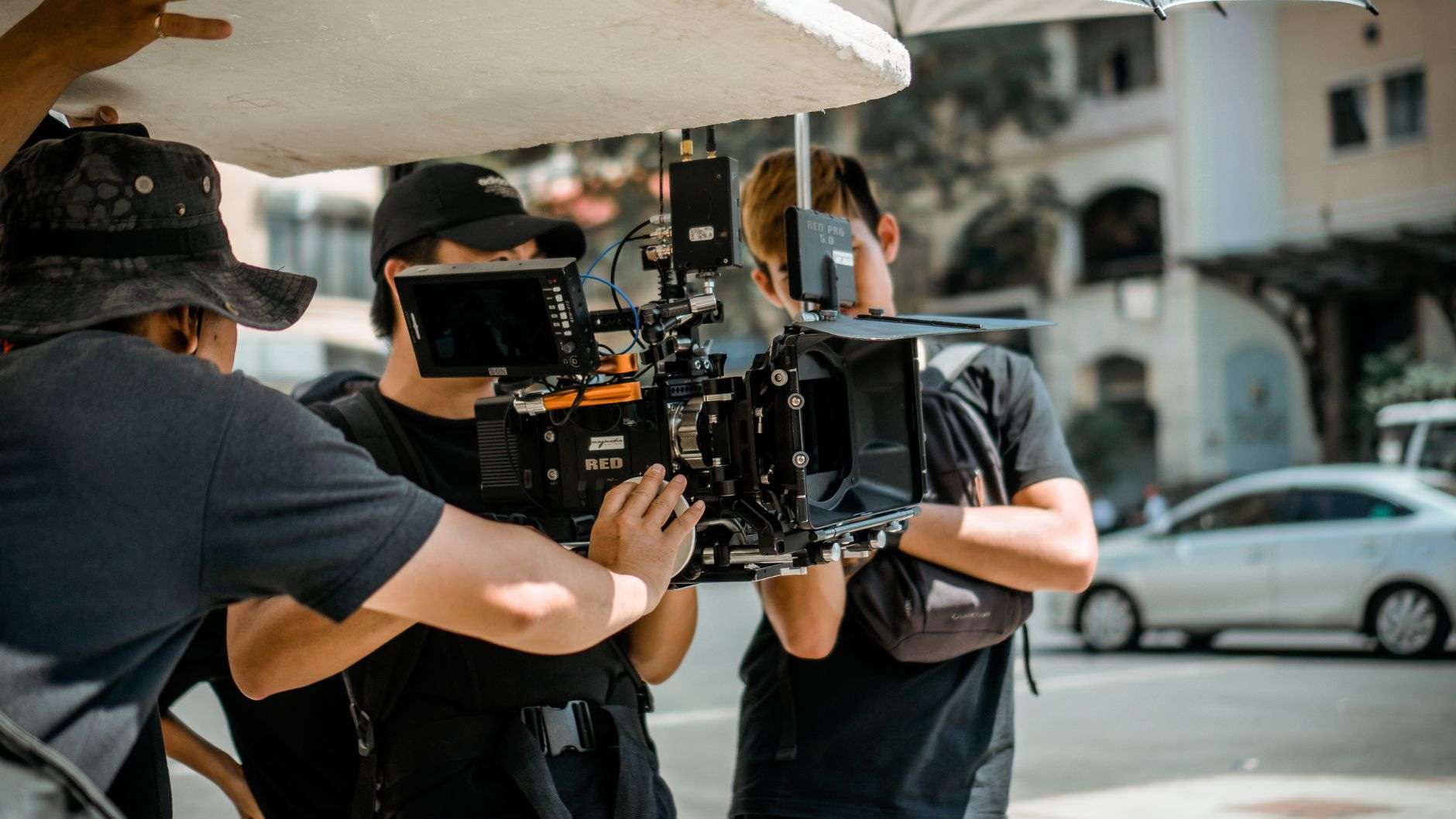
MOBILE, Ala. — Mobile has long played a supporting role on screen, lending its oak-lined streets, historic downtown and waterfront to movies, television shows and commercials. On Tuesday, the city’s Film Office will take center stage at City Hall.
The Mobile City Council’s Economic, Cultural & Civic Development Committee will meet Tuesday, Sept. 29, at 1 p.m. to discuss the City of Mobile Film Office, including what it does, how much economic activity it generates, and whether Mobile residents are sharing in the benefits of the region’s film industry.
District 2 City Councilwoman Samantha Ingram announced the meeting in her weekly email to constituents and said she plans to ask pointed questions about results and opportunities.
“There is a lot of opportunity for Mobile when we support our creative industries and the people who want to tell our city’s story,” Ingram wrote.
Meeting details
- What: Mobile City Council Economic, Cultural & Civic Development Committee meeting on the City of Mobile Film Office
- When: Tuesday, Sept. 29, 2026, at 1 p.m.
- Where: City Council Conference Room, 9th floor, South Tower, Government Plaza, 205 Government St., Mobile
- Format: Working meeting; public questions and comments will not be taken
What the committee will examine
According to Ingram, the discussion will be organized around several broad questions.
Purpose and services. Committee members will look at the purpose and role of the Film Office and the services it provides to filmmakers, production companies, local businesses and residents.
Economic impact. The committee plans to discuss the office’s economic impact, including local spending, jobs, productions brought to Mobile and opportunities created for local businesses.
Benefits for residents. Ingram said an important part of the conversation will be making sure residents are benefiting from the growth of the film industry. That includes employment and internship opportunities, workforce development, vendor opportunities, and partnerships with schools, colleges and community organizations.
“These are important questions as we look at how Mobile can continue growing its creative economy while making sure our residents have a seat at the table and an opportunity to benefit,” she wrote.
What the Film Office does
The Mobile Film Office is the city’s point of contact for film, television and video productions. According to the city, it serves as a resource for locations and technical crews available in Mobile, helping productions plan work in the city. It supports a wide range of projects, including commercials, corporate videos, music videos, documentaries and feature films.
Among its services, the office maintains a library of potential filming locations and can provide photographs of specific sites based on a production’s needs. For larger studio productions, a staff member can accompany location scouts as they tour possible sites. The office also helps connect productions with local technical labor, which can reduce costs for out-of-town companies and create work for local crew members.
Film offices like Mobile’s typically also help productions navigate city processes, such as permits for filming on public property, street closures, and coordination with police and other departments. That coordination can be critical when a production wants to film on a busy downtown street or in a public park.
Why film matters to local economies
When a production comes to town, its spending often reaches well beyond the set. Crews book hotel rooms, eat at restaurants, rent equipment and vehicles, buy lumber and supplies, and hire local workers such as drivers, carpenters, caterers, extras and security guards. Property owners may be paid to allow filming at their homes or businesses. Those dollars circulate through the local economy.
Productions also can have a longer-term effect on tourism. Fans sometimes travel to see locations where their favorite movies or shows were filmed, and a city’s appearance on screen can serve as a kind of advertising that reaches audiences around the world.
At the same time, cities and states that invest in film recruitment often face questions about return on investment. Critics in various parts of the country have argued that incentives and public spending sometimes cost more than the benefits they produce, or that many high-paying production jobs go to out-of-state workers. Ingram’s emphasis on local jobs, internships and vendor opportunities reflects those broader questions about who benefits most.
Alabama’s film incentives
At the state level, Alabama offers incentives to attract productions through the Alabama Film Office. The state’s entertainment industry incentive program provides rebates on qualified production expenditures, with a higher rate for payroll paid to Alabama residents. Those incentives are designed to make Alabama competitive with neighboring states such as Georgia and Louisiana, which have large and well-established film industries.
Local film offices like Mobile’s often work alongside the state office, helping productions that are considering Alabama decide whether Mobile has the locations, crews and support services they need.
Mobile on screen
Productions have been drawn to Mobile and the surrounding region for decades, attracted by its mix of historic architecture, Gulf Coast scenery and Southern character. Downtown streets have been transformed into sets, and neighborhoods in Mobile and surrounding communities, including Theodore and West Mobile, have hosted filming in recent years. The Film Office also hosted a Creative Industry Expo in 2023 aimed at connecting local talent and businesses with opportunities in film and media.
Mobile’s creative economy extends beyond film. The city is home to a growing community of musicians, artists, photographers, video producers and designers, many of whom could benefit from a stronger local production industry. Colleges and universities in the region offer programs in communications, media and the arts that can feed into that workforce.
Ingram’s focus on accountability
Ingram said her goal Tuesday is to understand what is working and where the opportunities are.
“I want to know what is working, where the opportunities are and, most importantly, how we can make sure Mobile residents are positioned to benefit,” she wrote. “I’ll be asking those questions Tuesday. This is about making sure our investments in Mobile’s future create opportunities right here at home.”
Ingram represents District 2, which includes a large portion of downtown and central Mobile. She has been active on a range of issues, including public safety, and recently pressed police about violence on Rickarby Street during a council committee discussion on downtown curfew challenges.
What is a working meeting?
Tuesday’s session is a committee working meeting, which means it is designed for council members to discuss issues in depth with city staff and gather information. The public is welcome to attend and observe, but public questions and comments will not be taken during the meeting.
Committee meetings allow council members to explore topics in more detail than is usually possible during regular council sessions, where agendas are often packed with resolutions and ordinances. Information gathered during committee discussions can later shape council decisions on budgets, contracts and policies.
How residents can weigh in
Although public comment will not be taken on Tuesday, residents who have thoughts about the Film Office, the local film industry, or opportunities for local workers and businesses can contact their district council member directly. Residents can also speak during the public comment portion of regular City Council meetings, following the council’s rules for public participation.
Those interested in working on productions, offering locations or providing services to film crews can also reach out to the Mobile Film Office to learn how to be included in the resources it provides to productions.
Looking ahead
The committee discussion comes as cities across the Gulf Coast compete for film and television projects and look for ways to grow creative industries that can bring new jobs and visitors. For Mobile, Tuesday’s meeting is a chance to take stock of what the Film Office has accomplished and to consider how its work can do more for the people who live here. As Ingram put it, the goal is to ensure the city’s investments “create opportunities right here at home.”