Mobile’s 911 Medical Dispatch Center Becomes 383rd in the World to Earn Accredited Center of Excellence Status
The Mobile Fire-Rescue Department's Communications Division has earned Accredited Center of Excellence status for emergency medical dispatch, becoming the 383rd center worldwide with the designation.
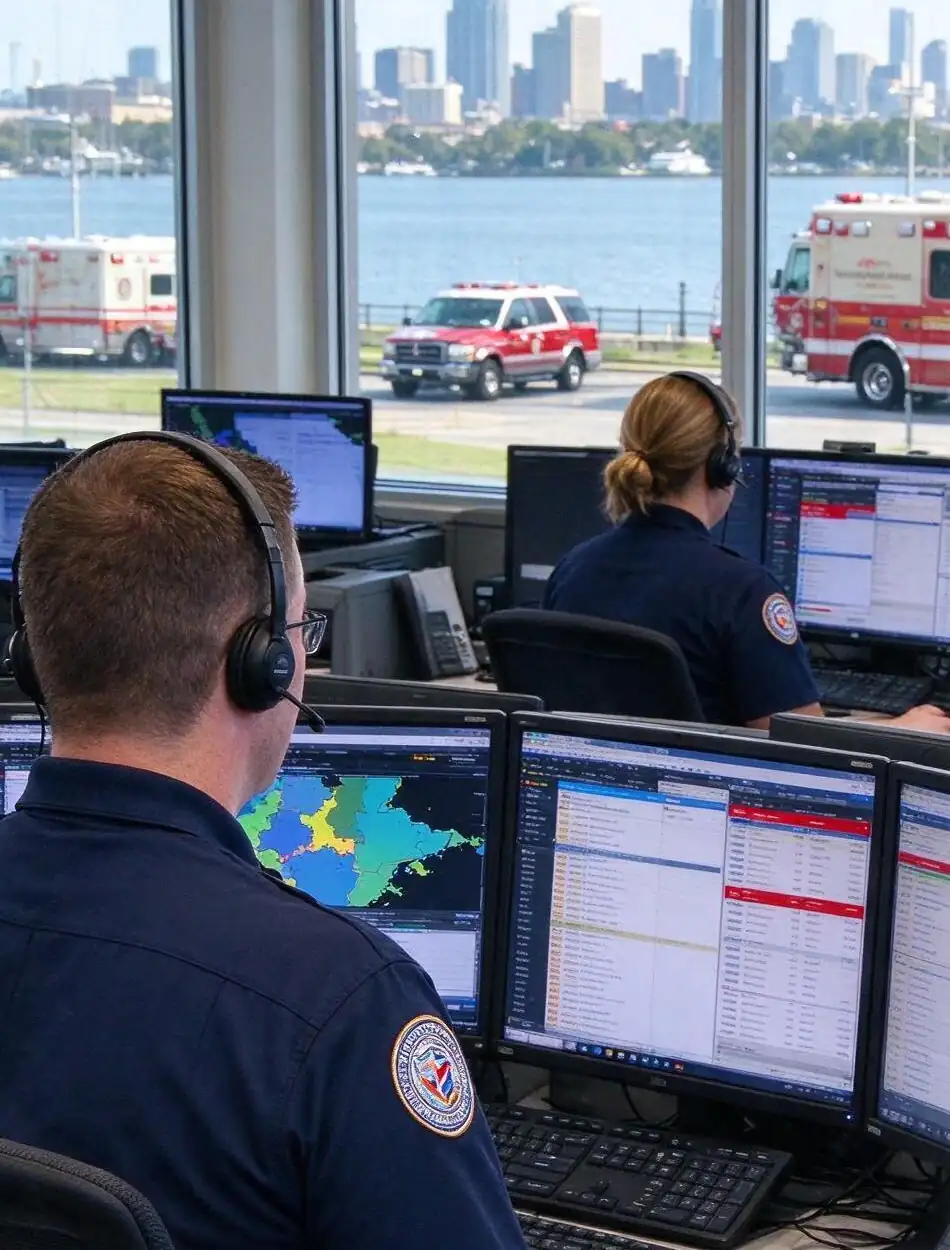
MOBILE, Ala. — When someone in Mobile dials 911 for a medical emergency, the person who answers now works in a dispatch center that has earned one of the most demanding quality credentials in the field. The Mobile Fire-Rescue Department’s Communications Division has been named an Accredited Center of Excellence, or ACE, for Emergency Medical Dispatch by the International Academies of Emergency Dispatch, known as IAED.
Only 382 emergency dispatch centers around the world had reached that specific designation before Mobile, making the city’s center the 383rd. The department also said it is now one of just three agencies in the country holding ACE for emergency medical dispatch along with ISO-1, CAAS and CPSE credentials, often shortened to EMD.
A Top Mark for a 911 Center
The department describes ACE as the highest level of recognition available to an emergency communications center or public safety answering point, the technical term for the facility that first receives 911 calls. Earning it places Mobile alongside a select group of centers internationally that have met the academy’s quality benchmarks.
City leaders praised the dispatchers who made it happen. Fire department leadership said the title reflects the skill and daily commitment of the people who answer the phones, and that it shows residents can count on expert help from the first voice they hear when they call for help. City public safety leadership said Mobile was excited to see its medical dispatch team recognized on a global level, noting that the calm, precise work of dispatchers starts the lifesaving process before EMTs and paramedics reach a patient.
How the Department Earned It
Getting accredited required the Communications Division to go through an extensive evaluation. Reviewers examined the center’s quality assurance records, how closely its dispatchers follow internationally recognized medical protocols, and a series of performance and compliance measurements.
The department said the work took about nine months and involved training, policy development, steady review of incoming 911 medical calls and constant fine-tuning of operations. Capt. Justus Browning, who led within the Communications Division during that period, was later named the department’s Firefighter of the Month for October 2026 in recognition of his role.
Daily auditing was the engine
According to the department, the decisive factor was its in-house quality assurance program. Staff audit calls every day and enforce the academy’s standards closely, and that discipline both pushed the center to accreditation and is what will allow it to hold on to the title.
Not a One-Time Inspection
Many accreditations are built around periodic site visits or a yearly review of paperwork. ACE works differently. It is tied to ongoing performance, so the center is effectively being graded all the time, and the bar for compliance is set high.
The academy requires accredited centers to keep up strict quality control through routine reviews of individual cases, using software tools such as ProQA, which guides dispatchers through standardized questions and instructions during a call, and AQUA, which is used to score and review recorded calls. Centers must keep showing strong compliance with operating protocols, provide continuing training for dispatchers and maintain both medical and administrative oversight of the program.
What Emergency Medical Dispatch Does
Emergency medical dispatch is the structured process a 911 telecommunicator follows when a caller reports a medical problem. Instead of improvising, dispatchers work through a set series of questions designed to quickly pinpoint what is wrong, how serious it is and what level of response is needed. That information shapes which units are sent and how urgently.
Just as important, dispatchers give callers instructions to follow while help is on the way. Depending on the situation, that can mean coaching a bystander through chest compressions, explaining how to control heavy bleeding, guiding someone through helping a choking victim or telling a caller how to position a patient. In time-sensitive emergencies such as cardiac arrest, those first few minutes of guidance can make a significant difference before an ambulance or fire engine arrives.
Quality assurance programs check whether dispatchers are asking the right questions in the right order and giving the correct instructions. Reviewing calls regularly helps catch errors, identify training needs and keep performance consistent from shift to shift.
The Other Credentials
The department pointed out that it now pairs ACE with several other recognitions. CAAS stands for the Commission on Accreditation of Ambulance Services, which accredits medical transport and EMS providers. CPSE is the Center for Public Safety Excellence, which oversees accreditation of fire and emergency service agencies. ISO-1 typically refers to a Class 1 rating, the best possible score, in the Public Protection Classification system that the insurance industry uses to grade community fire protection.
What Comes Next
Mobile Fire-Rescue will hold the medical dispatch accreditation for three years. After that, the center must go through a reaccreditation review to keep it.
The Communications Division is not stopping there. Its staff are now preparing to pursue the same ACE status for Emergency Fire Dispatch, which covers how dispatchers handle and triage fire-related calls.
At a Glance
- Agency: Mobile Fire-Rescue Department Communications Division
- Accreditation: Accredited Center of Excellence for Emergency Medical Dispatch
- Awarded by: International Academies of Emergency Dispatch
- Ranking: 383rd dispatch center worldwide with this designation
- National distinction: One of three U.S. agencies pairing ACE for EMD with ISO-1, CAAS and CPSE
- Term: Three years, then reaccreditation review
- Next goal: ACE for Emergency Fire Dispatch
Tips for Calling 911
- Give your location first, including a street address, cross streets or landmarks.
- Stay calm, listen and answer each question. Help is often being dispatched while the questions continue.
- Follow the dispatcher’s instructions and do not hang up until you are told to.
- If possible, unlock the door, turn on outside lights and secure pets so crews can get to the patient quickly.
- If you dial 911 by accident, stay on the line and explain so dispatchers do not have to follow up.