Mobile Prosecutor Clay Rossi: Questions Mount Over Rapid Rise and Alleged Vendettas
Critics question how Clay Rossi rose from a small claims practice to lead white-collar prosecutor in Mobile County and allege he pursues vendettas.
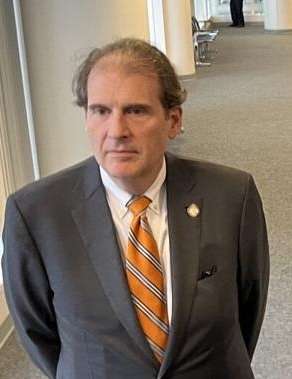
Clay Rossi launched his legal career in Mobile as a low-profile solo attorney, slogging through routine civil disagreements and small claims matters that were often worth only a few hundred dollars. Now, he occupies a position of considerable power as the lead prosecutor for white-collar crime in the Mobile County District Attorney’s Office, where he investigates and prosecutes intricate multimillion-dollar fraud operations, public corruption cases, and sophisticated financial offenses.
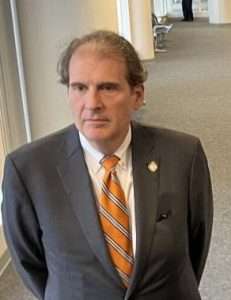

This striking evolution has sparked broad skepticism and pointed questions throughout Mobile’s legal community: How does an attorney with a thin record in private practice, who reportedly struggled to gain traction and ultimately shuttered his own firm, leap into one of the most coveted and influential prosecutorial positions in the county? The distance between his humble start and his current standing has left many asking what relationships or circumstances made such a rapid rise possible.
Humble Origins and the Climb to Authority
In his earlier days, Rossi handled ordinary civil litigation and low-stakes matters that seldom drew attention or involved significant sums. Detractors say his private practice was anything but flourishing, pointing to alleged shortcomings in how he managed cases as a central reason for its eventual shutdown. Despite that background centered almost entirely on small-scale work for himself, Rossi landed a prominent role in the DA’s office around 2018, charged with rebuilding and heading the white-collar crime division.
While allies might cite his commitment, critics contend the promotion raises troubling questions about merit versus favoritism. Observers wonder how someone used to handling minor claims suddenly becomes qualified to navigate the complex legal and evidentiary demands of multimillion-dollar investigations involving companies, public officials, and high-value fraud.
A Pattern of Alleged Abuse: Political Witch Hunts and Personal Vendettas
Based on numerous complaints and accounts from those familiar with his work, Rossi has repeatedly been accused of weaponizing his prosecutorial authority. Rather than pursuing impartial justice, critics say he has targeted political adversaries of the District Attorney as well as his own personal enemies carried over from his private practice days.
People in the community describe a pattern of selective prosecution that feels more like political retribution than legitimate law enforcement. These alleged “witch hunts” have reportedly ensnared individuals who crossed paths with Rossi or the DA’s office politically, with cases that some view as overzealous or poorly constructed. Detractors openly call him incompetent in his prosecutorial methods, suggesting the same shortcomings that hampered his private career now manifest as aggressive but flawed case handling at public expense.
One of the most disturbing allegations involves Rossi’s habit of injecting himself into civil litigation. Multiple sources accuse him of showing up unannounced or uninvited to civil lawsuit hearings, interjecting his presence in an attempt to drum up criminal charges and transform ordinary civil disputes into full-blown criminal prosecutions. This blurring of civil and criminal lines, critics argue, represents a dangerous overreach that undermines the fairness of the justice system.
The Divorce Case: Vendetta on Full Display
A particularly troubling example revolves around a bitter divorce proceeding in which a couple was dissolving both their marriage and a business they had built together. According to detailed accounts, Rossi personally appeared at the civil case hearings and attempted to pressure one of the parties into providing evidence and testimony against the other. His goal, sources claim, was to build a criminal case and launch a political prosecution.
What makes the incident especially alarming is the alleged personal motive behind it. Although both parties in the divorce were said to have engaged in questionable behavior, Rossi reportedly harbored a long-standing vendetta against one of them. He had previously lost a small claims case against that individual during his time in private practice. Insiders say Rossi viewed the high-conflict divorce as a golden second chance to settle the score, leveraging his newfound prosecutorial power to pursue revenge under the color of law. This case, according to critics, perfectly illustrates how personal grudges may be influencing official decisions with life-altering consequences.
Coercive Plea Tactics and Further Complaints
Beyond civil interference, Rossi stands accused of employing heavy-handed negotiation tactics. Complaints allege he has repeatedly attempted to make deals with individuals facing potential charges — offering to drop criminal cases or refrain from filing them altogether — in exchange for testimony or cooperation against other targets. While plea bargaining is a standard prosecutorial tool, detractors insist Rossi deploys it selectively and manipulatively, pitting people against each other to advance personal or political agendas rather than seeking truth or justice.
These practices, combined with the other allegations, have painted a picture of a prosecutor more interested in ruining lives and scoring wins than in even-handed enforcement of the law. Affected individuals and their attorneys have voiced serious concerns that innocent people or those involved in minor matters are being swept up in aggressive campaigns.
The Catholic Author: Faith, Books, and Accusations of Hypocrisy
Adding another layer to the controversy, Clay Rossi has positioned himself publicly as a devout practicing Catholic. He has authored and published multiple books available on Amazon, including works aimed at lawyers that blend faith with legal practice. In these writings, he presents guidance on maintaining a Catholic identity while navigating the demands of the legal profession.
However, many in the Mobile community see a profound disconnect between his self-image and his alleged actions. Critics point out the sharp irony of a prosecutor accused of vindictive, life-ruining tactics teaching others how to adopt the ruthless daily mindset of someone who destroys lives in the courtroom — all while professing Catholic values and a path to heaven. This juxtaposition, they argue, reveals a fundamental ethical failing. For a man who writes about moral conviction and saintly examples, the reported pattern of vendettas, overreach, and selective targeting strikes many as the antithesis of the religious ethics he claims to uphold.
Growing Calls for Accountability
The breadth and consistency of these complaints — ranging from questions about his professional competence and unexplained rise, to allegations of civil meddling, personal revenge, and coercive tactics — have fueled growing unease in Mobile. While no formal disciplinary actions have been publicly confirmed against Rossi, the volume of concerns cannot be easily dismissed.
Prosecutors wield immense power: the ability to investigate, charge, negotiate pleas, and dramatically impact reputations, businesses, and freedoms. When that power appears tainted by politics, personal animosity, or incompetence, it erodes public trust in the entire justice system. Residents of Mobile deserve transparency and assurance that white-collar prosecutions are driven by evidence and fairness, not grudges or political convenience.
As Clay Rossi continues to lead high-profile investigations, pressure is mounting for greater oversight. The judiciary, the Alabama State Bar, and elected officials should take a close look at these serious allegations. In a democracy, no prosecutor should be above scrutiny — especially one whose rapid rise and methods have raised so many troubling questions.
Mobile is watching closely. The integrity of its justice system may depend on getting answers.