Hurricane Isaias Relief: GoFundMe Gears Up as Experts Warn Donors to Watch for Scams
GoFundMe says it is verifying Hurricane Isaias relief campaigns quickly, and experts urge donors to check organizations with the Better Business Bureau before giving.
MOBILE, Ala. — As fundraising appeals for Hurricane Isaias victims start to appear on social media and crowdfunding sites, people who want to help are being urged to slow down and make sure their money reaches someone who really needs it. GoFundMe says it is preparing for a wave of Hurricane Isaias relief campaigns and working to verify them quickly, while consumer experts say donors should check out any organization before giving.
Leigh Lehman of GoFundMe said it is “all hands on deck” at the company during weather events like Isaias, so it can make sure donations go to the right place.
Lehman said GoFundMe knows there are bad actors, and the organization works to verify campaigns quickly so that people who are truly in need can get relief.
“We know that in these moments, getting those funds can be really critical. So, we want to make sure that we’re set up to meet this moment. And I believe all of our years of experience responding to disasters potentially such as this,” Lehman said.
Why storms bring scams
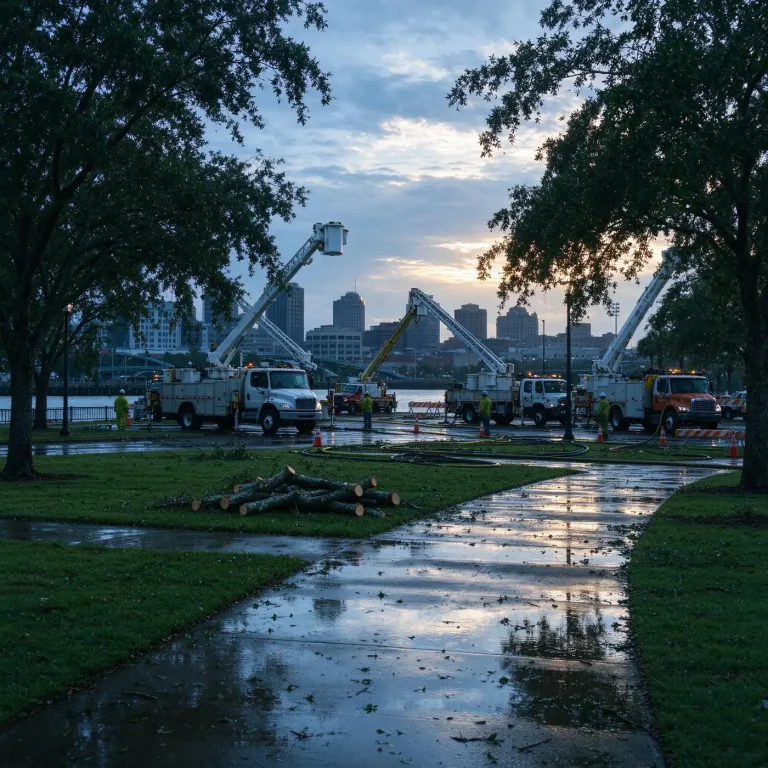
Isaias came ashore near Destin, Fla., on Friday, Oct. 9, as a Category 2 hurricane, then raced north across Alabama. It was blamed for four deaths in Alabama and Florida, knocked out power to hundreds of thousands of customers and caused heavy damage in parts of the western Florida Panhandle and the Alabama Wiregrass. Coastal Alabama was spared a direct hit, but Mobile and Baldwin counties still saw downed trees, damaged roofs and widespread outages.
That kind of damage brings an outpouring of generosity, and it also brings people who try to exploit it. Consumer protection agencies warn every hurricane season that fake charities and phony fundraisers tend to appear quickly after a disaster, often using emotional photos, urgent language and names that sound like well-known relief groups. Some impersonate real victims or copy photos and stories from news coverage.
How to check before you give
Experts say donors who want to give to organizations doing disaster relief work can check with the Better Business Bureau to confirm that a group is legitimate. The BBB’s Wise Giving Alliance evaluates national charities against a set of accountability standards and publishes its reports online at Give.org.
Other steps consumer protection agencies such as the Federal Trade Commission commonly recommend include:
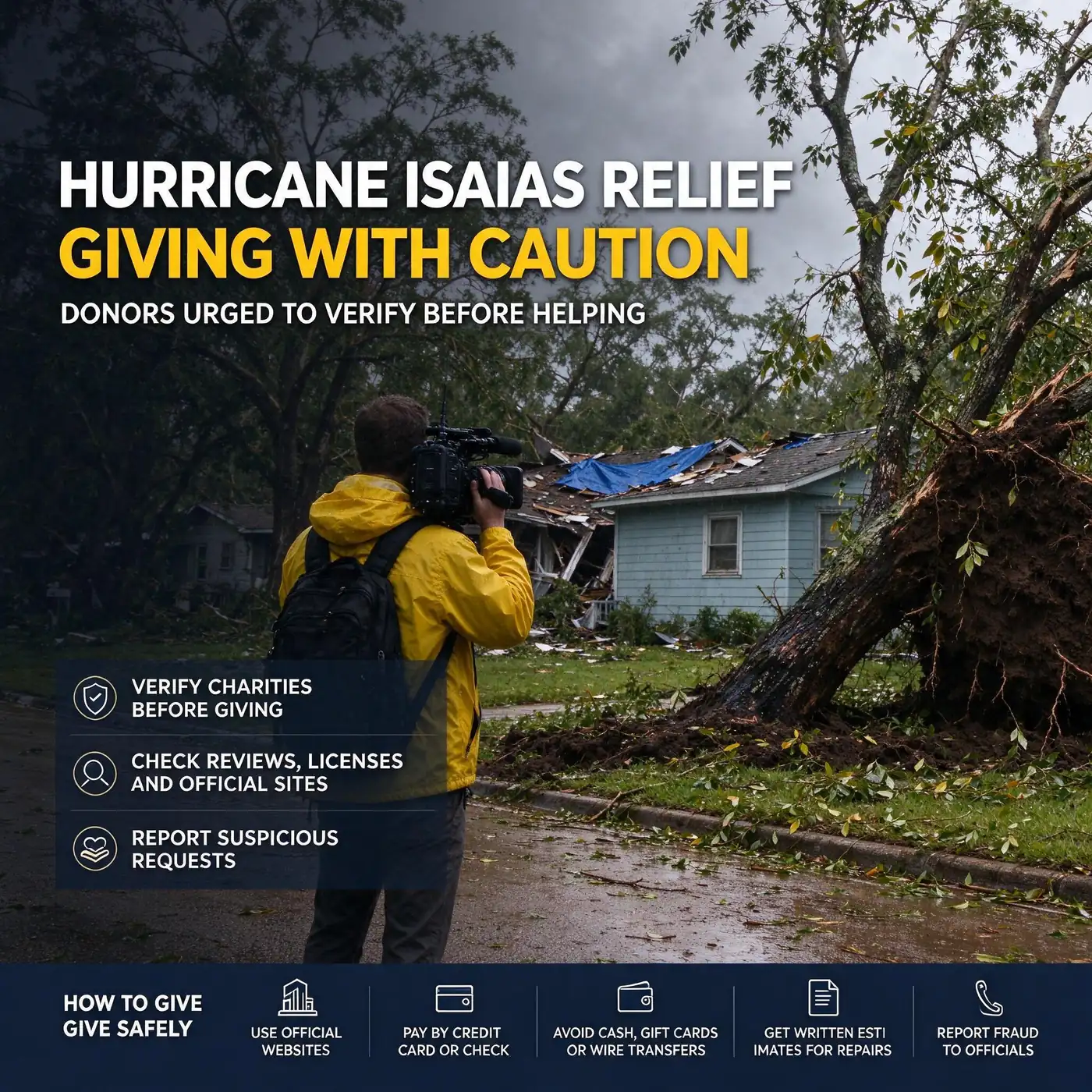
- Research the organization. Search its name along with words like “scam” or “complaint,” and look it up with charity evaluators such as the BBB Wise Giving Alliance, Charity Navigator or CharityWatch.
- Confirm tax-exempt status if it matters to you. The IRS Tax Exempt Organization Search tool shows whether a group is eligible to receive tax-deductible contributions. Gifts to individuals through crowdfunding generally are not tax-deductible.
- Be wary of pressure. Legitimate charities will not insist that you give immediately.
- Watch how you pay. Be suspicious of anyone who asks for donations by cash, gift card, wire transfer or cryptocurrency. Paying by credit card or check is safer and creates a record.
- Don’t trust a familiar-sounding name. Scammers often pick names that closely resemble those of established relief organizations.
- Give through the source. Instead of clicking a link in a text, email or social media post, go directly to the organization’s own website.
Tips for crowdfunding campaigns
Crowdfunding can get money to a family quickly, which is why it has become common after hurricanes, house fires and other emergencies. It also carries different risks than giving to an established charity, because donors are often relying on a stranger’s word.
Donors considering a crowdfunding campaign can reduce their risk by:
- Giving to campaigns started by people they know personally, or that are shared by someone they know who can vouch for the organizer.
- Checking whether the campaign explains clearly who is organizing it, who will receive the money and how it will be used.
- Looking at whether the organizer and beneficiary are connected, and whether the campaign is updated with information about how funds are being spent.
- Reading the platform’s own policies on refunds and fraud protection before giving.
- Reporting a campaign to the platform if something seems wrong.
Where local help is already organized
Several established organizations were already collecting donations and recruiting volunteers for Isaias relief in south Alabama before the storm made landfall.
United Way of Southwest Alabama, which serves Mobile, Washington, Clarke and Choctaw counties, activated its disaster response plan and opened a Hurricane Isaias relief fund through its Community Crisis Fund. It is also signing up volunteers through its Volunteer Connect system and runs the 2-1-1 line that connects residents with food, shelter, housing and utility assistance.
The American Red Cross has more than 140 volunteers staging along the Alabama coast, moving supplies and supporting shelters. The organization says it is focused on damage assessment and distributing meals and relief supplies, and it accepts donations to its Disaster Relief fund online, by phone at 1-800-RED CROSS or through its mobile app.
In Mobile County, the Crisis Cleanup hotline, at 1-800-451-1954, connects residents who need help with minor storm cleanup with volunteer groups coordinated through the county’s Voluntary Organizations Active in Disasters network and Rebuilding Together South Alabama.
Emergency managers generally advise that cash donations to established relief groups are the most useful way to help, because they let organizations buy exactly what is needed close to the disaster area. Donated goods such as used clothing can pile up and require volunteers to sort and store them. People who want to volunteer in person are urged to register with an organized group rather than traveling into damaged areas on their own, where they can get in the way of utility and debris crews.
Watch for repair scams, too
Fake charities are not the only post-storm risk. Residents whose homes were damaged should be wary of unlicensed contractors who go door to door, demand large payments up front or pressure homeowners to sign contracts quickly. Officials recommend getting written estimates, checking licenses and references, and photographing damage before repairs begin for insurance purposes.
Alabama’s price gouging protections remain in effect during the state of emergency Gov. Kay Ivey declared ahead of the storm. Residents who believe they have been overcharged for essential goods or services, or who suspect a charity scam, can report it to the Alabama Attorney General’s Office. Fraud can also be reported to the Federal Trade Commission at ReportFraud.ftc.gov.
The bottom line, consumer advocates say, is that generosity and caution go together. A few minutes of checking can make sure a gift intended for a family recovering from Isaias actually gets to them.