MOBILE, Ala. — Mayor Spiro Cheriogotis said Monday evening that Mobile was fortunate to avoid the worst of Hurricane Isaias, and he thanked the utility workers and Mobile storm crews who spent the weekend restoring power, clearing roads and keeping residents informed after the storm.
Writing in his Good Evening Mobile newsletter on Oct. 12, Cheriogotis credited the hurricane’s late shift to the east before it made landfall near Destin, Fla., with sparing much of the city from the storm’s most severe impacts. He said the city had been ready to respond and expressed gratitude that Mobile came through without more serious damage.
Power crews worked through the weekend
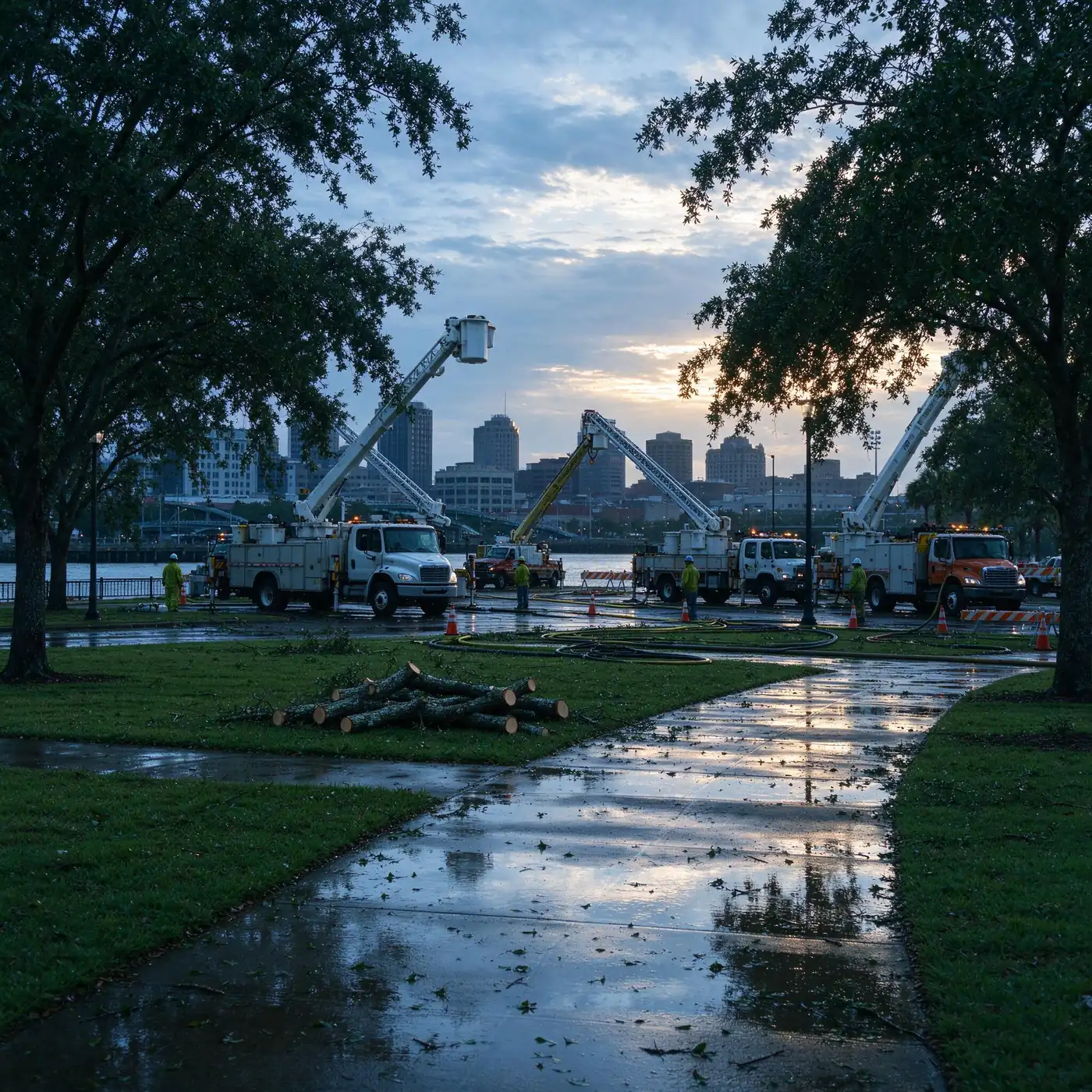
Some Mobile residents were still without electricity on Sunday, the mayor acknowledged, but he said Alabama Power had restored service to most of the customers who lost it, and he praised the company’s crews for working throughout the weekend.
The numbers reported over the weekend show how quickly the outages shrank. Statewide, more than 390,000 Alabama Power customers lost service after Isaias moved through, and the company said it had restored about 90% of them by Sunday morning, with help from more than 7,400 additional workers from 25 states. City spokesman Dale Liesch said Sunday morning that fewer than 1,000 Alabama Power customers inside the Mobile city limits remained in the dark, and the company’s outage map projected the remaining Mobile-area customers would be restored by late Monday.
“We appreciate the tireless effort Alabama Power crews have made to restore power to our city since Hurricane Isaias made landfall,” Liesch said Sunday.
City departments recognized
Cheriogotis also singled out employees in four city departments:
- Engineering
- Resilience
- Public Services
- Public Safety
The mayor said those employees provided storm updates, helped keep residents informed and began clearing debris from streets and roadways once the hurricane passed.
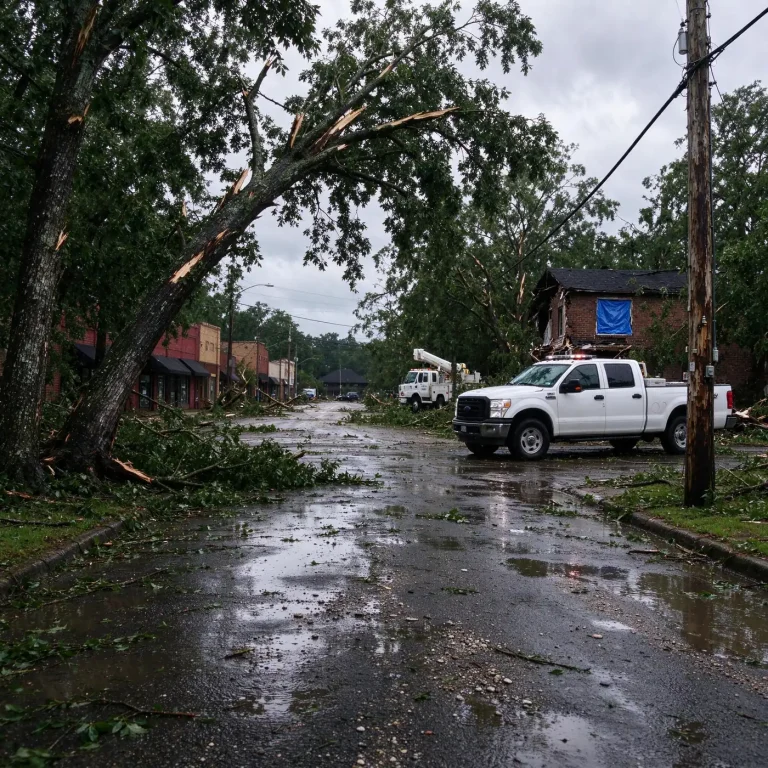
Public safety crews were busy even before Isaias made landfall. Mobile Fire-Rescue responded to more than 200 calls and nearly 70 tree-related incidents during the storm, and crews assessing damage Saturday morning reported power lines down in many parts of the city. Trees had fallen across neighborhood streets as early as Friday afternoon, prompting the city to warn drivers to stay off local roads until the storm had fully passed.
How Mobile prepared
The mayor’s note of thanks capped a week in which the city moved through several stages of emergency response:
- A civil emergency: Mobile declared a civil emergency as Isaias approached, closing city offices on Friday, Oct. 9.
- Shelters: Mobile County opened hurricane shelters at Baker High School, Theodore High School and Collins-Rhodes Elementary School in Eight Mile, which had served about 50 people by Friday afternoon.
- A curfew: The city imposed a general curfew from 7 p.m. Friday until 6 a.m. Saturday, Oct. 10, so police, firefighters and other city staff could safely reach neighborhoods and survey damage.
- Cleanup: The curfew ended on schedule Saturday morning, and crews began clearing debris as residents stepped outside to assess their own property.
As the storm closed in Friday, Cheriogotis asked residents to find a safe place to ride out the storm and stay there. “Our dedicated crews and public safety personnel stand ready to assist in clean-up efforts as soon as Isaias has safely passed through our area,” he said at the time.
Why Mobile was spared
Isaias strengthened into a Category 3 hurricane Friday morning before weakening slightly and coming ashore near Destin at about 8:30 p.m. as a Category 2 storm with maximum sustained winds of 105 mph. Because the center crossed the coast well east of Mobile Bay, most of the heaviest rain and the highest storm surge fell to the east of the city.
Forecasters had warned that an unusual band of strong winds known as a sting jet could bring stronger-than-normal gusts to the storm’s western side. That band ultimately did its worst damage inland and east of Mobile, across Escambia County, Fla., and Escambia, Conecuh and Monroe counties in Alabama. Mobile itself recorded only about an inch of rain, and the lawns of Cooper Riverside Park on the downtown riverfront showed little sign of surge on Saturday morning.
That track is what the mayor referred to when he described the storm’s late eastward shift. A difference of a few dozen miles in a hurricane’s landfall point can determine whether a city sees scattered tree damage or widespread destruction.
Prayers for Florida
Cheriogotis ended his message by offering thoughts and prayers for Florida residents recovering from the hurricane, wishing them strength, comfort, safety and hope as their communities begin to rebuild.
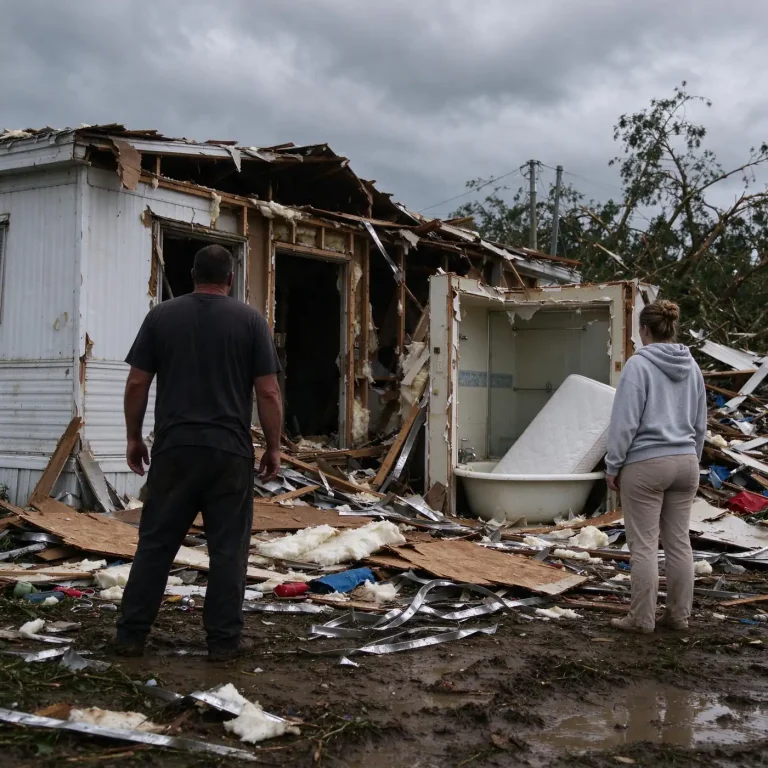
The Florida Panhandle bore the brunt of Isaias. Florida Gov. Ron DeSantis confirmed two storm-related deaths over the weekend, one when a tree fell on a home in Escambia County, Fla., and another involving a generator running in a garage. In Alabama, two deaths were blamed on the storm, one in Birmingham and one in Barbour County. Closer to home, Brewton and the rest of Escambia County, Ala., were among the hardest-hit communities in the state.
What Mobile residents should do now
With most of the city’s power restored and a dry, sunny week in the forecast, the focus in Mobile has shifted to cleanup. Residents can help crews and protect themselves by following standard post-storm guidance:
- Report hazards. Call 911 for emergencies, including downed lines that are sparking or blocking roads, and use the city’s 311 service for non-emergency problems such as fallen trees in the right of way.
- Stay clear of power lines. Assume every downed wire is energized, and keep children and pets away.
- Use generators safely. Run them outdoors, far from doors, windows and vents.
- Pace yourself in the heat. Afternoon highs near 90 degrees are expected through midweek, so drink water and take frequent breaks while clearing debris.
- Watch for scams. Be cautious of door-to-door contractors and anyone claiming to represent FEMA who asks for money.
The mayor’s message made clear that city leaders see Isaias as a near miss, and one that tested the planning and response the city had in place. For residents who spent part of the weekend without power or clearing limbs from their yards, the storm was still a disruption. But compared with communities to the east, Mobile came through largely intact.