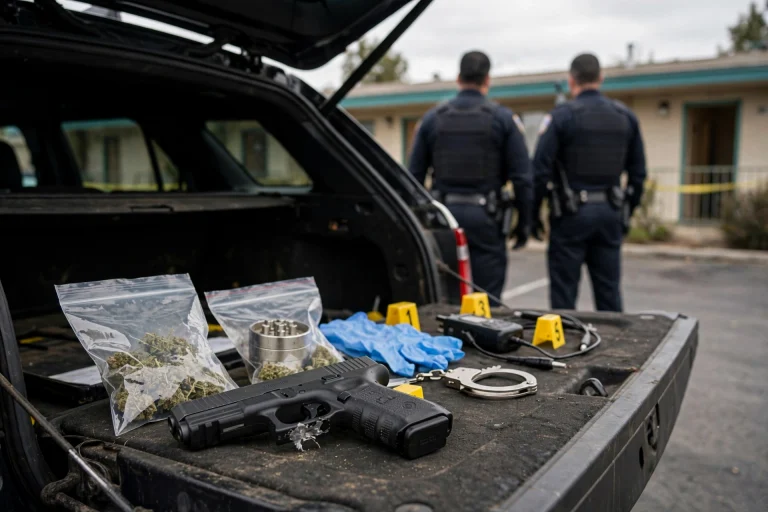
Morris Linson Jr. Rape Trial Opens in Mobile as Prosecutors Lean on DNA, Video Evidence
Testimony began Tuesday in Mobile in the first-degree rape trial of Morris Linson Jr., 39, with prosecutors relying on DNA and surveillance video and the defense stressing the state’s burden of proof.
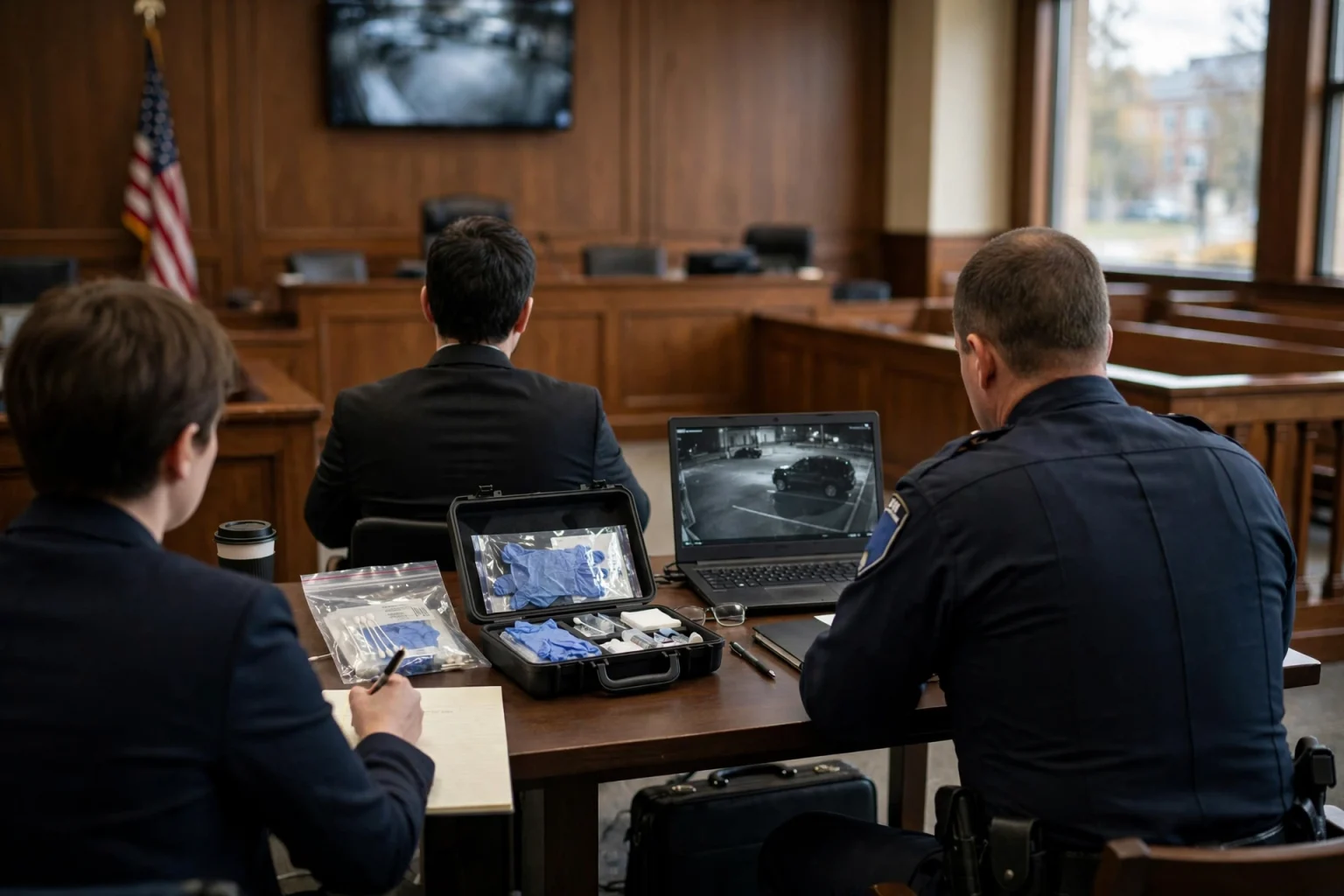
MOBILE, Ala. — A Mobile County jury began hearing testimony Tuesday in the first-degree rape trial of Morris Linson Jr., a case in which prosecutors say forensic evidence will tell jurors what the woman at the center of the case cannot remember.
Linson, 39, is accused of taking a young woman who was incapacitated from intoxication from a Mobile bar parking lot in September 2021, sexually assaulting her and later leaving her in a parking lot on the University of South Alabama campus. He has denied having sex with her. The charge is an accusation, and Linson is presumed innocent unless and until the state proves its case beyond a reasonable doubt.
Testimony was scheduled to resume Wednesday.
A license plate on campus
Among the first witnesses was Phil Fishel, chief of the University of South Alabama Police Department. Fishel described for jurors how investigators followed the license plate of a Chevrolet Equinox that drove onto the campus in September 2021.
According to the testimony, the driver of that SUV left the woman in a campus parking lot and drove away. Investigators ultimately connected the Equinox to Linson, who was later charged with first-degree rape.
The prosecution’s opening: “That’s the part she remembers”
In her opening statement, Mobile County Assistant District Attorney Jessica Catlin acknowledged that the woman recalls very little of the night. Catlin told jurors the woman remembers going to Troubadours Country Saloon, where she became drunk even though she was not old enough to legally drink.
“That’s the part she remembers,” Catlin said.
The prosecutor said the gaps in the woman’s memory would be filled by physical and digital evidence. According to Catlin, a sexual assault examination confirmed that the woman had been raped, and a DNA test conducted later matched Linson.
Catlin also described surveillance video from the bar that she said shows Linson’s vehicle arriving in the parking lot. She told jurors Linson never went inside the business. Instead, she said, he waited until the woman’s friends, who had placed her in a vehicle after she passed out, stepped away. Catlin said Linson then “flipped” the woman over and moved her into his Equinox.
Prosecutors say his statements don’t match the evidence
Catlin told jurors that the account Linson gave investigators when he was questioned conflicts with both the video and the physical evidence.
According to the prosecutor, Linson told police that he asked the woman whether she needed a ride, and that she climbed out of the vehicle where her friends had left her and walked over to his Equinox on her own. Catlin said Linson also told investigators that the woman asked him to take her to the University of South Alabama, a school the prosecutor said the woman did not attend.
Catlin added that the DNA results undercut Linson’s statement that he never had sexual intercourse with the woman.
The defense: “Nobody really has the full picture”
Defense attorney Megan Allgood, who before trial had asked the court to throw out evidence in the case without success, used her opening statement to focus jurors on what is not known about that night.
Allgood noted that only one person was present for everything that happened: the woman herself.
“Unfortunately, she does not remember the overwhelming majority of it,” Allgood said.
She urged jurors to keep in mind throughout the trial that prosecutors carry the burden of proving their case beyond a reasonable doubt. Allgood told the panel the evidence would show that the investigation was marked by “chaos” and that it remains unclear exactly what took place.
“Nobody really has the full picture,” she said.
What jurors will be asked to decide
Opening statements are not evidence. They are each side’s preview of what it expects the testimony and exhibits to show, and jurors are instructed to base their verdict only on the evidence admitted at trial and the judge’s instructions on the law.
In Alabama, as in every American criminal court, the defendant does not have to prove anything. The burden rests entirely on the prosecution, which must convince jurors of each element of the charge beyond a reasonable doubt. A defendant may choose whether to testify, and jurors may not hold a decision not to testify against him. In a felony case in Alabama, a guilty verdict must be unanimous.
First-degree rape is a Class A felony under Alabama law, the most serious category of felony in the state’s criminal code. A Class A felony conviction carries a possible prison sentence ranging from 10 years to life.
Background: forensic evidence in cases with limited memory
The case highlights a situation that investigators and prosecutors encounter in sexual assault cases involving alcohol: a person who was heavily intoxicated may have little or no memory of what happened, leaving investigators to reconstruct events from other sources.
In general, those sources can include a medical forensic examination, commonly called a sexual assault kit, in which trained medical staff collect and preserve biological evidence; laboratory DNA analysis comparing that evidence with samples from a suspect; surveillance video from businesses and public areas; vehicle and license plate records; and statements from witnesses and from the accused. Defense attorneys, in turn, may test how that evidence was collected, stored and interpreted, and whether investigators followed proper procedures.
Which side’s account the evidence supports in this case is a question for the jury.
What happens next
Prosecutors were expected to continue presenting witnesses Wednesday. After the state rests, the defense will have the opportunity to present its own evidence, though it is not required to. Both sides will then deliver closing arguments, the judge will instruct jurors on the law, and the jury will begin deliberations.
If jurors find Linson not guilty, the case ends. If they convict him, a sentencing hearing would be scheduled at a later date, and he would have the right to appeal.
Linson remains presumed innocent of the charge.
South AL News does not identify people who report being victims of sexual assault.