

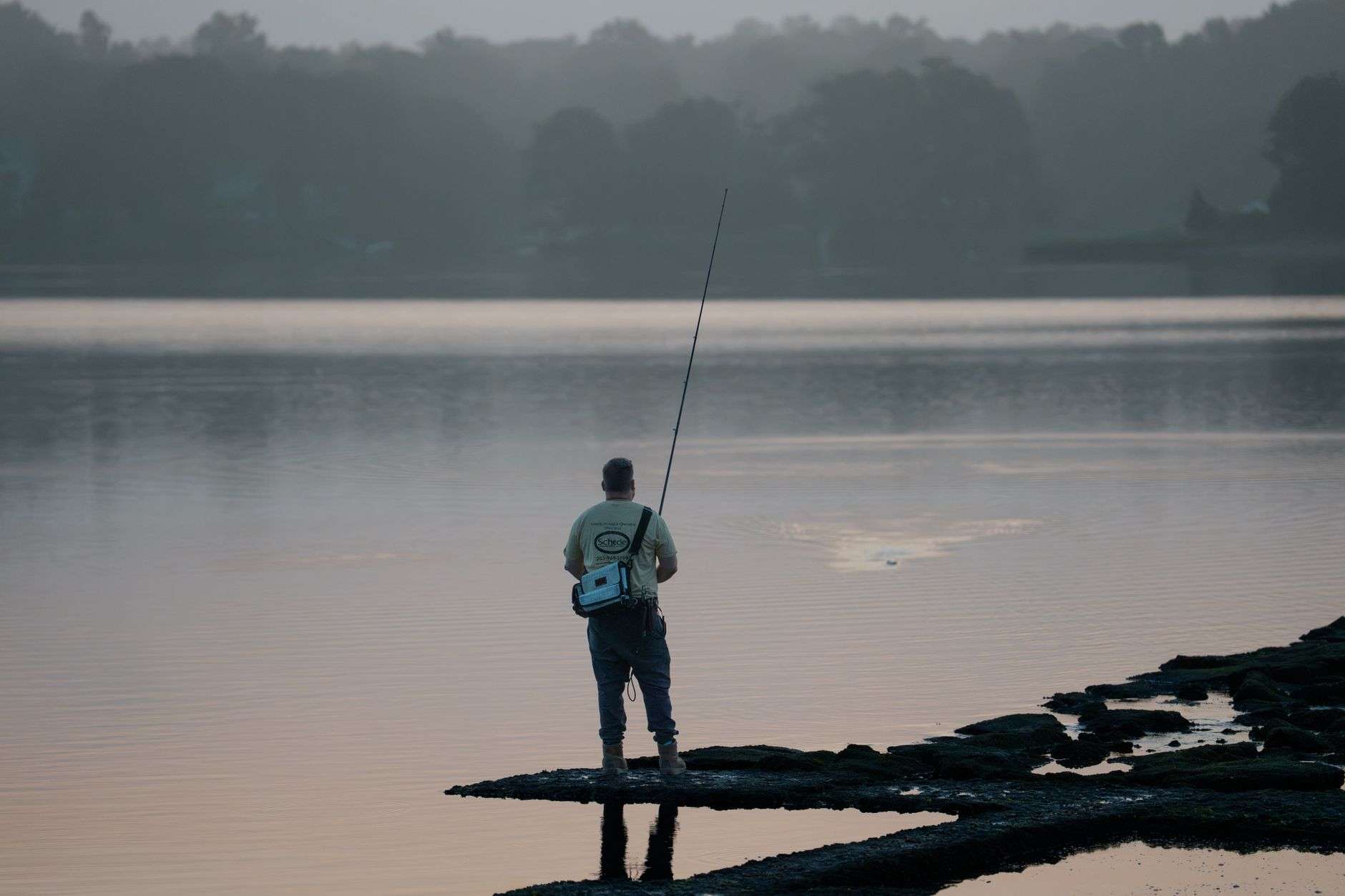
MOBILE, Ala. — Gov. Kay Ivey wants Alabamians off the couch and outside today, Saturday, Sept. 26, as National Hunting and Fishing Day and National Public Lands Day land on the same weekend — and the state has more than a million acres of public hunting land, 21 state parks and miles of Gulf shoreline waiting for them.
Ivey issued a statement Thursday urging residents to spend the day at the state’s parks, public fishing lakes, wildlife management areas and coastal recreation sites, and to bring the next generation along.
“Some of the finest hunting, fishing and outdoor recreation anywhere in the world can be found right here in our own backyard,” Ivey said. “We are blessed to call God’s country home, so I encourage Alabamians to put down the phones, get outdoors and enjoy all we are blessed with. Better yet, take the kids or grandkids along and pass our great Alabama outdoor traditions on to the next generation.”
Alabama’s Public Outdoors at a Glance
According to the Alabama Department of Conservation and Natural Resources, the state offers:
- More than 1 million acres of public hunting land
- 21 state parks
- 23 public fishing lakes
- 12 public shooting ranges
- 20 community archery parks
- Nearly 300,000 acres of Forever Wild land
The state also ranks fourth in the nation for species diversity, a distinction that surprises many residents but reflects Alabama’s range of habitats, from Appalachian foothills in the north to the Mobile-Tensaw River Delta and barrier islands in the south.
Two Observances, One Saturday
National Hunting and Fishing Day has been observed on the fourth Saturday of September since 1972. It was created to recognize the role hunters, anglers and shooting sports enthusiasts play in paying for and supporting wildlife conservation — a connection many people who never pick up a rod or rifle don’t realize exists.
National Public Lands Day, established in 1994, focuses on the value of lands held in public trust and the volunteers who help maintain trails, clean shorelines and restore habitat on them. It is traditionally one of the largest single-day volunteer efforts for public lands in the country.
This year the two fall on the same date, giving the state an opportunity to make a broader pitch: the outdoors is not just recreation but an economic engine and a shared inheritance.
How Hunters and Anglers Pay for Conservation
The central argument behind National Hunting and Fishing Day is financial, and it is worth understanding.
In Alabama, as in every state, much of the money for wildlife and fisheries management comes from the people who hunt and fish. Revenue from recreational hunting and fishing licenses goes to the state’s conservation work. On top of that, federal excise taxes on firearms, ammunition, archery equipment, fishing tackle and motorboat fuel flow back to the states through two long-standing federal laws.
- The Wildlife Restoration Act, commonly known as the Pittman-Robertson Act, passed in 1937 and directs excise taxes on firearms, ammunition and archery gear to state wildlife agencies.
- The Sport Fish Restoration Act, known as the Dingell-Johnson Act, passed in 1950 and does the same with taxes on fishing equipment, later expanded to include motorboat fuel taxes.
The federal money is apportioned to states partly based on how many licenses they sell, which means every license a resident buys helps the state draw down more federal matching dollars. That is why state officials encourage even occasional anglers to buy a license each year.
The governor’s office said those dollars support management of game species such as white-tailed deer, wild turkey and largemouth bass, as well as habitat and conservation work that benefits nongame species. Among those in Alabama are the red-cockaded woodpecker, the gopher tortoise and the Eastern indigo snake — the last two closely tied to the longleaf pine forests of south Alabama.
Nearly a Decade of Investment
The observance also gave the state a chance to point to what it has spent on the outdoors since Ivey took office in 2017. According to the governor’s office and ADCNR:
- More than $525 million invested in outdoor recreation improvements statewide
- More than $350 million of that for state park improvements, including new lodge hotels at Gulf State Park and Cheaha State Park
- More than 100 miles of new hiking, biking and kayaking trails
- $76 million in beach restoration and renourishment
- More than 50 boating access projects
- Artificial reef enhancements offshore
Through partnerships with conservation groups, the department says more than 110,000 acres have been acquired for public access in state parks, state forests, wildlife management areas and Forever Wild tracts.
What It Means for Mobile and Baldwin Counties
Coastal Alabama has been a major beneficiary. More than $318 million in Gulf of Mexico Energy Security Act funds, known as GoMESA, has supported 143 projects in Mobile and Baldwin counties. GoMESA, a federal law passed in 2006, shares a portion of revenue from offshore oil and gas leasing with the Gulf states for coastal conservation, restoration and hurricane protection.
In addition, more than $1.27 billion in Deepwater Horizon oil spill recovery projects have been completed, are underway or have been approved in coastal Alabama, according to state officials. Those projects span everything from land acquisition and habitat restoration to public access improvements and the rebuilt facilities at Gulf State Park in Gulf Shores.
For residents of the two coastal counties, that spending translates into places that can be visited today:
- Gulf State Park in Gulf Shores, with its beaches, lodge, fishing pier, lakes and extensive paved trail system
- Meaher State Park on the Mobile Causeway near Spanish Fort, a small park on the edge of the Mobile-Tensaw Delta popular with anglers and paddlers
- The Mobile-Tensaw Delta, where wildlife management areas and Forever Wild lands offer hunting, fishing and paddling in one of the most biologically rich river deltas in North America
- Grand Bay Savanna in southern Mobile County, a Forever Wild tract protecting pine savanna and coastal wetlands
- Artificial reefs in state and federal waters off the Alabama coast, a draw for offshore anglers
The Forever Wild Story
The nearly 300,000 acres of Forever Wild land cited by the state are the product of a program Alabama voters created in 1992, approving the constitutional amendment with about 84% of the vote. Voters reauthorized it in 2012 with about 75% support.
Forever Wild buys land from willing sellers and is funded from interest earned by the Alabama Trust Fund, which itself is built on revenue from offshore natural gas leases. Its acquisitions are managed as nature preserves, additions to state parks, wildlife management areas and recreation areas, and most are open to the public.
That public access matters in a state where more than 95% of the land is privately owned. For a resident without a family farm or a hunting lease, public land is often the only place to hunt, hike or fish.
A New Way to Buy a License
Anyone planning to hunt or fish this weekend — or this fall — will now use a different system. ADCNR recently launched My Outdoor Alabama, an online licensing platform that lets hunters and anglers buy and manage their hunting and fishing licenses. It replaced a system that had been in use for nearly 20 years.
Residents who haven’t bought a license since the switch should expect to set up or update their account in the new system before making a purchase.
Getting Started if You’re New
For those who have never hunted or fished, ADCNR offers beginner courses in hunting, fishing and firearms safety.
Hunter education is a legal requirement for many. Under state rules, anyone born on or after Aug. 1, 1977, must complete an approved hunter education course before buying a hunting license. The course is available free in person, taught by state wildlife staff and volunteer instructors, or online through several approved providers. Certification from Alabama’s course is recognized across the United States and Canada.
Alabama also offers a “supervision required” option for those who have not yet completed the course, allowing them to hunt under the close supervision of a properly licensed adult hunter.
Fishing has a lower barrier to entry. Public fishing lakes managed by the state are stocked and maintained specifically for family fishing, and piers such as the one at Gulf State Park give coastal anglers access to saltwater species without a boat.
An Economic Case, Too
Ivey framed the outdoors as a pillar of the state’s economy as well as its culture.
“Outdoor recreation and ecotourism are an important part of our state’s economy,” she said. “Hunting, fishing, shooting sports, hiking, mountain biking and paddling create jobs for thousands of Alabamians. When folks take part in these activities they are creating a more prosperous future for us all.”
“Alabama’s great outdoors is part of our way of life and, increasingly, our economic success,” Ivey added. “These time-honored traditions support our jobs, strengthen our communities and bring people from near and far to Alabama. We have invested big in our outdoors, and I am proud we are leaving it better than we found it.”
State officials point to jobs in the hunting, fishing, firearms, tourism and ecotourism industries as evidence. On the coast, that ranges from charter boat captains and bait shops to kayak outfitters, guides and the hotels that fill with visiting anglers during tournament season.
A Farewell Note From the Commissioner
The observance comes during a transition at the top of ADCNR. Commissioner Chris Blankenship, who began his career in 1994 as a conservation enforcement officer with the Marine Resources Division and has led the department since 2017, retires at the end of September. Ben Stimpson takes over as commissioner Oct. 1.
Blankenship credited Ivey with making the outdoors a priority.
“Having quality access to outdoor recreation is a vital aspect of improving the quality of life for all Alabamians,” he said. “I am honored that Governor Ivey has made outdoor recreation, habitat restoration and wildlife conservation priorities during her Administration. We look forward to continuing our efforts to increase access to public lands and outdoor recreation throughout the state.”
Ways to Take Part This Weekend
- Go fishing: Visit a state public fishing lake, a state park pier or a public boat ramp. Make sure you have a valid license through My Outdoor Alabama if one is required.
- Take a hike or paddle: Gulf State Park’s trail network and the paddling trails of the Mobile-Tensaw Delta are close to home for coastal residents.
- Visit a range: The state’s 12 public shooting ranges and 20 community archery parks are open to the public under posted rules.
- Volunteer: National Public Lands Day is built around service. Litter pickups, trail maintenance and habitat projects are common ways to give back.
- Sign up for a class: Look into ADCNR’s beginner hunting, fishing and firearms safety courses ahead of the fall seasons.
- Bring someone new: As Ivey urged, take a child or grandchild along.
More information on licenses, public lands, state parks and education courses is available from the Alabama Department of Conservation and Natural Resources at outdooralabama.com.