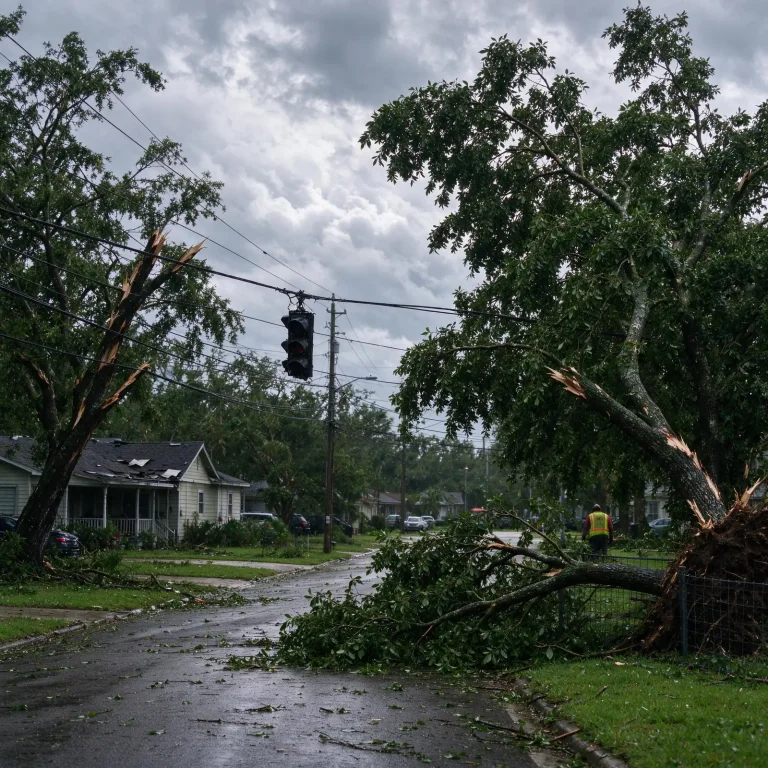
Prichard City Council Delivers Meals to Vigor, Blount High Teachers for Appreciation Day
Prichard City Council and alumni delivered Hart's Fried Chicken meals to teachers at Vigor and Blount High Schools for the city's Teacher Appreciation Day.
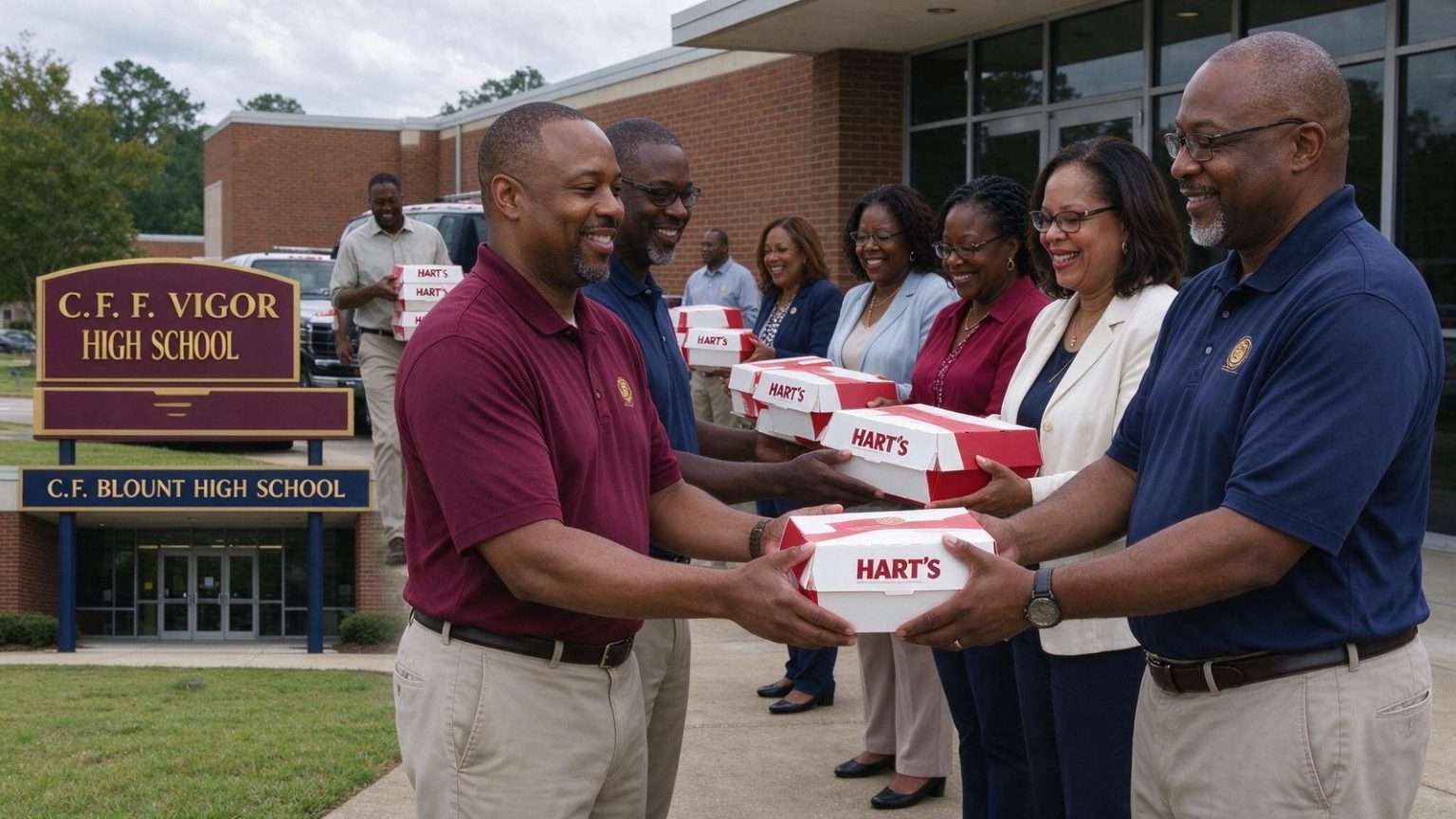
PRICHARD, Ala. — The Prichard City Council and a group of local alumni gave the city’s teachers a gesture of gratitude during an extraordinary year, marking Teacher Appreciation Day by picking up meals from Hart’s Fried Chicken and delivering them to the educators at C.F. Vigor High School and Blount High School.
The deliveries brought boxes of the Mobile-area fried chicken institution’s food to the faculties of the two Prichard-area high schools, where teachers received them as a token of recognition for their work during the 2020 school year — a year unlike any in the history of American education.
The gesture recognized educators’ work during the 2020 school year, when the coronavirus pandemic upended schooling across the country and pushed teachers into an improvised experiment in remote instruction. For teachers at Vigor and Blount, as for educators everywhere, the year demanded reinvention on the fly: lessons redesigned for screens, assignments adapted for students without reliable internet, and the constant responsibility of staying connected to students who were suddenly, invisibly, out of reach.
The council members and alumni who made the deliveries turned a local restaurant into the vehicle for that recognition, and the meal run from Hart’s Fried Chicken to the two high school campuses carried a message that needed no wrapping: the city saw what its teachers had done.
A Year That Redefined Teaching
The 2020 school year tested teachers in ways no professional training had prepared them for. When the pandemic closed school buildings in the spring, educators across Mobile County and the nation had days — not months — to translate their curricula into remote formats. Teachers recorded lessons from their kitchen tables, held video conferences with classes, reworked grading systems, and invented new ways to reach students through screens designed for entertainment rather than education.
The burden fell unevenly. In communities like Prichard, where household internet access and device availability lagged wealthier suburbs, teachers went to extraordinary lengths to keep students connected — mailing packets, making phone calls, driving through neighborhoods to deliver materials, and troubleshooting technology issues for families who had never needed a laptop before. The work extended far beyond instruction into social work, technology support, and family liaison duties that no job description had included.
When the 2020 school year opened — in whatever hybrid or remote form each district adopted — teachers continued managing the impossible balance: following health protocols, tracking students in person and online simultaneously, and covering academic ground with children whose lives had been disrupted by a pandemic that hit their communities hard. Teacher Appreciation Day in that context carried more weight than usual, and communities that paused to recognize their educators did so with a sincerity born of the year’s shared experience.
The City, the Council, and the Schools It Feeds
Prichard’s relationship with its high schools runs deep. C.F. Vigor High School, named for a longtime Mobile County educator, has served the city’s youth for generations, and its teams — the Wolves — have given the community some of its proudest athletic moments. Blount High School, officially C.F. Blount High School, draws students from Prichard and the surrounding Eight Mile and Whistler communities and carries its own long tradition in academics, athletics, and the marching band culture that defines Friday nights in Mobile County.
The Prichard City Council’s role in the delivery reflected the ways municipal government and public schools intertwine in small cities. Council members represent the neighborhoods where the students and teachers live, and their support for the schools extends from budget advocacy at the county level to the civic gestures — recognition nights, scholarship support, and yes, lunch deliveries — that mark the partnership between a city and its classrooms.
The alumni who joined the effort added a different dimension. Graduates of Vigor and Blount who returned to deliver meals embodied the schools’ long reach: the educators being honored had taught, in many cases, the parents and grandparents of current students, and the alumni who showed up to thank them were thanking the people who built the community’s foundation. In a city where schools anchor neighborhood identity, teacher appreciation is not a formality — it is a family matter.
Hart’s Fried Chicken and the Taste of Local Recognition
The choice of Hart’s Fried Chicken for the deliveries was itself a piece of local culture. Hart’s has been a Mobile institution for decades, a homegrown chain whose fried chicken has fed generations of families across the area, and its boxes are as recognizable in Mobile County as any national brand. A community gesture carrying Hart’s boxes signals that the recognition is local all the way through — a city council, local alumni, a hometown restaurant, and hometown teachers.
Restaurants across the region became quiet partners in pandemic-era recognition during 2020, as governments, businesses, and community groups bought meals in bulk to honor health care workers, first responders, and teachers. The orders provided steady business for local kitchens struggling through the pandemic’s disruption of dining rooms, and they turned lunch deliveries into a small but visible economy of gratitude that ran through the year’s darkest months.
Teacher Appreciation in a Year of Sacrifice
National Teacher Appreciation Week and Teacher Appreciation Day trace their history back decades, but the 2020 observances landed in a transformed context. Teachers had been declared essential, celebrated in yard signs and honked salutes, and asked to perform their work under conditions that would have been unthinkable the year before. In cities like Prichard, where schools serve communities already working hard against economic headwinds, the appreciation carried particular warmth.
The council’s delivery to Vigor and Blount fit that moment. Teachers collected their meals between duties — whether in break rooms spaced for distancing or through drive-by pickups — and the gesture said what formal proclamations only gesture at: the city noticed the extra hours, the personal risk, the creativity, and the care.
For the educators, gestures of this kind matter beyond the meal. Teaching is a profession whose rewards are largely deferred — in the lives students build after graduation — and public recognition from the institutions around a school replenishes the intangible reserves the work draws down. A city council that shows up with lunch is telling its teachers that their effort is seen by the whole community, not just counted by their employer.
The 2020 school year would continue to demand everything educators had, and the appreciation shown on Teacher Appreciation Day in Prichard was a down payment on the community’s debt: a warm box of Hart’s Fried Chicken, delivered by the city’s leaders and its own graduates, to the teachers of Vigor and Blount who had earned it many times over.
The delivery to the two high schools also captured something specific about Prichard’s civic fabric. The city, which sits in the heart of Mobile County just northwest of Mobile, has watched its public institutions — schools included — carry more than their share of the region’s challenges, and the teachers at Vigor and Blount have remained constants for generations of families through decades of change. When the city council shows up at their doors with meals, the symbolism is layered: the city honoring the people who hold up one of its most important institutions.
The Educators Behind the Appreciation
The teachers who received the meals represented every stage of the profession. Veterans among them had spent careers at the two schools, teaching the children of former students and holding together programs — bands, athletics departments, academic teams — that give the community its traditions. Younger teachers were navigating their first years in a profession that the pandemic had made unrecognizable, learning classroom management over video feeds and building relationships with students they had rarely met in person.
Their work during the 2020 school year had encompassed the full range of pandemic-era teaching: the spring’s emergency remote instruction, the summer’s uncertainty about what fall would bring, and the school year’s complicated reopening. Each phase demanded different skills, and teachers supplied them without a script — adapting lessons, learning new software, reorganizing classrooms for distancing, and absorbing the anxieties of students and families living through a public health crisis.
The meals from the council and the alumni acknowledged that labor, but they also acknowledged something less measurable: the emotional weight of teaching through a crisis. Teachers in 2020 were not just delivering content; they were checking on children’s wellbeing, reassuring anxious parents, holding together the routines that students’ lives depended on, and doing it all while managing their own families’ pandemic realities.
Prichard, Its Schools, and Its Civic Life
The gesture fit Prichard’s civic character. The city has endured hard decades — population loss, fiscal crisis, and the economic disinvestment that followed the decline of the industries that once powered its growth — yet its institutions have persisted, and its civic life has remained vigorous. Church networks, neighborhood associations, alumni groups, and an active city government constitute the connective tissue of a community that knows itself and takes care of its own.
Schools sit at the center of that web. In communities like Prichard, the high school is the community’s stage — for Friday night football, for graduations, for the programs and ceremonies that mark family life across generations. The teachers and staff who run those schools are among the most visible public servants a city has, and their recognition by the council is recognition of the whole institution.
The alumni dimension of the delivery reinforced the point. Alumni groups from Vigor and Blount remain active in the life of their schools, supporting programs and mentoring students, and their participation in Teacher Appreciation Day turned the event into a reunion of sorts — former students delivering lunch to the teachers who shaped them, in the city that produced them all.
Recognition That Outlasts a Meal
Small gestures during hard years have a way of being remembered longer than their size suggests. Teachers who received meals during the 2020 school year — from city councils, businesses, and community groups across the country — frequently described the deliveries as morale events, moments when the community’s gratitude became tangible at the exact time the work felt heaviest.
The practical effect compounds over time. Recognition strengthens the bond between schools and the communities they serve, and that bond translates into the support — for budgets, for programs, for the teaching profession itself — that schools need to function. A city that celebrates its teachers is investing in the recruitment and retention of the next generation of them, and in a profession facing national shortages, communities that show appreciation hold an advantage.
For Prichard’s students, the image of their council members and local graduates delivering Hart’s Fried Chicken to their teachers carried its own quiet lesson: that the adults of their community value education and the people who provide it, and that gratitude is something a community performs, not just something it feels.
The 2020 school year would be remembered across American education for its disruption, but in Prichard it will also carry the memory of the day the city council and local alumni showed up at Vigor High and Blount High with meals from a hometown restaurant and a simple message for the teachers inside: thank you, for this year above all, from the city you serve.