

MOBILE, Ala. — Emails obtained through a public records request describe concrete tariff pressure on two of the region’s largest industrial investments — Novelis’s aluminum mill under construction in Baldwin County and an $850 million Airbus assembly line in Mobile.
Sen. Katie Britt’s office requested relief for both companies, describing the need as “pressing,” and said that “both fit within the mold” of bringing manufacturing back to the U.S.
In response, Assistant U.S. Trade Representative Brett Doyle stated: “As of this time, there is no exclusion process for products covered by the President’s IEEPA tariff actions.”
The exchange brings new detail to previously unknown tariff-related impacts on Mobile and Baldwin County industries.
Novelis: 1,000 Jobs and a Cash Flow Problem
Britt’s chief of staff, Sean Ross, wrote in an email dated April 15, 2025, that Novelis expected to create about 1,000 jobs in Baldwin County and was relying on aluminum imports from Canada, South Korea and Brazil while its new plant remained under construction. Tariffs on those imports were creating “cash flow problems” that could affect the company’s ability to finish the plant.
“Novelis is caught in a bind. They are trying to do exactly what we want them to do — invest and manufacture here in the U.S. — but no short-term product exclusions with tariffs on their essential materials poses cash flow problems to fulfill finish [sic] their new plant in Alabama,” the email stated.
The bind Ross described is the central paradox in tariff policy aimed at reshoring. A company building domestic production capacity necessarily imports material during the construction period, because the plant that would supply it domestically is the thing being built. Tariffs applied during that window fall hardest on precisely the investment the policy intends to encourage.
The Plant Itself
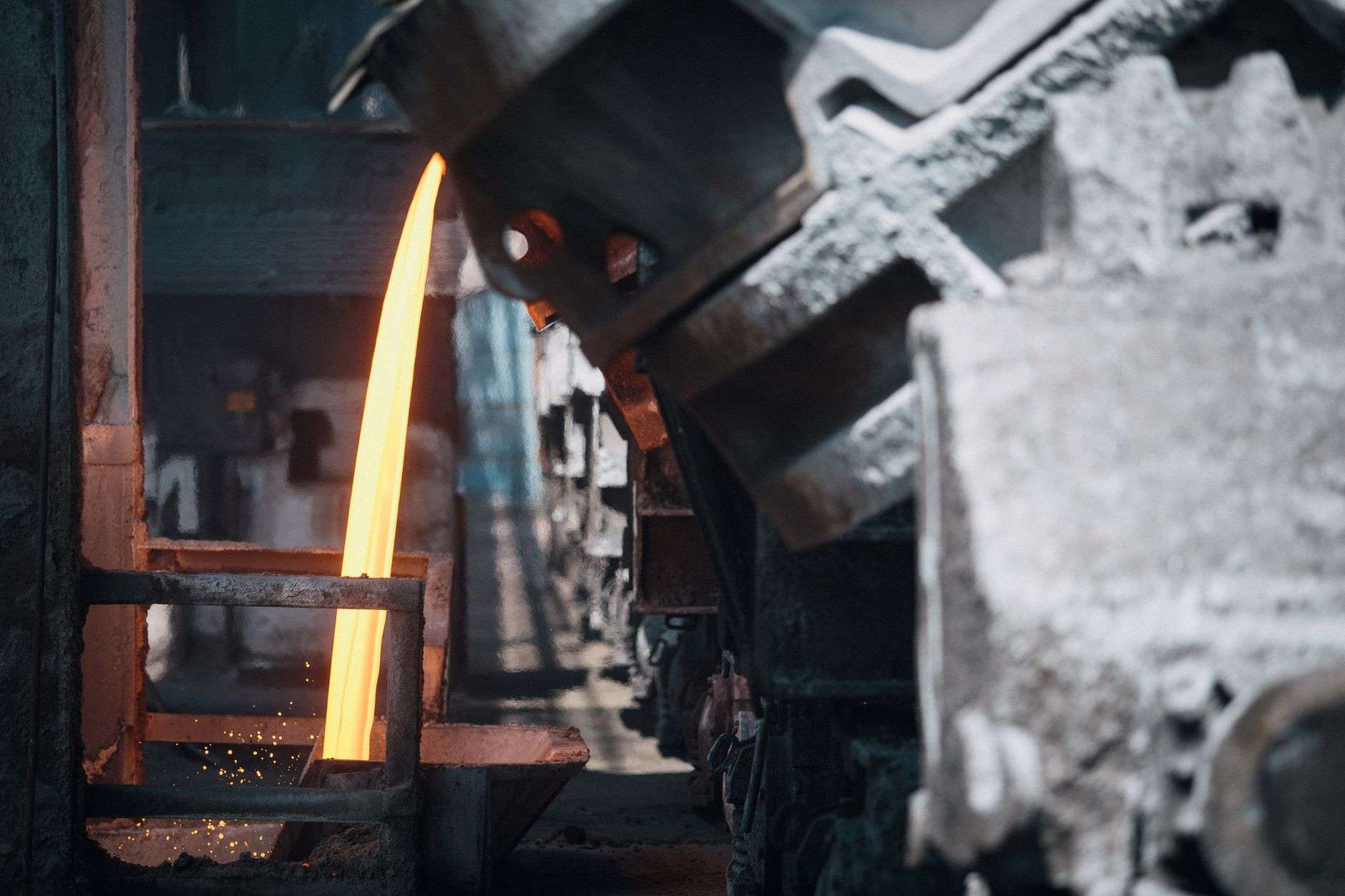
Under construction since 2022, the Novelis plant occupies a 3,000-acre mega site in Baldwin County. It is expected to create about 1,000 permanent jobs and was billed as the first fully integrated aluminum mill built in the United States in 40 years.
Julie Groover, a Novelis representative, said the plant is progressing on schedule and is in the commissioning process now.
“We expect to begin commercial shipments in the second quarter of CY2027. Novelis has not received tariff relief,” Groover stated.
That last sentence is the operative one. The company absorbed the cost and continued, but the relief the senator’s office sought was not granted.
Two Layers of Tariffs
Ross noted Novelis was facing tariff impacts from the April 2025 policy rollout in addition to Section 232 tariffs — national security-based import taxes on strategic materials such as steel, aluminum and copper, set at up to 50 percent of a product’s full customs value.
It is unclear what total tariff rates Novelis has faced.
Section 232 tariffs on aluminum predate the 2025 actions and operate under a separate legal authority, which is why a company can face both simultaneously. For an aluminum producer importing feedstock, a 50 percent duty on customs value is not a marginal cost — it is a substantial share of the material’s price.
Airbus: ‘Financially Unviable’
The situation was more acute for Airbus, according to the emails.
According to Ross, the tariff impacts made Airbus’s $850 million new assembly line “financially unviable,” to the point that the French-headquartered company faced shifting the work elsewhere.
Commercial aircraft assembly is among the most globally distributed manufacturing operations that exists. Fuselage sections, wings, engines, avionics and interiors are produced across multiple countries and converge at a final assembly line. A tariff on imported components raises the cost of every aircraft that line produces, and for a manufacturer choosing between assembly sites in different countries, that cost is directly comparable.
Airbus has assembled aircraft at the Mobile Aeroplex at Brookley for more than a decade, and the facility has expanded successively over that period. The operation is among the region’s most significant employers and has anchored a supplier ecosystem around it.
The Policy Question This Raises
The email exchange documents a specific version of a general problem. Tariffs intended to encourage domestic manufacturing were, in these two cases, imposing costs on companies actively building domestic manufacturing capacity in Alabama.
The USTR’s response — that no exclusion process existed for products covered by the IEEPA actions — is the structural point. Section 232 and Section 301 tariff programs have historically included formal exclusion mechanisms through which companies can petition for relief on specific products. A program without such a process leaves no administrative channel, which is why the request came through a senator’s office rather than through an application.
Related Coverage
Britt publicly defended her approach this week, saying she supports the administration’s effort to create a level playing field while working to ensure Alabama companies “aren’t penalized for the components only being made somewhere else.”
Novelis’s Baldwin County plant remains on schedule for commercial shipments in the second quarter of 2027.