
The 9 Negatives of Mobile, Alabama: What to Consider Before Moving to the Gulf Coast
Nine commonly cited drawbacks of living in Mobile, Alabama, including heat and humidity, bugs, hurricanes, flooding, property taxes and a slow pace.
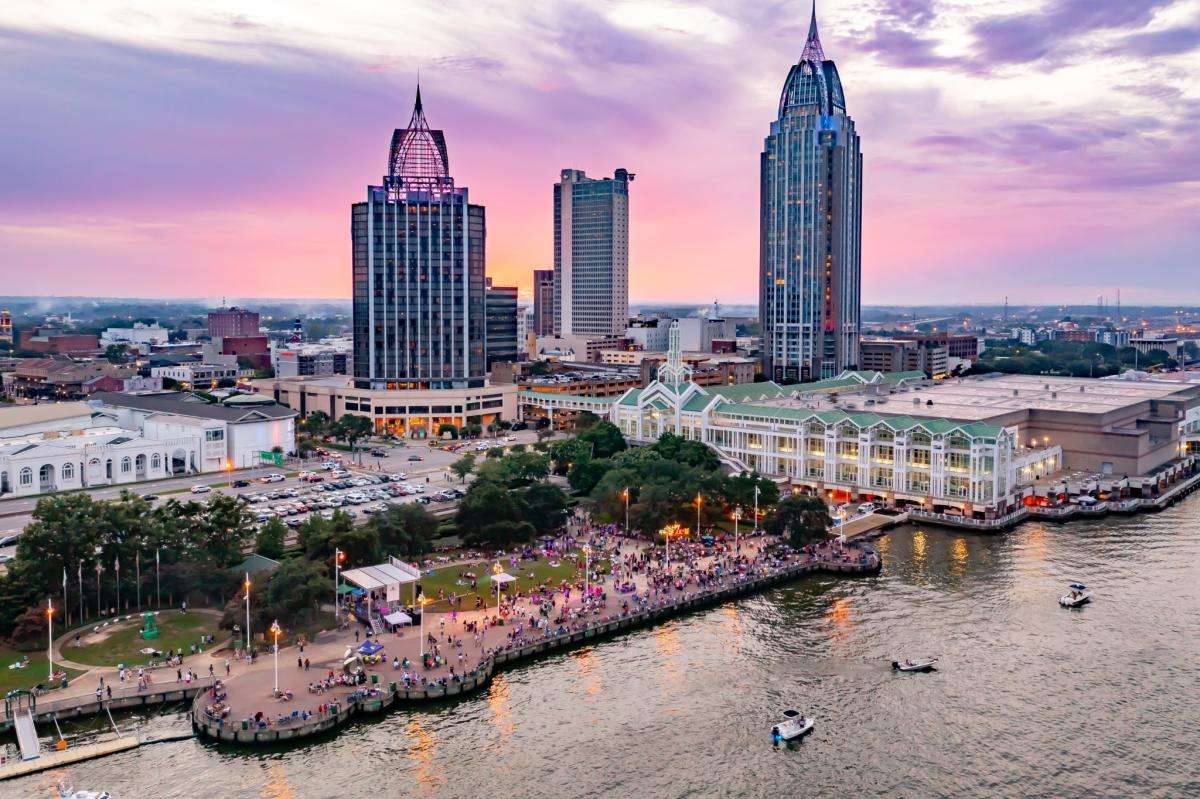
Mobile, Alabama, draws newcomers and visitors with its deep history, scenic waterfront and distinctive Southern character. But like every city, it has its drawbacks. From its climate to its exposure to storms and its everyday quirks, anyone thinking about relocating to this Gulf Coast city or nearby Baldwin County should understand the downsides. Here is a closer look at nine of the most frequently mentioned negatives of living in Mobile.
1. Heat and Humidity
Mobile’s subtropical climate brings long, hot and sticky summers. Average summer highs reach the 90s, and humidity frequently climbs above 90%, a combination that can feel stifling to people who are not used to it. Spending time outdoors during the peak of summer can be uncomfortable, and for many residents the heat feels unrelenting. Air conditioning is less a comfort than a requirement of daily life.
2. The Bugs
The same warm, damp climate is ideal for insects. Mosquitoes and cockroaches — often politely called “palmetto bugs” in the South — are a problem throughout the year. Mosquitoes are especially persistent in summer and after rain. Many residents end up paying for pest control and stocking up on insect repellent just to keep their homes livable.
3. The Surrounding Cities
Mobile has a good share of amenities, but nearby communities such as Saraland, Daphne and Fairhope often do not offer the same energy or infrastructure. These smaller towns are quieter and more suburban. Some people find that appealing; others see them as short on entertainment, cultural activities and restaurants. Anyone who prefers a busy urban setting may find Mobile’s outlying areas too slow or too disconnected.
4. Hurricanes and Tropical Storms
Sitting on the Gulf Coast places Mobile squarely in the path of hurricanes and tropical storms. The Atlantic hurricane season, which runs from June through November, carries an ever-present risk of severe weather, and storms such as Hurricane Katrina and Hurricane Sally left lasting damage in the region. Residents must be ready for possible evacuations, protect their property from wind damage and cope with recovery after storms pass. Flooding is another major worry because of Mobile’s low elevation and the heavy rain that storms bring.
5. The Friendly People
Southern hospitality is a defining part of Mobile, but it does not suit everyone. Some newcomers — especially those from places where people prize privacy and personal space — read the friendliness as intrusive or insincere. Locals readily strike up conversations and offer help, which can feel like a lot to people who are not accustomed to it.
6. High Property Taxes
Even though the South is generally known for a lower cost of living, Mobile’s property taxes stand out as high compared with other parts of Alabama. Homeowners often voice frustration at paying those taxes without seeing the infrastructure improvements or public services they expect in return. For people on tight budgets or retirees trying to make their savings last, the taxes can be a deal breaker.
7. Low-Lying Terrain
Mobile’s location and low elevation leave it especially prone to flooding. Heavy rain routinely leaves water standing on roads and in neighborhoods, and homes near the coast or along rivers are particularly at risk, so many residents need flood insurance. The city’s drainage systems can be overwhelmed during severe storms, making some streets impassable.
8. The Slow Pace of Life
Mobile is often called laid-back, which can be a blessing or a frustration. People looking for excitement and a fast-moving lifestyle may find the city too slow and quiet. Many residents love the relaxed pace as part of Mobile’s charm, but those used to the rush of larger cities may struggle with it. Businesses and customer service can also move slowly, adding to a sense of inefficiency.
9. Limited Food Variety
Mobile has no shortage of restaurants, but critics say its food scene lacks variety. Seafood dominates menus, and while it is fresh and delicious, diners hoping for a wide range of international cuisines may come away disappointed. Compared with bigger cities known for their dining, Mobile’s options can feel narrow, and residents sometimes travel to nearby cities or out of state for a more diverse food experience.
Living in Lower Alabama: A Mixed Bag
Whether you are looking at Mobile or neighboring Baldwin County, it pays to weigh the pros and cons of life in Lower Alabama. The region offers natural beauty, a rich cultural heritage and a welcoming community, but it also comes with challenges — oppressive heat, persistent bugs, the threat of hurricanes and high property taxes among them. Living in Mobile calls for a measure of resilience and flexibility.
For people who love the Gulf Coast lifestyle and can embrace its quirks, Mobile can be a unique and charming home. For others, the drawbacks may outweigh the benefits. If you are considering a move, visit first, talk with people who live here and get a full picture of what daily life in Mobile involves.


