University of South Alabama Mobile
USA Health Stroke Program expands outreach with renewed Chiesi USA funding
Renewed funding from Chiesi USA will help the USA Health Stroke Program expand stroke education and prevention outreach in underserved southwest Alabama communities.
MOBILE, Ala. — The USA Health Stroke Program will be able to take its message about recognizing and preventing strokes to more neighborhoods across southwest Alabama, thanks to renewed funding from specialty pharmaceutical company Chiesi USA.
The continued support will help the program’s stroke outreach team expand community-based education, outreach and prevention work in underserved communities, according to USA Health. The goal, health system leaders said, is to raise awareness of stroke warning signs, improve health literacy and help people get timely care when it matters most.
USA Health described the partnership as reflecting a shared commitment to narrowing health disparities and improving outcomes for people at risk of stroke.
Where the money will go
According to USA Health, the renewed funding will support:
- Educational programming at community health fairs, schools and events with first responders;
- Targeted outreach in neighborhoods where residents face barriers to health care access; and
- Continued research and education focused on stroke prevention and awareness among antepartum and postpartum patients — women who are pregnant or have recently given birth.
Health system leaders said the funding will help grow outreach efforts that already reach hundreds of community members each month and will strengthen the connections between at-risk residents and the health care system.
The focus on pregnancy and the period after childbirth reflects a well-documented medical concern. Pregnancy brings changes in blood pressure and blood clotting, and conditions such as preeclampsia can raise the risk of stroke for expectant and new mothers, making education for that group an important part of prevention work.
Mapping risk by ZIP code
The renewed grant builds on work Chiesi supported over the past year. With that funding, the USA Health Stroke Program carried out a community-based research project that examined stroke risk factors by ZIP code.
The findings were presented at the 2026 International Stroke Conference, a major annual meeting for stroke researchers and clinicians. According to USA Health, the project helped pinpoint obstacles such as limited access to healthy food in underserved neighborhoods, and the results have shaped more targeted education efforts.
Diet plays a significant role in stroke risk because it affects high blood pressure, diabetes, cholesterol and weight — all leading risk factors for stroke. When fresh, affordable food is hard to find, those risks can be harder to manage.
Seeds for stroke prevention
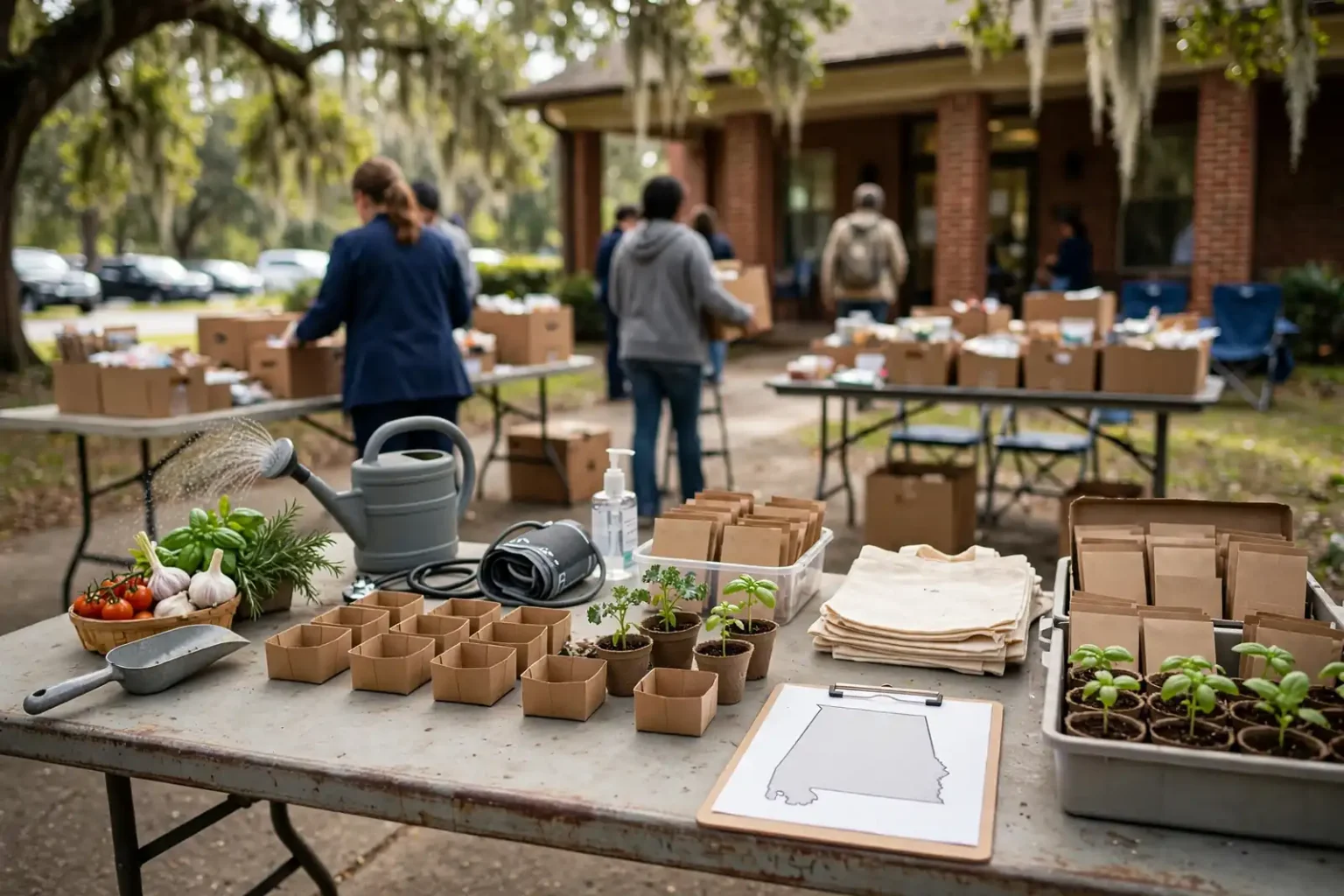
That connection between nutrition and brain health inspired another Chiesi-funded project. Through the “Seeds for Stroke Prevention – Growing a Healthier Brain” initiative, the program handed out 500 vegetable seed kits across the community, each paired with educational materials about preventing strokes.
Funder praises outreach team
Chiesi USA called the stroke program’s dedication to improving community health “inspiring.”
“When this work is led by people who are truly passionate about making a difference, it becomes more than a responsibility — it becomes a labor of love,” said Sunny Grothaus, shared value and sustainability business partner at Chiesi USA. “The USA Health stroke outreach team brings innovation, compassion and a genuine commitment to improving the health of the communities they serve. This is exactly the kind of meaningful, community-centered work that Chiesi is proud to support.”
Grothaus said the company views better health as requiring more than prescriptions.
“Community education and outreach are essential to improving stroke outcomes,” Grothaus said. “At Chiesi, we know that improving health takes more than medicine. It requires a holistic approach that combines education, community connection, and access to resources to support the whole person and create healthier communities.”
She added that the partnership grows out of a shared belief that everyone deserves access to the care and resources they need to live healthier lives.
Education that saves lives
Emily Dahlmann, DNP, RN, SCRN, director of the USA Health Stroke Program, said the renewed support will let the team share potentially life-saving information with more people.
“Every day, we see the impact that education can have on stroke recognition and response,” Dahlmann said. “People often tell us they recognized the signs of a stroke in a loved one because of something they learned at one of our events. This partnership helps us expand those opportunities, reach more communities, and ultimately save lives.”
The program reports that its stroke code volume has doubled, with 120 to 160 patients a month now seeking treatment because of concerns about a possible stroke. A stroke code is the rapid-response process hospitals use when a patient arrives with suspected stroke symptoms, quickly bringing together specialists, imaging and treatment. According to USA Health, community members regularly share stories of recognizing stroke symptoms and getting care quickly after attending one of the program’s outreach events.
Know the signs: BE FAST
Speed is critical in stroke care because brain cells begin to die within minutes when blood flow is interrupted, and some of the most effective treatments must be given within a limited window after symptoms begin. Health organizations commonly teach the BE FAST acronym to help people spot a stroke:
- B — Balance: sudden loss of balance or coordination
- E — Eyes: sudden trouble seeing in one or both eyes
- F — Face: one side of the face droops
- A — Arms: weakness or numbness in one arm
- S — Speech: slurred or strange speech
- T — Time: call 911 right away
Anyone who notices these symptoms in themselves or someone else should call 911 immediately rather than waiting to see whether the symptoms pass or driving to the hospital.
Why outreach matters in Alabama
Alabama is part of what public health researchers call the “Stroke Belt,” a group of southeastern states where stroke death rates have long been higher than the national average. High rates of hypertension, diabetes and other risk factors contribute to that pattern, which is why prevention and early recognition efforts carry particular weight in the region.
USA Health is the academic health system of the University of South Alabama and serves patients from across the central Gulf Coast.
About Chiesi USA
Chiesi USA is headquartered in Cary, North Carolina, and provides therapies and patient care in acute cardiology, neonatology and rare diseases. The company supports community health through its employee-led corporate social responsibility program, Chiesi in the Community.