

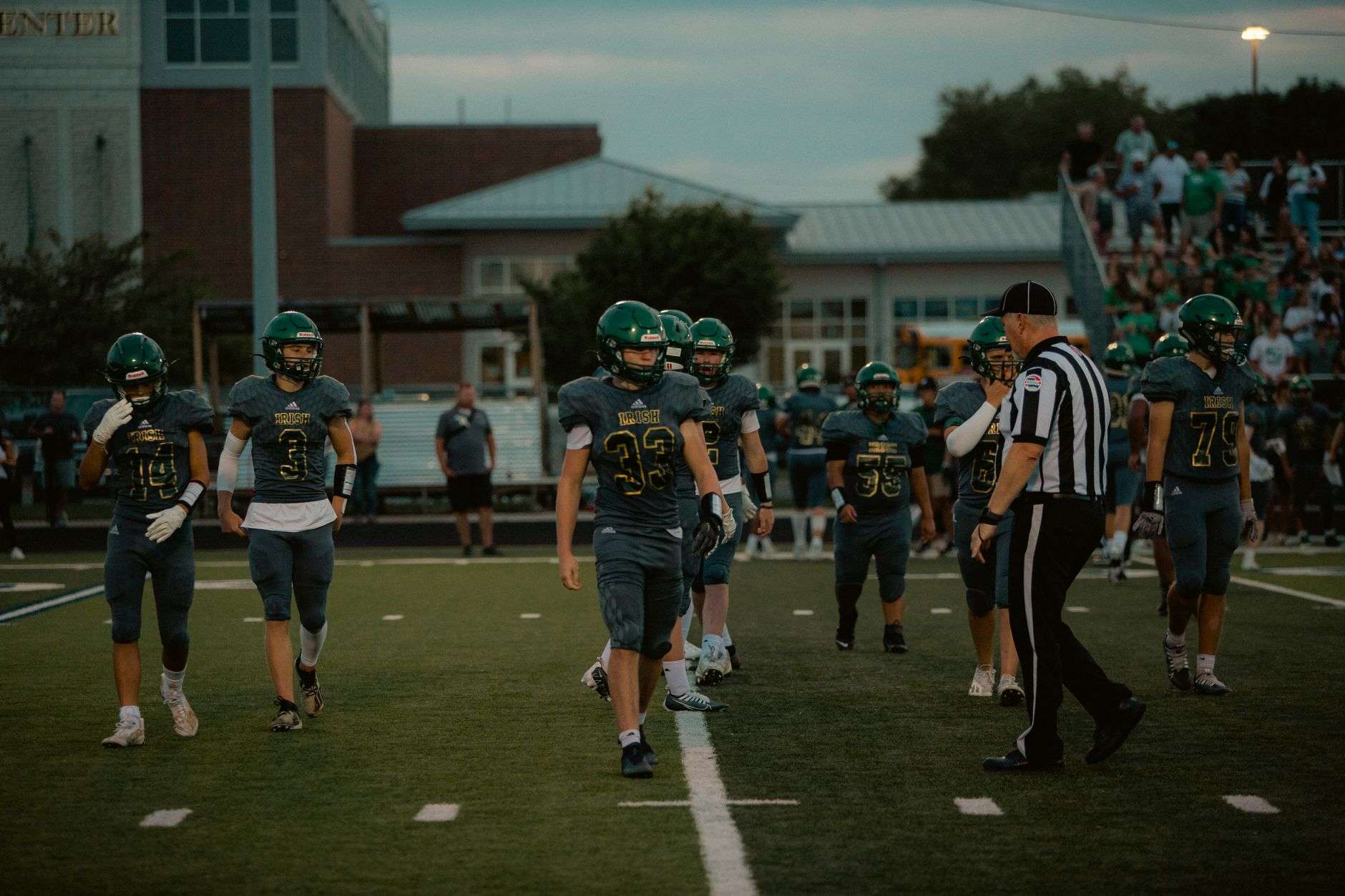
MONTGOMERY, Ala. — The Alabama Independent School Association will end AISA athletics after the 2026-27 school year, closing out more than half a century of competition and sending five south Alabama private schools into a new athletic league. The AISA board of directors voted to halt the athletics program at the close of the coming school year, according to a news release from the association announced Sept. 23.
The decision affects Clarke Prep in Grove Hill, Escambia Academy, Jackson Academy, Monroe Academy in Monroeville and Sparta Academy in Evergreen. Those schools will leave AISA athletics after the spring semester and join a newly created organization, the Gulf States Independent Athletic Association, beginning next school year. They will remain AISA members on the academic side.
An ‘Emotional Decision’ After More Than 50 Years
AISA has organized interscholastic sports for private schools across Alabama for more than 50 years. The association said the move is part of a shift in focus toward academic standards and services for its members.
“This is an emotional decision because athletics has been an important part of AISA for more than half a century,” said AISA Executive Director Michael McLendon. “We are tremendously proud of that history and grateful to the countless coaches, athletic directors, administrators, officials, volunteers and student-athletes who have made AISA athletics what it has been.”
McLendon also said the association supports the goal of creating an environment in which private school athletics “has the greatest opportunity to thrive.”
AISA has more than 100 member schools serving roughly 30,000 students across Alabama. Not all of them compete in AISA athletics. Association leaders have said only about a third of member schools play in AISA sports, while roughly another third compete in the Alabama High School Athletic Association, the organization that governs sports at public schools and a number of private schools. The remaining members play in other associations or do not field teams.
After athletics end, AISA will continue to provide advocacy, accreditation, professional development, academic competitions, student leadership opportunities and other member benefits.
What Is the Gulf States Independent Athletic Association?
The Gulf States Independent Athletic Association, or GSIAA, is being set up as a separate and independent organization with its own leadership and governance, dedicated specifically to private school athletics. Private school leaders approved the name this summer, and the league has been in development since then.
According to the AISA release, the new association aims to draw private schools from Florida, Mississippi, Tennessee and Georgia as well as Alabama. The goals are to build a bigger brand of athletic competition and to reduce travel time for some schools.
The GSIAA is also extending invitations to private schools that currently compete in the AHSAA, where applicable. Its founding board has been described as having 18 members, split evenly between representatives of AHSAA private schools and AISA schools. Membership applications are expected to open around Nov. 1, with competition planned to begin in 2027.
The formation of the new league follows years of friction over how private schools fit into Alabama high school sports, including the AHSAA’s move to separate public and private schools in postseason competition. AISA leaders have said the association has lost schools over time to reclassification changes, and the GSIAA is designed to give private schools on both sides a common home.
The Five South Alabama Schools Affected
The five Gulf Coast-area schools named in the announcement are spread across the southwest and south-central parts of the state:
- Clarke Prep — Grove Hill, Clarke County
- Jackson Academy — Jackson, Clarke County
- Monroe Academy — Monroeville, Monroe County
- Escambia Academy — near Atmore, Escambia County
- Sparta Academy — Evergreen, Conecuh County
All five will finish the 2026-27 school year under AISA athletics, then move to the GSIAA for the 2027-28 school year. Academically, they will stay in AISA, which means accreditation, academic competitions and other association services will continue as before.
For families at these schools, the most immediate question is what the schedule will look like. With the GSIAA hoping to draw schools from neighboring states, teams in southwest Alabama could see more games against private schools from the Florida Panhandle and coastal Mississippi, which in some cases are closer than AISA opponents in central and north Alabama. Coaches in other parts of the state have said they expect more games against nearby schools, with some crossover matchups against teams farther away.
What Stays the Same for the 2026-27 Season
Nothing changes immediately. AISA will continue to run its athletics program through the end of the 2026-27 school year, which means the current season and the sports that follow in the winter and spring will be played under AISA as usual.
That gives schools, coaches and families one final year of AISA competition and time to prepare for the transition. Key dates in the process include:
- Sept. 23, 2026: AISA announces the board’s decision to halt athletics after the 2026-27 school year.
- Around Nov. 1, 2026: GSIAA membership applications are expected to open.
- Spring 2027: The final AISA athletic season concludes.
- 2027-28 school year: The five south Alabama schools begin competing in the GSIAA.
What Comes Next for AISA
Association leaders have framed the change as a chance to redefine AISA around academics and school quality rather than a retreat. Without the responsibility of scheduling games, sanctioning officials and running championships, the association plans to concentrate on the services it provides to schools regardless of whether they field teams.
For the private schools of Clarke, Monroe, Escambia and Conecuh counties, the 2026-27 season now carries added weight as the last under the AISA banner. When the next school year begins, their athletes will be competing in a new league with a wider footprint across the Gulf States — and a new set of rivals.