

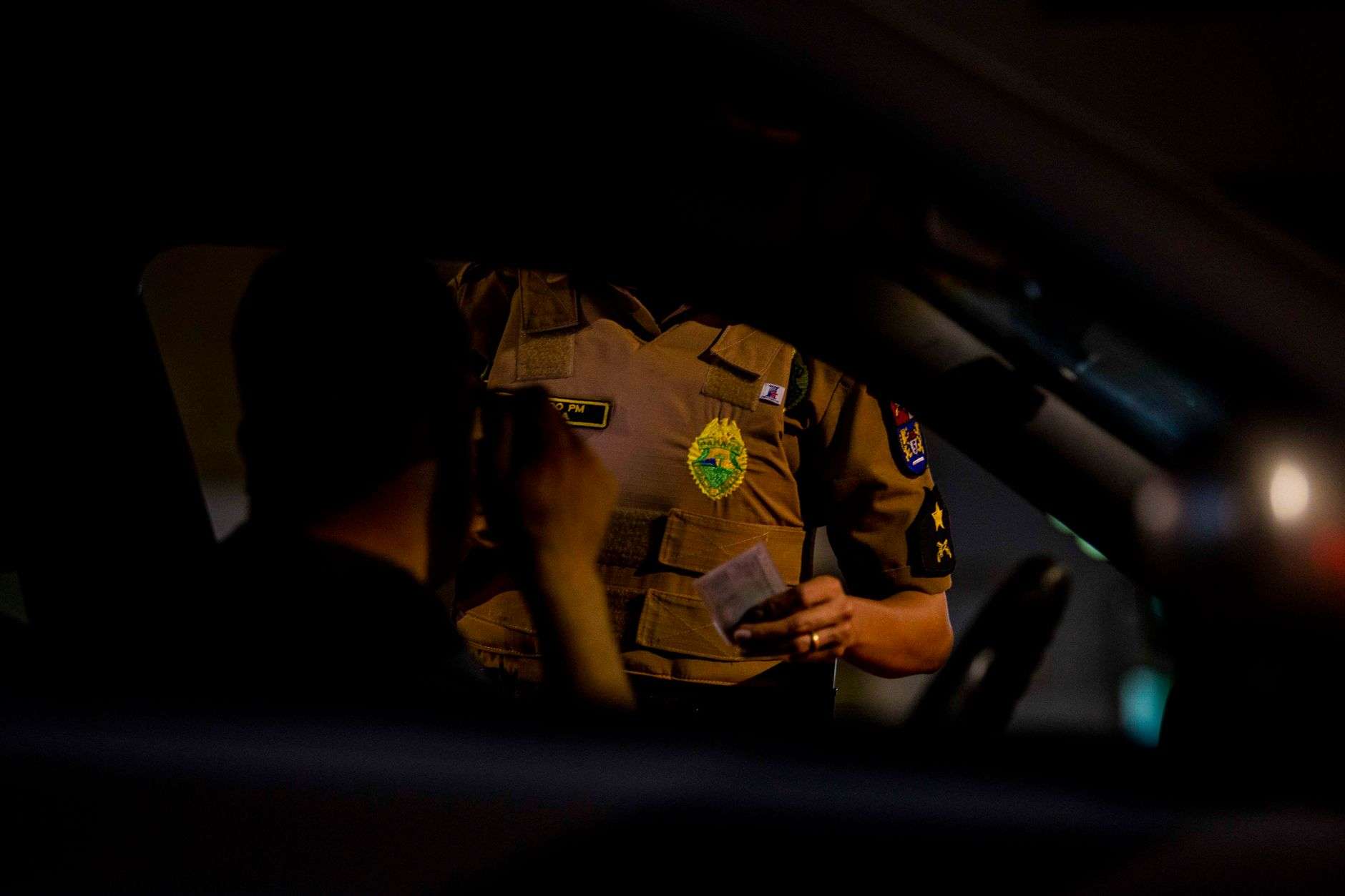
Two men from Moss Point, Mississippi, are facing cocaine trafficking charges in Atmore after officers found more than 300 grams of the drug during an Atmore traffic stop Sunday night, according to the Atmore Police Department. Cassious Lett and Travis Colley were arrested after police searched their vehicle and also found a small amount of marijuana and more than $7,000 in cash.
Police said officers developed probable cause to search the vehicle during what began as a routine stop. The cash was seized and submitted for forfeiture proceedings, the department said. Both men were booked into the Escambia County Detention Center, where they were awaiting bond.
The Charges
According to the Atmore Police Department, Lett and Colley each face three charges:
- Trafficking in cocaine
- Possession of marijuana in the second degree
- Unlawful possession of drug paraphernalia
More than 300 grams is a little over 10.5 ounces, or more than half a pound. The men have not been convicted, and the charges are accusations that must be proven in court.
What Makes It Trafficking in Alabama
In Alabama, the line between possession and trafficking is drawn by weight rather than by proof of a sale. Under the state’s drug trafficking statute, knowingly possessing 28 grams or more of cocaine, or any mixture containing cocaine, is considered trafficking. The law assumes that quantities at that level are not for personal use.
Trafficking in cocaine is a Class A felony, and Alabama law sets mandatory minimum prison terms and fines that increase with the amount involved. For quantities of at least 28 grams but less than 500 grams, the statute calls for a mandatory minimum of three years in prison and a fine of $50,000. Larger quantities trigger longer mandatory terms and higher fines. Because trafficking is a Class A felony, the maximum possible sentence is life in prison.
The marijuana and paraphernalia charges are much less serious. Second-degree marijuana possession in Alabama generally applies to possession for personal use and is a Class A misdemeanor for a first offense, as is unlawful possession of drug paraphernalia. A Class A misdemeanor can carry up to a year in jail.
Traffic Stops and Probable Cause
Police said officers developed probable cause to search the vehicle during the stop, but did not describe what led to that conclusion. Under the Fourth Amendment, officers may stop a vehicle when they have reasonable suspicion of a traffic violation or criminal activity. Searching the vehicle without a warrant or consent generally requires probable cause to believe it contains evidence of a crime, under what courts call the automobile exception.
Probable cause can come from a number of sources, including what officers see in plain view, odors, statements made by people in the vehicle or an alert by a trained drug-detection dog. Defense attorneys in drug cases frequently examine how a stop and search unfolded, and a judge can suppress evidence if the search is found to have been unlawful. Those questions, if raised, would be decided as the case moves through court.
The Seized Cash and Forfeiture
The more than $7,000 found in the vehicle was submitted for forfeiture proceedings, police said. Alabama allows law enforcement to seek forfeiture of money and property alleged to be connected to drug crimes through a civil court process that is separate from the criminal case. In that process, the state files an action against the property itself, and owners have the opportunity to contest the forfeiture in court.
Civil asset forfeiture has been the subject of debate in Alabama and nationally, with supporters saying it takes profits away from drug trafficking and critics arguing that it can affect people who are never convicted of a crime. The Alabama Legislature has considered changes to forfeiture laws in recent years, and state law now requires additional reporting on seizures.
Drug Enforcement in Escambia County
Atmore sits in Escambia County in southwest Alabama, just north of the Florida state line and near Interstate 65, a major north-south corridor linking the Gulf Coast to Montgomery and Birmingham. The city of about 8,000 residents is also home to the Poarch Band of Creek Indians’ Wind Creek Atmore casino resort, which draws visitors from across the region.
The Atmore Police Department has made several significant drug arrests in recent weeks, and agencies in the region, including the Lower Alabama Drug Task Force, have focused on cocaine, methamphetamine and fentanyl cases.
Both men charged in the case are from Moss Point, a city of roughly 12,000 people in Jackson County on the Mississippi Gulf Coast, near the Escatawpa and Pascagoula rivers and just off Interstate 10. Police did not say where the men were traveling from or to when they were stopped in Atmore.
What Comes Next
Lett and Colley were awaiting bond at the Escambia County Detention Center in Brewton after their arrest. Their cases are expected to proceed through the Escambia County court system, where a trafficking charge would typically be presented to a grand jury before moving to circuit court. Both men are presumed innocent unless proven guilty.
Residents who have information about drug activity in Atmore can contact the Atmore Police Department. Tips can often be made anonymously.