Blue Angels to Salute Pensacola’s Post-Sally Resilience with Flyover
The Blue Angels staged a tribute flyover over Pensacola after Hurricane Sally, saluting first responders and the community's recovery resolve.
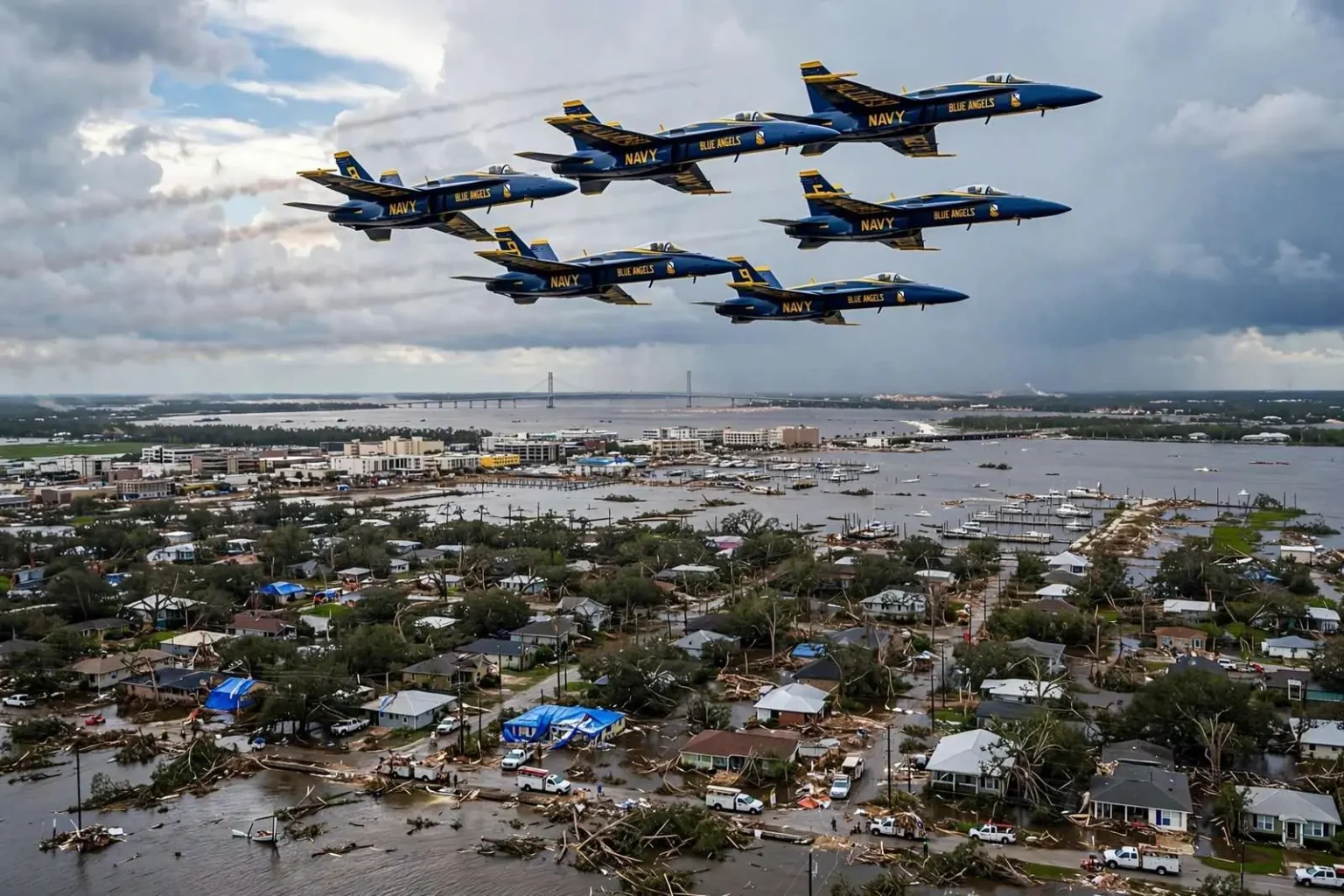
The U.S. Navy Blue Angels took to the skies over Pensacola in a tribute flyover honoring the city’s grit in the days after Hurricane Sally hammered the Gulf Coast, giving residents on the ground a rare midweek spectacle that doubled as a salute to their own resilience. The flight demonstration team is based at Naval Air Station Pensacola, making the salute a homecoming of sorts for the squadron — the Navy’s most visible ambassadors flying directly over the community that has hosted them since the 1940s and that turns out by the hundreds of thousands every November for their homecoming air show.
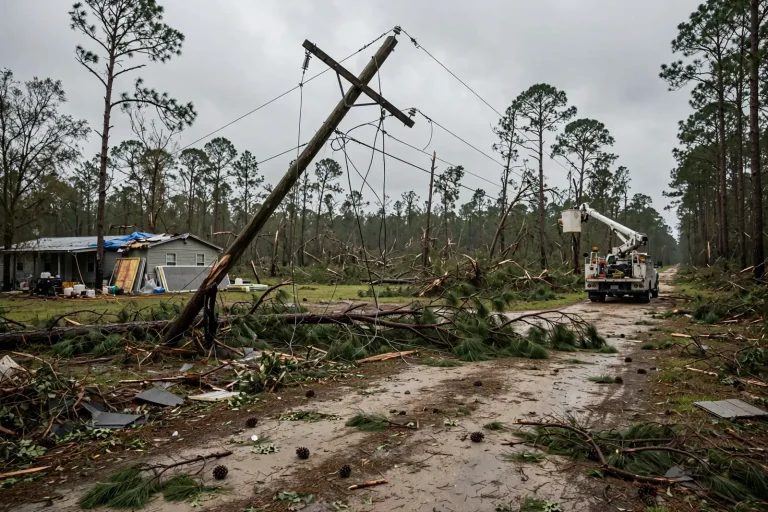
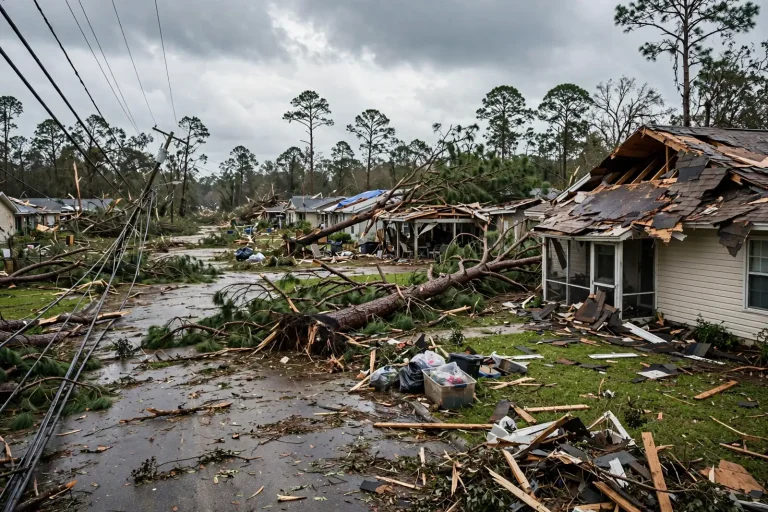
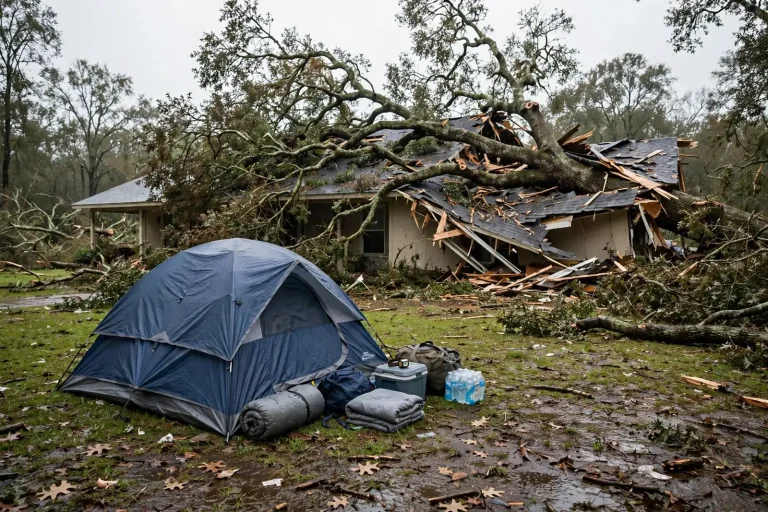
The flyover came at a moment when the region badly needed a lift. Sally had come ashore just days earlier as a Category 2 hurricane, leaving widespread damage across the western Panhandle and toppling trees and power lines throughout the Pensacola area. Neighborhoods that had survived Hurricane Ivan in 2004 and Hurricane Dennis in 2005 found themselves once again clearing downed oaks from streets, waiting in gas lines and living without electricity, some for days or longer. Escambia County and the surrounding communities reported damage to homes, schools and businesses, and crews from across the region poured in to restore power and clear debris.
Pensacola Mayor Grover Robinson said he was grateful for what he called an incredible show of support as recovery from the September 2020 storm got underway. The mayor had been a constant public presence in the days since landfall, appearing in briefings and touring damaged neighborhoods as the city sized up the scope of the disaster.
“This storm has impacted so many people in our community during a time when many of us were already facing challenging times, but I know we will recover,” Robinson said. “Pensacola is a strong, resilient community, and we will be even stronger once we get through this together.”
The mayor’s reference to challenging times carried obvious weight. The flyover came in a year when the community had already absorbed the COVID-19 pandemic, its economic fallout and a summer of upheaval, and Sally arrived just as residents were adjusting to the rhythms of a strange and difficult season. Robinson’s message was that the hurricane was one more trial for a community with a long record of enduring them — and that the recovery, like those before it, would be a shared effort.
A Homecoming Salute
For the Blue Angels, the flight was personal. The squadron has called Naval Air Station Pensacola home for generations, and its pilots and support personnel live in the very neighborhoods the storm battered. NAS Pensacola itself sustained significant damage in the storm, adding the base to the long list of local institutions working through cleanup and repairs. The relationship between the team and the city runs deep: residents watch practice shows from the base’s visitor galleries on most Tuesday and Wednesday mornings during the show season, and the Blues’ annual November homecoming air show is one of the largest events of its kind in the country.
Cmdr. Brian Kesselring, the Blue Angels’ commanding officer and flight leader for the flyover, framed the flight as thanks to the region’s emergency workers and residents alike. He noted that the squadron’s members are neighbors to the people they were saluting, sharing in the same recovery.
“We hope this flight over Pensacola provides a touching display of appreciation for the thousands of Hurricane Sally first responders and the continued resolve of the people of this community,” Kesselring said. “We will get through this, just like we have so much this past year. We are all in this together.”
Flyovers have become one of the military’s most visible ways of honoring communities in hard moments. The Blue Angels in particular have used formation flights to salute healthcare workers, first responders and frontline employees throughout 2020, flying over hospitals and city centers across the region as the pandemic stretched emergency medical staffs thin. The Pensacola flight followed that pattern, tracing a route over the city so that residents — many of them standing in their yards amid storm debris — could step outside and look up.
The squadron’s six F/A-18 Hornets flying in tight formation are a familiar sight over Pensacola Beach and downtown, but the context changes the meaning. In air show season, the jets entertain; in a tribute flyover, they acknowledge. Residents who had spent days cutting trees off roofs and hauling branches to curbs paused to watch, and for many the roar of the deltas passing overhead served as a reminder that the recovery effort — the linemen, tree crews, emergency managers and volunteers at work across the Panhandle — had not gone unnoticed.
The Storm and the Recovery
Sally’s landfall near Gulf Shores, Alabama, put Pensacola on the strong eastern side of the storm, where the onshore wind push drove a significant storm surge into Pensacola Bay and the downtown waterfront. The surge flooded streets and ground-floor structures along the bayfront, while hurricane-force winds inland did the broader damage: thousands of trees down, roads blocked, and a power grid knocked out across wide swaths of Escambia and Santa Rosa counties. Utility crews converged on the area from multiple states to begin what became a lengthy restoration effort, and schools and businesses closed while the community dug out.
The September 2020 storm was one of a rapid series of Gulf landfalls that season, a stretch that kept emergency management officials across the coast in a near-constant cycle of preparation, response and recovery. For the western Panhandle, still rebuilding from Hurricane Michael’s devastation to the east in 2018, Sally was a fresh reminder of the region’s exposure — and of the regional network of responders that activates every time a storm takes aim at the coast.
Officials stressed in the days after landfall that recovery would be measured in weeks and months, not days, as residents navigated insurance claims, debris removal and repairs. But the tone of the moment, reinforced by both the mayor and the Blues’ flight leader, was one of resolve. The flyover did not fix a roof or restore power, and it was not meant to. It was a signal — from the mayor’s office and from the Navy’s premiere flight team, in the city they both call home — that Pensacola’s recovery had the full weight of its community and its military neighbors behind it.
For a city that has weathered Ivan, Dennis, Michael and now Sally in under two decades, resilience is not an abstraction. It is a working routine of chainsaws, insurance adjusters and neighbors helping neighbors, punctuated now and then by a formation of Navy jets climbing over the bay to say, in the loudest way available: this community is seen, and it is not alone.
The tribute also highlighted the practical role Naval Air Station Pensacola plays in the region’s recovery cycle. The base, home not only to the Blue Angels but also to the Naval Education and Training Command and thousands of students, instructors and civilian employees, is one of the largest employers in the western Panhandle. When a storm strikes, its property is part of the cleanup ledger, and its personnel are part of the affected population — families without power, homes without roofs, classrooms disrupted. The flyover in that sense saluted a community the squadron belongs to, not merely observes.
Local officials used the days following the flight to keep residents focused on the practical work of recovery. Emergency management teams urged people to report damage so that state and federal assessments could capture the full scope of the storm, a step that opens the door to disaster assistance programs if thresholds are met. Residents were cautioned about downed power lines, generator safety and the risks of carbon monoxide poisoning — standard but essential warnings in the week after a hurricane, when the temptation to run a generator indoors or in a garage remains one of the most dangerous parts of any recovery.
Churches, civic groups and businesses across the Pensacola area mobilized quickly in the same spirit the flyover represented. Distribution points for water, ice and meals sprang up around the county; volunteers with chainsaws helped clear streets for older neighbors; and the region’s tradition of Gulf Coast mutual aid — so visible after Ivan and Michael — reasserted itself within hours of Sally’s departure. The storm tested the infrastructure, but the response drew on the same reserve of community networks that Robinson described when he called Pensacola strong and resilient.
The Blue Angels’ presence in the sky, meanwhile, served as a morale marker in a year that had offered few of them. The team’s 2020 show season had already been reshaped by the pandemic, with events canceled and rescheduled across the country, and the squadron had pivoted to flyover salutes as a way to keep honoring communities without crowds. The Pensacola flight fit that pattern while adding the emotional charge of a hometown event. Spectators lined roadsides and front lawns for a look, and photos and video of the jets over the damaged city circulated widely on social media within minutes, extending the reach of the salute far beyond those who saw it in person.
Weeks and months of rebuilding remained ahead — insurance claims to file, debris to haul, roofs to replace — but the flyover fixed the emotional tone of the recovery’s first week. The mayor had said the community would come through this stronger together; the Navy’s homecoming squadron put six jets in formation over the bay to underscore the point. In Pensacola, where the Blue Angels are as much a part of local identity as the beach itself, that was a message residents were ready to hear.