

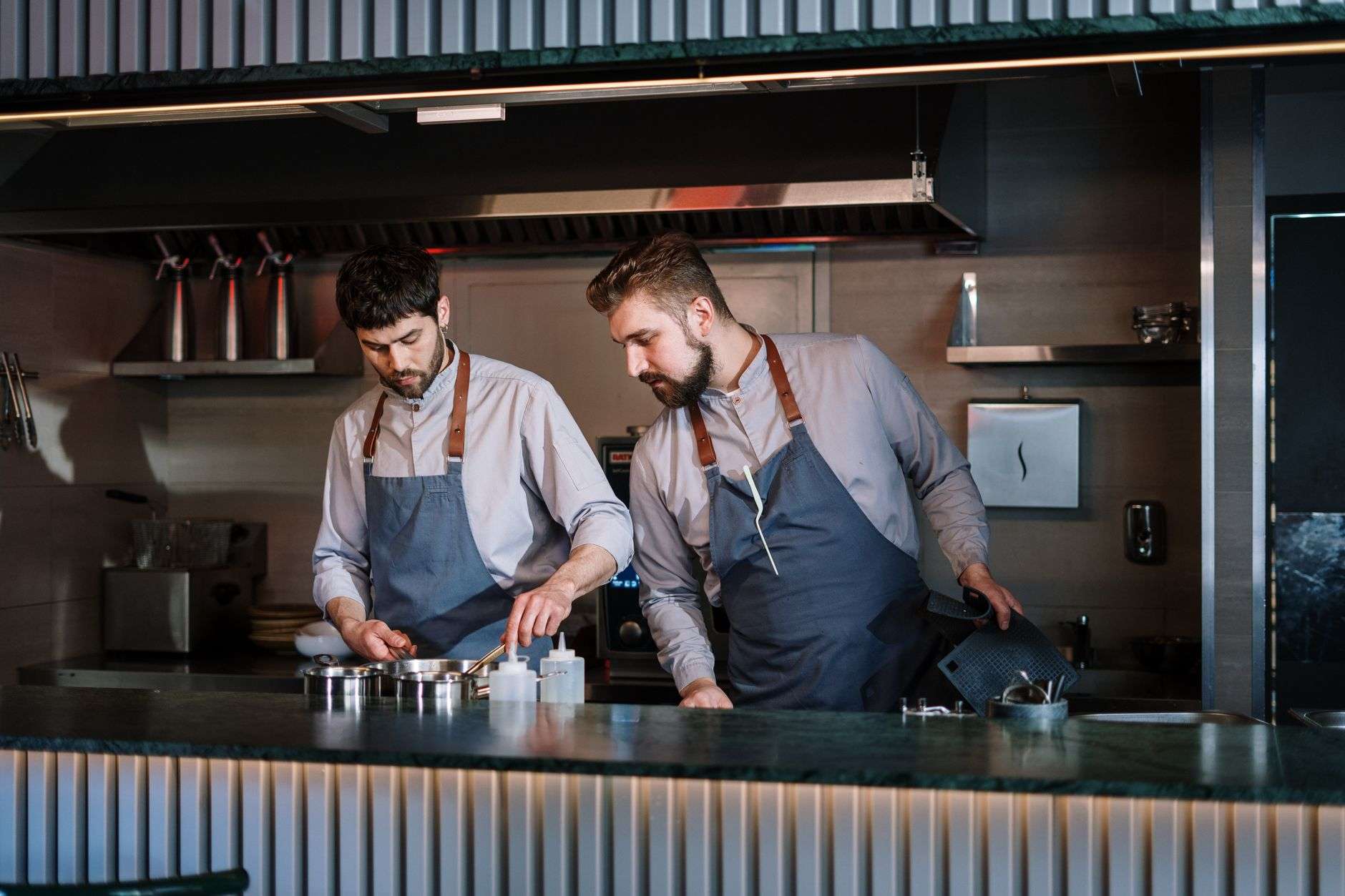
MOBILE, Ala. — At the Continental Kitchen on Azalea Road, a family catering business called Grub 2 Go is turning a household’s worth of heritage into a menu, blending the Cajun cooking of south Louisiana with the flavors of the Dominican Republic and Puerto Rico.
The business is a family affair. Kristi Guillen runs it with her husband and three of their daughters, and the food reflects where each of them comes from. Guillen grew up in Louisiana. Her husband is from the Dominican Republic. Their daughters spent part of their lives living in Puerto Rico.
Their story is also a snapshot of what the Continental Kitchen was built to do. The shared commercial kitchen serves as an incubator for small food businesses, giving would-be caterers, bakers and food truck owners a licensed place to cook without the cost of building a kitchen of their own.
Cajun roots, Caribbean flavor
Guillen describes Grub 2 Go as a Cajun- and Caribbean-influenced business, with recipes that trace back to the women who raised the family.
“Our business is a Cajun and Caribbean influenced business. I’m originally from Louisiana — my husband is from the Dominican Republic and our girls actually lived in Puerto Rico for part of their lives. So a lot of the influence from the food comes from my mom and their abuela back in Puerto Rico,” Guillen said.
The combination is less of a stretch than it may sound. Louisiana’s Creole and Cajun traditions and the cooking of the Spanish-speaking Caribbean share a long history of trade and migration around the Gulf of Mexico and the Caribbean Sea. Both lean on rice, beans, peppers, onions, garlic and slow-built layers of seasoning, and both grew out of a mix of European, African and Indigenous influences.
A culinary graduate in charge of the kitchen
The family’s head chef is Guillen’s daughter Lara, a recent culinary graduate. She is the one who takes the family’s different traditions and turns them into dishes.
“So she’ll take some Louisiana… and she’ll take some Dominican or Puerto Rican — and she’ll put it all together and come up with something that is just amazing,” Guillen said.
One of her signature items is the family’s take on the chimi burger, a Dominican street food favorite. The chimi, as it is commonly called, is typically a seasoned beef patty served on soft bread and piled with shredded cabbage, onion, tomato and a creamy sauce. In the Dominican Republic, it is a staple of late-night food carts and roadside stands.
Picadera boxes for Hispanic Heritage Month
The family’s story comes during National Hispanic Heritage Month, which runs each year from Sept. 15 to Oct. 15. The observance recognizes the histories, cultures and contributions of Americans whose roots trace to Spain, Mexico, the Caribbean and Central and South America. Its mid-September start coincides with the independence anniversaries of several Latin American countries.
To mark the month, Grub 2 Go is offering picadera boxes through Oct. 15. Each box is sized to feed a family of four.
In Dominican homes, a picadera is a spread of finger foods meant for sharing, the kind of platter that comes out for parties, holidays and family gatherings. The word comes from the Spanish verb picar, meaning to nibble or snack.
What the Continental Kitchen is
Grub 2 Go does its cooking at the Continental Kitchen, a nonprofit shared-use commercial kitchen and business incubator at 260 Azalea Road in west Mobile, near Airport Boulevard.
Nailim Sanchez, the kitchen’s executive director, said the facility’s mission is straightforward.
“So anybody that wants to start a small food business we are here to help you,” Sanchez said.
According to Sanchez, the kitchen has helped more than 65 businesses since it opened about two and a half years ago. Members have round-the-clock access to a fully equipped commercial kitchen, and the space is set up to serve food trucks, caterers, bakers and juice makers. The kitchen’s own materials list walk-in refrigeration and freezer space, cold and dry storage, dedicated stations for prepping, baking, cooking and frying, and an area for packaging and labeling products.
The building doubles as an event venue. It can hold 150 people standing or 125 seated.
How a shared kitchen helps a new business
For anyone hoping to sell food to the public, the kitchen is often the biggest hurdle. Food prepared for sale generally has to come from a permitted commercial kitchen that meets health department standards, and food trucks typically need a licensed base of operations where they can prep ingredients, store supplies and clean equipment.
Building or leasing a commercial kitchen can cost more than a startup can afford. A shared kitchen spreads that cost among many users, who rent time and storage rather than carrying the full expense of a building, equipment and utilities. That lets entrepreneurs test recipes, build a customer base and prove their business can make money before taking on bigger financial commitments.
That has been the case for Grub 2 Go, which has kept its overhead lower by working out of the shared space while it gets its food truck ready to roll.
“They’ve just been phenomenal — they’ve taught us a lot about running the business. They’ve taught us a lot about how to keep our records straight and providing everything that we need to be able to get our food ready, prepared and out the door,” Guillen said.
Guillen’s comments point to the incubator side of the operation. Beyond the equipment, the kitchen offers classes and training and helps members with the business basics that often trip up new food entrepreneurs, from recordkeeping to licensing and permitting.
Built with community and county support
The Continental Kitchen grew out of the work of the Hispanic American Business Association of the Gulf Coast, a nonprofit that has operated the project as a commissary kitchen and incubator.
The Mobile County Commission put $350,000 in federal American Rescue Plan Act money toward the project, according to the county. When the county highlighted the kitchen in 2024, the association’s president, Leida Javier, called it “a workforce and economic development project that will change lives.”
The county said the project drew on a wide network of partners, including Bishop State Community College, Coastal Alabama Community College, the Innovation Portal, the Mobile Chamber’s Business Navigator program, the Alabama Cooperative Extension System, AARP and local chefs and business leaders. Before the kitchen was finished, more than 60 community members completed food certifications and hands-on training through partner community colleges.
Plans to grow
Sanchez said the Continental Kitchen intends to expand as Mobile grows and described it as filling a gap in the local food landscape.
“It feels great to be able to help our community. It is very needed and not only that as a city we are growing exponentially — and one thing that we have noticed is that we don’t have a variety of food and we need to be able to bridge that gap by not being a food desert anymore,” Sanchez said.
The term food desert usually describes an area where residents have limited access to affordable, nutritious food. Every small food business that gets off the ground adds another option for local diners, whether it is a food truck parked at a lunchtime stop, a caterer serving a family reunion or a baker selling at a farmers market.
At a glance
- Business: Grub 2 Go, a family-run Cajun and Caribbean catering business preparing to launch a food truck
- Head chef: Lara Guillen, a recent culinary graduate
- Special: Picadera boxes that feed a family of four, available through Oct. 15
- Kitchen: The Continental Kitchen, 260 Azalea Road, Mobile
- Track record: More than 65 businesses helped in about two and a half years
- Access: 24/7 kitchen access for members; serves food trucks, caterers, bakers and juicers
- Event space: 150 standing or 125 seated
For aspiring food entrepreneurs
Anyone thinking about starting a catering company, bakery, food truck or packaged food line can contact the Continental Kitchen about membership, training and kitchen time. The kitchen can be reached at 251-724-0660 or [email protected], and more information is available at continentalkitchen.org.