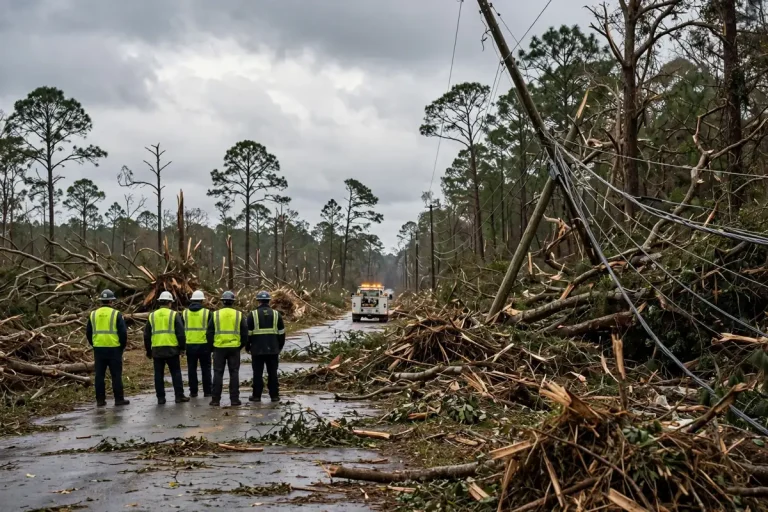
Final Isaias Debris Pickup Starts Nov. 16 in Monroe, Wilcox Counties; Piles Due by Nov. 15
ALDOT’s contractor will begin its last pass for Hurricane Isaias debris in Monroe and Wilcox counties on Nov. 16. Residents along listed highways should have sorted, loose debris in the right-of-way by Nov. 15.
MONROE COUNTY, Ala. — The final Isaias debris pickup along state-maintained roads in Monroe and Wilcox counties starts Monday, Nov. 16, and residents have until Sunday, Nov. 15, to get eligible storm debris to the roadside, the Alabama Department of Transportation said.
DRC Emergency Services LLC, ALDOT’s contractor, will make the last pass along the U.S. highways and state routes listed below. ALDOT warned that anything placed out after the deadline may not be collected on this pass.
Roads included in the final pass
Monroe County
- U.S. Highway 84
- State Routes 59, 21, 136, 41, 47, 265 and 83
Wilcox County
- State Routes 41, 265, 21, 47, 10, 164, 28, 221, 5, 25, 89 and 162
How to sort and place debris
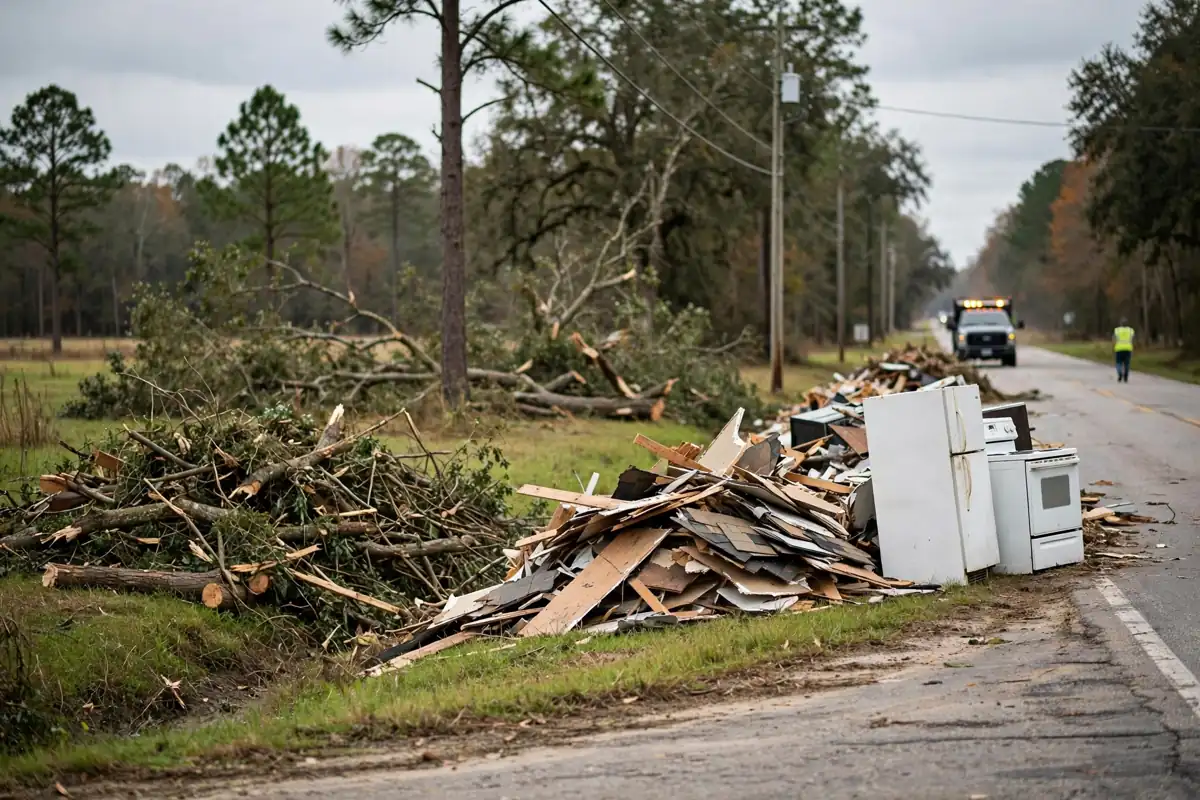
ALDOT asks residents to keep debris in separate piles by type:
- Vegetative debris: trees, stumps, branches, trunks and other yard debris
- Construction and demolition debris: damaged building materials such as lumber, drywall, glass, metal, roofing and tile, along with damaged furnishings
- White goods: appliances damaged by Isaias, such as freezers, ovens and refrigerators, set curbside in their own separate pile
Debris needs to sit in the public right-of-way, which ALDOT describes as the strip between the road and the property. It typically reaches to the sidewalk, ditch, utility pole or easement.
The department also gave these reminders:
- Crews will take loose debris only, so do not set out bagged debris.
- Keep piles away from fire hydrants, water meter vaults and other above-ground utilities.
- Do not put debris in the roadway or on road shoulders.
How the cleanup has unfolded
ALDOT contractors started the first round of pickup Oct. 19 along affected interstate, state and U.S. routes in Conecuh, Escambia, Monroe and Wilcox counties, which the department identified as the hardest-hit areas of its Southwest Region. The first announcement focused on vegetative debris, and construction and demolition debris was added to the eligible list when the work began.
The new notice covers only Monroe and Wilcox counties and does not address a final pass in Conecuh or Escambia counties.
ALDOT’s contractors work only along state-maintained roads. Earlier guidance from the department said cities and counties will coordinate collection along the roads they own, so residents on county roads or city streets should check with local officials. Household trash and debris outside the collection area are not eligible. ALDOT has also said contractors may photograph piles to document that the material qualifies for federal reimbursement.
Isaias recovery in Monroe and Wilcox counties
Isaias made landfall near Destin, Fla., on the evening of Oct. 9 as a Category 2 hurricane and moved north across south Alabama. Alabama Power has said some of its most severe damage was in Escambia and Monroe counties, where crews had to rebuild sections of the electric system. The Alabama Forestry Commission’s preliminary estimate of more than $33.5 million in timber damage centered on Conecuh, Escambia and Monroe counties.
Monroe and Wilcox are both among the 23 counties in Gov. Kay Ivey’s Oct. 23 request for a federal major disaster declaration. Ivey also asked for Individual Assistance for residents in Monroe County, along with Conecuh and Escambia counties and the Poarch Band of Creek Indians.