Free Cybersecurity Workshop at Foley Library Nov. 12 Teaches Residents to Spot Scams, Fraud
Gulf Shores High School cybersecurity teacher Jamie McClung will lead a free cybersecurity workshop at the Foley Community Library from 4 to 5:30 p.m. Nov. 12 on avoiding scams and protecting personal information.
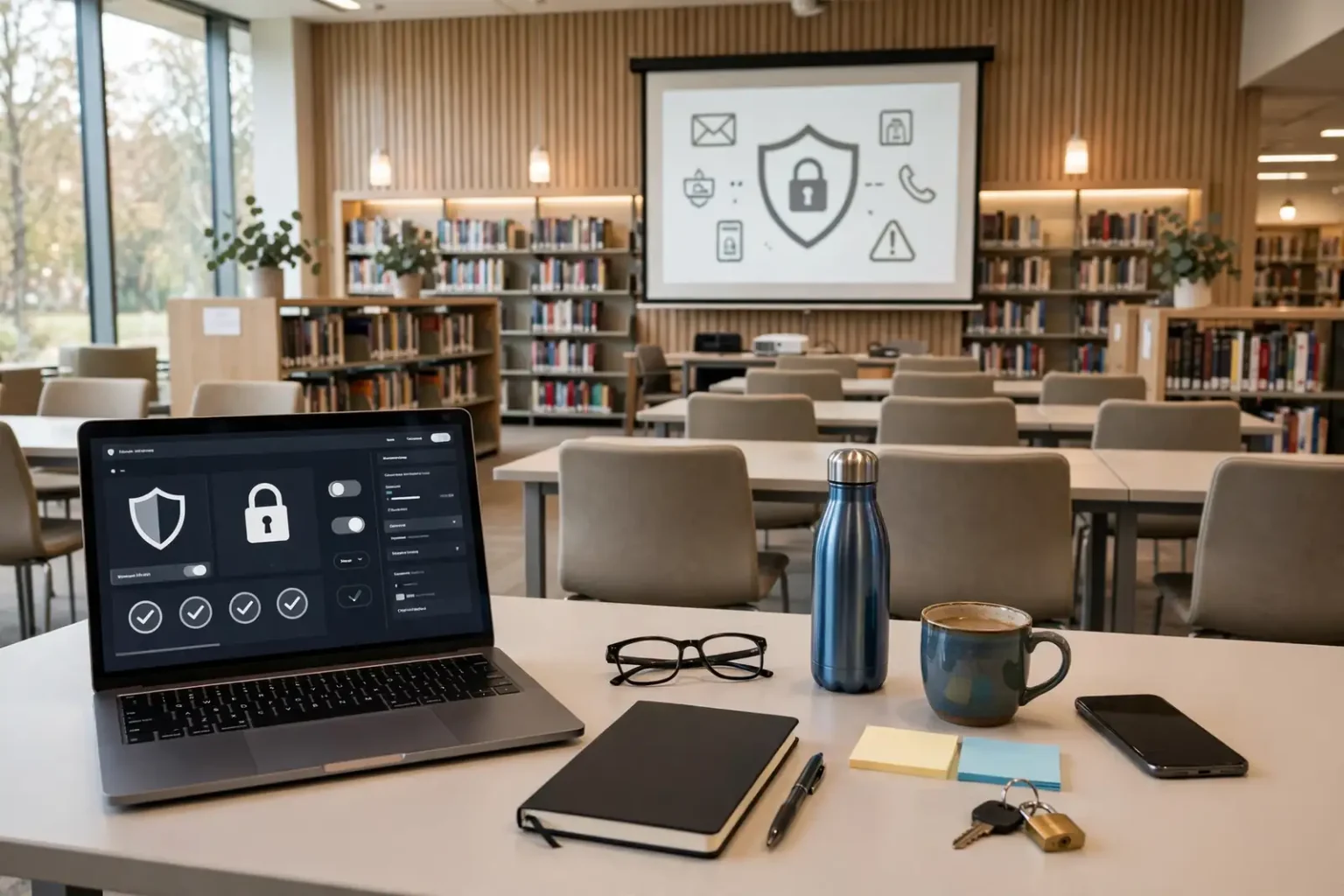
FOLEY, Ala. — Residents who want to get better at spotting online scams and protecting their personal information can attend a free cybersecurity workshop at the Foley library on Thursday, Nov. 12, led by Gulf Shores High School robotics and cybersecurity teacher Jamie McClung.
The 90-minute session runs from 4 to 5:30 p.m. at the Foley Community Library. Admission is free. McClung, a Foley resident, will walk participants through practical steps to recognize online hazards, secure personal devices and block unauthorized access to sensitive financial and personal information.
Workshop details
- What: Free cybersecurity workshop on protecting yourself from scams, fraud and online threats
- When: Thursday, Nov. 12, 2026, 4 to 5:30 p.m.
- Where: Foley Community Library, 230 E. Orange Ave., Foley
- Cost: Free
- Presenter: Jamie McClung, Gulf Shores High School robotics and cybersecurity teacher
The library’s regular hours are 9 a.m. to 7 p.m. Monday through Thursday and 9 a.m. to 5 p.m. Friday and Saturday. It is closed on Sundays. More information is available through the library at foleylibrary.org.
Why the library is offering the class
The library is presenting the workshop as a way to give coastal residents practical, real-world tools to defend themselves against the scams and digital attacks they encounter every day. In announcing the session, the library noted that fraud reaches everyone from local governments to ordinary households, with threats ranging from very large thefts from cities to the fake online shopping offers and phony delivery notices that routinely land in residents’ inboxes and text messages.
Taking a proactive approach to digital safety, the library said, protects individual privacy and also makes the wider coastal community more resilient.
Fraud close to home
The workshop comes during a period of heightened local attention to fraud. In Mobile, city officials disclosed on Oct. 20 that $14.7 million in city funds had been transferred to what the administration called a “fraudulent entity.” The FBI and the U.S. Secret Service are investigating, and the Mobile City Council plans to question Mayor Spiro Cheriogotis’ administration about the loss at its regular meeting on Tuesday, Oct. 27, as South AL News has reported. The administration has said the payment was tied to construction of the new Regions Arena and would be covered by the project’s contingency budget.
Scams have also followed Hurricane Isaias. In October, South AL News reported warnings from experts urging donors to watch for fraudulent fundraising appeals and cautioning homeowners about storm repair scams as the region recovers.
The national picture
Reported fraud losses have climbed sharply in recent years. Americans reported losing a record of about $15.9 billion to fraud in 2025, up from about $12.5 billion in 2024, according to Federal Trade Commission data. The FTC received roughly 3 million fraud reports last year.
Among the trends in the FTC’s 2025 data:
- Investment scams caused the largest losses, about $7.9 billion, or nearly half of the total.
- Imposter scams, in which someone pretends to be a government agency, a business, a relative or another trusted party, were the most commonly reported type of fraud, with more than 1 million reports and more than $3.5 billion in losses.
- Text messages were the most common way scammers first made contact.
- Social media contacts were linked to the highest reported losses.
- Bank transfers and payments accounted for the most money lost, followed by cryptocurrency.
The FTC has noted that many people never report fraud, so the true cost is likely far higher than the reported totals.
About the presenter
McClung teaches computer science, robotics and cybersecurity at Gulf Shores High School, where his students have built a strong record in competition. As South AL News reported in September, a Gulf Shores High team finished third overall in the Cyber Cup at the 2026 National Cyber Summit in Huntsville, trailing only two college teams, while a second Gulf Shores team competing for the first time finished 10th of 16 and placed ahead of several college squads.
The school’s cybersecurity students have also placed well in University of Alabama competitions, and its robotics team earned the Rookie All-Star Award at the 2026 Magnolia Regional. In May 2026, McClung received the Chiquita Marbury Technology Innovation Award, which recognizes educators for exemplary technology teaching and leadership. He also served on the statewide committee that developed Alabama’s Digital Literacy and Computer Science Standards.
About the Foley Community Library
The workshop will be held in the city’s new library, which opened Aug. 4, 2026, on East Orange Avenue. The $20 million, 40,000-square-foot library and community center includes a sensory room, children’s and teen areas, a STEAM-STEM lab and a multipurpose meeting room that seats 277. Library Director Kate Norris leads a staff of about 25.
The library has been expanding its programs since the move. Earlier this month, the Foley City Council accepted $17,000 in donations and grants for the library, including money for additional Saturday staffing and for the STEAM Lab, as South AL News reported.
Basic steps to protect yourself now
The workshop will cover McClung’s own recommendations in detail. In the meantime, federal agencies including the FTC and the Cybersecurity and Infrastructure Security Agency regularly advise consumers to follow a few basic practices:
- Slow down with unexpected messages. Be wary of texts, emails and calls that claim there is a problem with a package, an account or a payment and urge you to act immediately.
- Don’t click links in unexpected messages. If a message says it is from your bank, a delivery company or a store, go directly to the company’s official website or app, or call a number you know is real.
- Use strong, unique passwords. Avoid reusing the same password across accounts. A password manager can help keep track of them.
- Turn on multifactor authentication. Requiring a second step, such as a code or an app approval, makes it much harder for someone with a stolen password to get into an account.
- Keep software updated. Install updates for phones, computers, browsers and apps, which often fix security weaknesses.
- Watch how you’re asked to pay. Requests to pay with gift cards, wire transfers, cryptocurrency or payment apps to someone you don’t know are common warning signs of a scam.
- Check your accounts. Review bank and credit card statements regularly and report unfamiliar charges right away.
Where to report scams
- Report fraud and scams to the Federal Trade Commission at ReportFraud.ftc.gov.
- Report internet crimes to the FBI’s Internet Crime Complaint Center at ic3.gov.
- Contact your bank or card issuer immediately if you think your financial information was compromised.
- Contact local law enforcement, such as the Foley Police Department, if you have lost money or believe you are being targeted.