

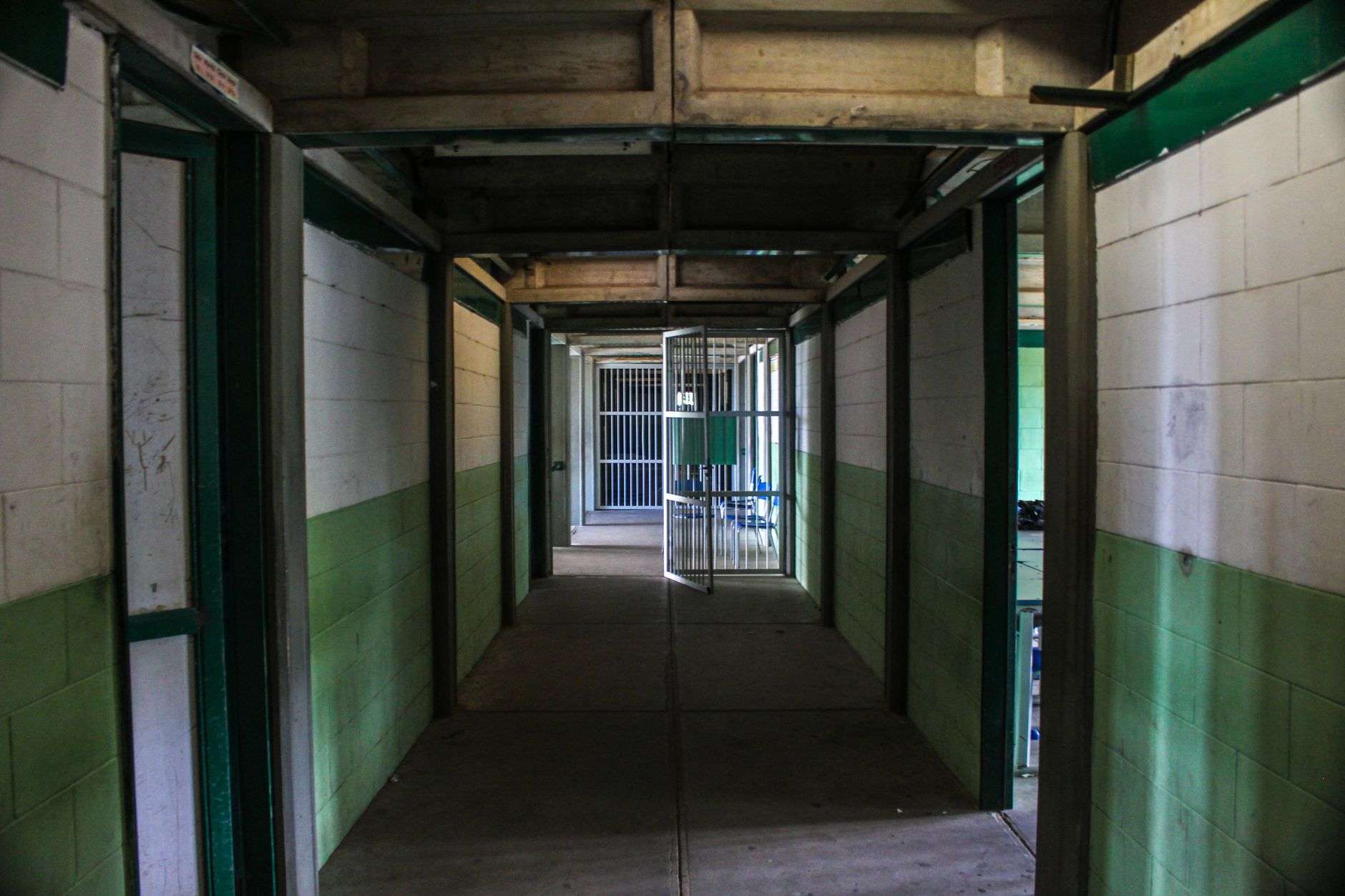
BIRMINGHAM, Ala. — A woman serving a life sentence for a 1994 Monroe County murder died Tuesday morning after becoming ill at a Birmingham community work center.
Gloria Jean Baldwin, 67, was at the Birmingham Women’s Community Based Facility when she fell ill. She was transferred to Brookwood Hospital, where she died.
No Evidence of Trauma
Jefferson County Coroner Bill Yates said a postmortem examination found no evidence of trauma or foul play in Baldwin’s death.
The final cause of death will be determined pending lab studies.
Postmortem examination in a custodial death is standard practice. Deaths in correctional custody receive independent review regardless of apparent cause, both because the state has a duty of care toward people it incarcerates and because the absence of an independent finding would leave questions unanswerable.
Toxicology and laboratory studies routinely take weeks, which is why a cause of death is frequently pending well after an initial examination rules out trauma.
The Case
Baldwin was arrested in 1994 and charged with capital murder in Monroe County. She was sentenced to life in prison in 1996 after reaching a plea agreement.
A plea agreement in a capital case typically resolves the most serious exposure a defendant faces. Capital murder in Alabama carries only two possible sentences on conviction: death, or life without the possibility of parole. A negotiated plea that produces a life sentence — rather than life without parole — preserves the possibility of parole consideration, which is generally the central objective of such an agreement from the defense side.
The 2021 Resentencing Request
In 2021, a Monroe County judge denied Baldwin’s request to reconsider her sentence under changes to Alabama’s Habitual Felony Offender Act.
Alabama’s habitual offender statute increases sentencing exposure based on prior felony convictions, and in its stricter historical form it produced life sentences for offenses that would not otherwise have carried them. Subsequent legislative changes narrowed its application and created a mechanism for some individuals sentenced under the older framework to seek reconsideration.
Those petitions are decided case by case, and denial is common. The standards limit eligibility, and a judge retains discretion even where a petitioner qualifies.
Parole
According to prison records, Baldwin was denied parole in June 2025, and the hearing was reset to 2026. No record shows a 2026 hearing.
Alabama’s parole grant rates have declined substantially over the past several years, a shift documented across the state’s correctional system. When parole is denied, the Alabama Board of Pardons and Paroles sets a date for reconsideration, which can be years out.
A reset to 2026 from a June 2025 denial would have been a comparatively short interval. Baldwin died before it occurred.
What a Community Work Center Is
The Birmingham Women’s Community Based Facility is not a maximum-security prison.
Alabama’s community-based facilities and work release centers house incarcerated people classified at lower custody levels, often those nearing the end of a sentence or those who have maintained long records of good conduct. Residents may participate in work release programs, holding jobs in the community and returning to the facility.
Placement in such a facility reflects a classification decision by the Department of Corrections based on custody level and institutional record. For someone serving a life sentence, reaching a community-based facility generally indicates decades without significant disciplinary incident.
Thirty-Two Years
Baldwin was arrested in 1994 at age 35 and died in custody at 67. She spent roughly 32 years incarcerated — nearly half her life, and effectively all of it from middle age onward.
Alabama’s prison population has aged significantly, a consequence of long sentences, habitual offender enhancements and declining parole grants. Older incarcerated people cost substantially more to house, largely because of medical care, and they represent the lowest-risk segment of the population by recidivism measures.
Deaths of aging people serving long sentences have become a routine feature of the system. Each one is also a person whose case had a history, a victim, a family and, in this instance, an unresolved parole hearing.
What Remains Pending
The final cause of death awaits laboratory results. The coroner’s initial finding — no evidence of trauma or foul play — indicates the death is not being investigated as a criminal matter.