Gulf Shores Honors Recreation Employee Who Broke Into Wrecked Car to Aid Family
Gulf Shores recreation employee Laura Davis was honored with the city's Heroic Life-Saving Award after breaking into a wrecked car in October, performing CPR and staying with a trapped child until rescuers freed her.
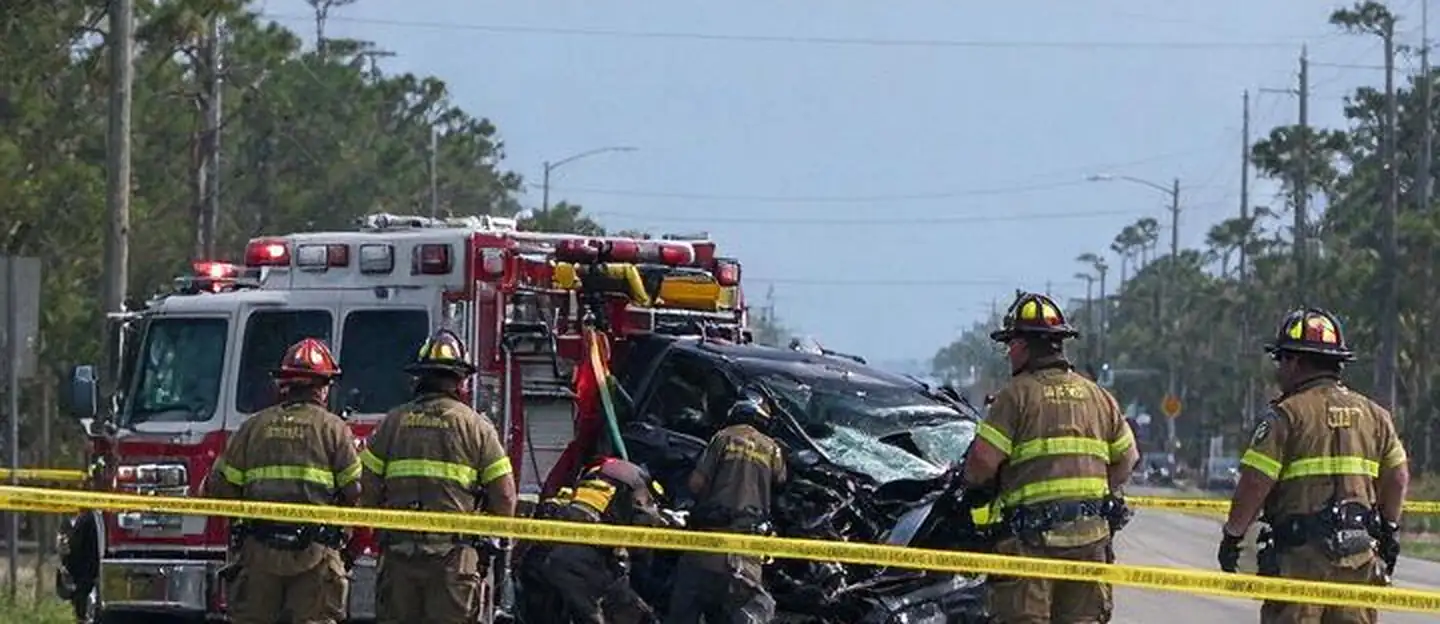
GULF SHORES, Ala. — When Laura Davis came upon a wrecked vehicle in October with no first responders yet on scene, she did not drive past. The Gulf Shores recreation employee forced her way into the locked car, started CPR on an unconscious driver and stayed beside a trapped little girl until rescuers could cut her free, and this week the city formally thanked her for it.
Davis, who works as an athletic coordinator for the city’s recreation programs, was presented with the Gulf Shores Heroic Life-Saving Award during Monday’s City Council session on Nov. 23, 2026. The recognition honors a roughly 30-minute rescue in which, according to city officials, everyone in the vehicle survived.
Inside the rescue
As city leaders described it during Monday’s meeting, Davis reached the crash ahead of any other help. Two adults were inside the vehicle, both unconscious, and the doors were locked.
She grabbed a tire iron, smashed a window and climbed inside the damaged vehicle. Once in, she checked on the two adults and tried to rouse them. That is when she found a third occupant: a young girl buckled into the back seat.
Other drivers soon began pulling over. With their help, the two adults were taken out of the vehicle. Davis then began performing CPR on the driver, who remained unconscious, before going back to the car to tend to the child.
The girl could not simply be lifted out. Davis fitted her with a neck brace and stayed close, comforting her while emergency crews arrived and went to work. Rescuers ultimately used hydraulic rescue tools, commonly called the Jaws of Life, to free the child from the wreckage.
City officials said Davis stayed calm and focused from start to finish. No one was killed in the crash. The city has not released the names of the people in the vehicle, the exact location of the wreck or details about what caused it.
Training made the difference
Davis has credited recent emergency training she received through Gulf Shores Fire Rescue for her ability to respond. City leaders said her response showed how that kind of preparation can equip ordinary people, not just paramedics and firefighters, to act in the critical minutes before professional help arrives.
City leaders formally recognized Davis at the meeting, and council members voiced their gratitude that she chose to pull over for people she did not know when their lives were at risk. The city noted that her actions went well beyond the duties of her job in the recreation division and reflected the value of emergency preparedness among municipal employees.
What the Heroic Life-Saving Award recognizes
The Heroic Life-Saving Award is a city honor recognizing courage, quick decision-making and service to others in an emergency. Presenting the award at a public council meeting puts that recognition on the record and gives residents a chance to hear how one of the city’s own employees responded when it mattered.
Recognitions like this are common at local government meetings along the Alabama coast, where councils pause routine business to honor first responders, employees and residents whose actions protected others.
Why the first minutes matter
Emergency medicine experts often talk about the critical window after a serious injury or cardiac arrest, when quick action by bystanders can significantly improve the odds of survival. According to the American Heart Association, CPR performed immediately by a bystander can double or triple a person’s chance of surviving cardiac arrest. Yet many people hesitate to step in because they are unsure what to do.
That is why emergency agencies encourage as many people as possible to learn basic life-saving skills. Training typically covers:
- CPR: Recognizing when someone is not breathing normally and delivering chest compressions, including hands-only CPR for untrained or hesitant rescuers.
- AED use: Operating an automated external defibrillator, the portable devices found in many public buildings, schools and sports facilities.
- Bleeding control: Applying direct pressure and, when needed, a tourniquet, as taught in the national Stop the Bleed program.
- Scene safety: Checking for hazards such as traffic, fire or leaking fuel before approaching a crash.
For hands-only CPR on an adult, the American Heart Association advises calling 911 and then pushing hard and fast in the center of the chest, at a rate of 100 to 120 compressions per minute, until help arrives or an AED is available.
Helping safely at a crash scene
Davis’s actions highlight both the value of bystander help and the importance of doing it safely. Public safety agencies generally offer this guidance for people who come upon a crash:
- Pull well off the road, turn on hazard lights and call 911 right away, giving the most precise location possible.
- Watch for oncoming traffic, smoke, fire and fuel leaks before approaching.
- Avoid moving injured people unless they are in immediate danger, since neck and back injuries can be worsened by movement. Keeping the head and neck still, as Davis did with the child, is a common precaution.
- If a person is not breathing and you are trained, begin CPR. If you are not trained, a 911 dispatcher can often walk callers through the steps.
- Comfort and reassure the injured, and stay until first responders take over.
Alabama’s Good Samaritan law offers legal protection to people who, in good faith, provide emergency care at the scene of an accident or emergency without expecting payment. The law is meant to encourage bystanders like Davis to help rather than hold back out of fear of being sued.
How rescuers free trapped passengers
The hydraulic tools used to free the girl are a standard part of fire-rescue equipment. Known by the brand-turned-generic name Jaws of Life, they include spreaders that pry apart metal, cutters that slice through door posts and roof pillars, and rams that push collapsed parts of a vehicle away from the people inside. Powered by hydraulic pumps, they let crews open up a damaged car in minutes, creating space to remove an injured person while keeping the head, neck and spine as stable as possible.
Extrication is careful, deliberate work. While crews cut, someone often stays with the trapped person to keep them calm and still, which is the role Davis filled for the child until rescuers took over.
The protection of a properly used car seat
The girl was secured in the back seat when the crash happened, a detail child safety advocates say can make a major difference. According to the National Highway Traffic Safety Administration, car seats used correctly reduce the risk of fatal injury in passenger cars by 71 percent for infants and 54 percent for toddlers. The agency recommends that children ride in the back seat through age 12 and use a car seat or booster appropriate for their age and size.
Alabama law requires young children to ride in child restraints. Parents who want to confirm a seat is installed correctly can look for certified child passenger safety technicians, who often hold free inspection events through fire departments, hospitals and Safe Kids coalitions.
Where to find training in Baldwin County
Residents who want to be ready for an emergency have several options. The American Red Cross and the American Heart Association offer CPR, AED and first aid courses, both in person and in blended online formats, through instructors across the region. Many local fire departments, hospitals and community colleges also host classes, and some offer free community sessions on hands-only CPR or bleeding control.
Even a short class can build the confidence to act, and refresher courses every couple of years help keep skills current, since certifications from major training organizations typically expire after two years. Those interested in local opportunities can ask their city’s fire department about upcoming classes. Employers, churches, schools and civic groups can often arrange group sessions as well.
A busy stretch of coast
Gulf Shores sees heavy traffic for much of the year as visitors travel to the beaches and residents commute along major routes such as Alabama 59 and the Foley Beach Express. Crashes are among the most common emergencies that fire and rescue crews handle, and on busy roads, a passer-by is frequently the first person to reach the scene.
The city’s recognition of Davis serves as a reminder that those first few minutes, before sirens arrive, can be shaped by whoever happens to stop.