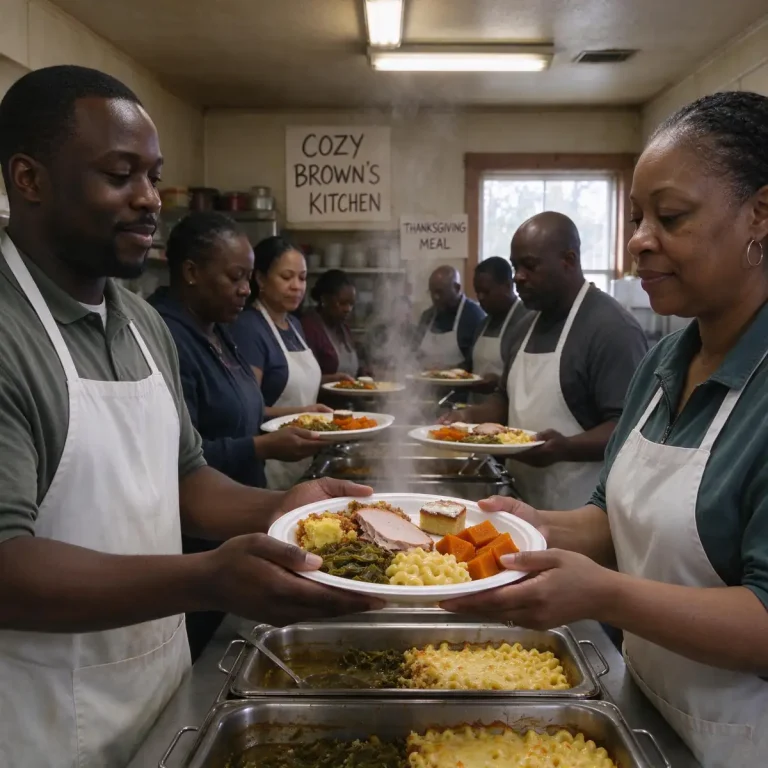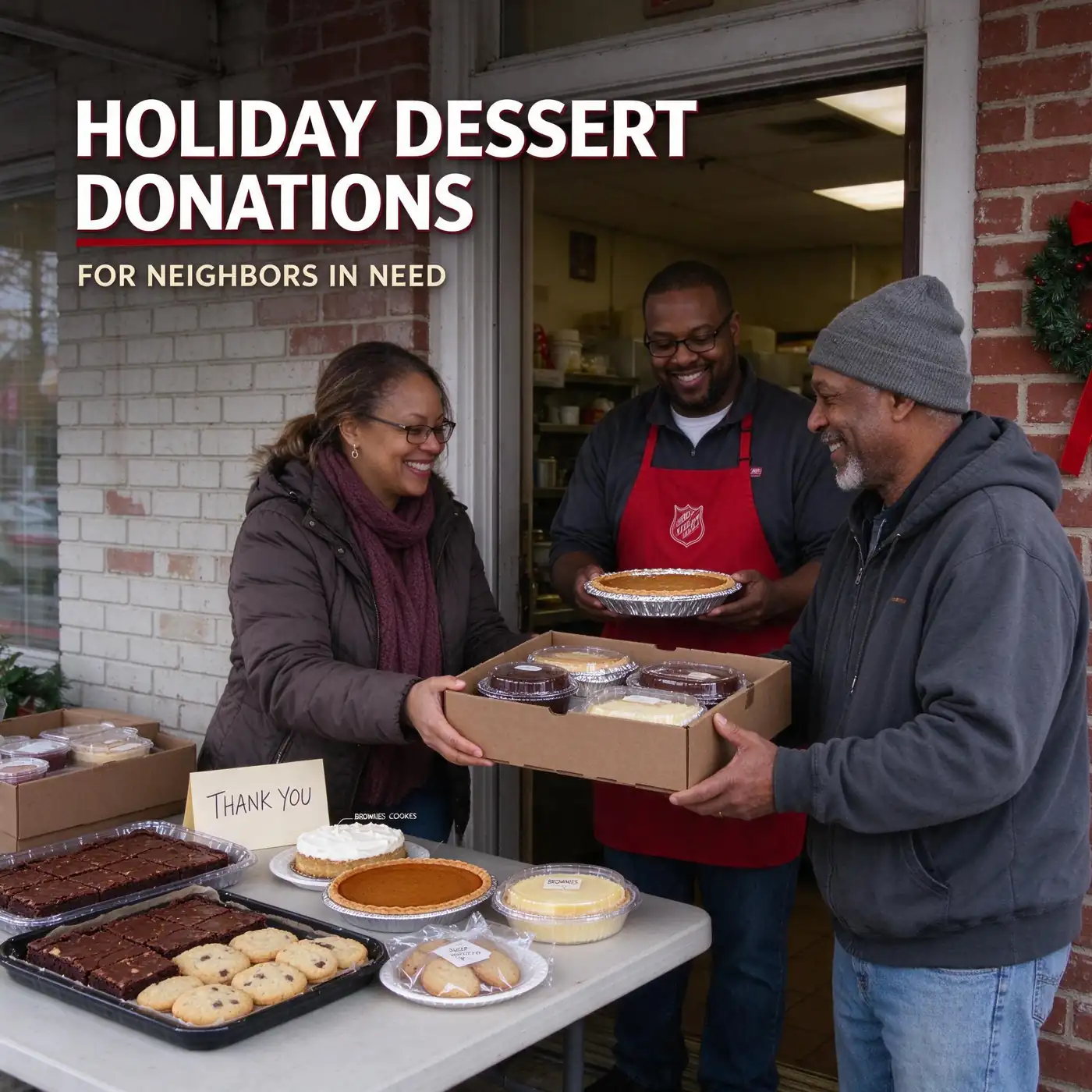
MOBILE, Ala. — A tray of brownies from a home kitchen or a pie picked up at the grocery store could end up brightening a holiday plate for a neighbor in need this season. The Salvation Army of Coastal Alabama hopes to gather holiday dessert donations to serve with its seasonal meals and other assistance in Mobile.
The organization said it will take both homemade and store-bought sweets, from cakes and pies to cookies, brownies and assorted other baked treats. The sweets will be shared through its seasonal meal programs and wider support efforts for individuals and families.
Drop-offs go to the kitchen entrance of the organization’s building at 1009 Dauphin Street, from 8 a.m. to 5 p.m.
How to drop off holiday dessert donations
Donors should head to the Salvation Army of Coastal Alabama building on Dauphin Street, one of the main thoroughfares running through midtown and downtown Mobile. Rather than using the front door, givers are asked to bring their desserts to the kitchen entrance.
- Address: 1009 Dauphin Street, Mobile
- Entrance: the kitchen entrance
- Drop-off hours: 8 a.m. to 5 p.m.
- Accepted: homemade or store-bought pies, cakes, brownies, cookies and similar baked treats
- Who can give: businesses, bakeries, churches, civic groups and individual residents
The organization did not list specific days or an end date for the collection. Anyone planning a large delivery, or bringing desserts close to the holidays, may want to call ahead to confirm the timing works for the kitchen staff.
Sweets of every kind are welcome
There is no need to be a professional baker to help. The Salvation Army said it welcomes desserts made at home as well as those bought from a store or bakery, which opens the door for busy families, students and anyone short on time.
Cakes, pies, cookies and brownies were named as examples, along with other baked goods. A classic sweet potato pie, a pan of lemon bars or a few dozen sugar cookies would all fit the bill.
Store-bought options can be especially practical for donors who want to give quickly. They often arrive sealed, with ingredient labels already printed on the package, which can make them easy for a kitchen to sort and serve.
A community effort open to all
The organization is casting a wide net for help. Officials said help is welcome from churches, bakeries, local businesses and civic organizations, as well as from individual residents.
That kind of broad invitation leaves room for creativity. A workplace could hold a bake-off and donate the entries, a church fellowship group could pool its baking, or a civic club could turn a regular meeting into a cookie-decorating session with the results headed to Dauphin Street.
Local bakeries and restaurants may also be in a position to help. Businesses that bake in volume are often able to set aside extra pies or sheet cakes during the busy holiday season.
Families can make a donation into a holiday tradition, too. Baking together and delivering the results can be a meaningful way to show children what it means to look out for others in the community.
Why a small treat can mean so much
A Salvation Army official said the Mobile area has a long record of stepping up to look after its neighbors. The official added that while a single dessert might seem like a modest gesture, it can carry real weight for someone who needs encouragement and a sign that the community cares about them.
The organization said the donated sweets will give an extra treat to people who are receiving meals and help from the Salvation Army over the holidays.
The holiday season can be a difficult stretch for households dealing with tight budgets, job loss, illness or isolation. For people in those situations, a slice of cake or a homemade cookie served with a warm meal can offer a small sense of celebration that might otherwise be missing.
Desserts are also one of the items many families leave off the grocery list first when money is short. Donated sweets help round out a holiday meal in a way that feels familiar and festive.
Choosing a dessert that travels and serves well
Any dessert offered with care will be appreciated, but some choices are easier for a busy kitchen to portion and serve. Sheet cakes, bar cookies, brownies and drop cookies can be cut or counted out quickly, which helps when many plates need to be filled at once.
Individually wrapped cookies or bars can be handy as well, since they stay fresh longer and can be handed out easily. Pies are a holiday favorite, and pre-sliced pies or smaller pies can help stretch servings.
Desserts with delicate decorations, tall layers or loose whipped toppings can be harder to move safely. Donors who love making showpiece cakes may want to keep the design simple so the dessert arrives looking as good as it did on the counter.
When transporting baked goods, keep containers flat on the floor of the vehicle or in a sturdy box, and avoid stacking anything on top of frosted items. A short, direct drive also helps keep everything intact.
General tips for packing and labeling baked goods
The Salvation Army did not publish specific packaging guidelines, so donors with questions should check with the organization directly. The following are general food-safety practices that many cooks and food programs follow when sharing baked goods with the public.
- Label what is inside. A simple note listing the name of the dessert and its ingredients helps those serving it answer questions from guests.
- Flag common allergens. The U.S. Food and Drug Administration recognizes nine major food allergens: milk, eggs, fish, crustacean shellfish, tree nuts, peanuts, wheat, soybeans and sesame. Many baked goods contain several of them, so it helps to note any that are present.
- Keep everything covered. Wrap desserts securely in plastic wrap or foil, or use containers with lids, to protect them from dust and handling.
- Use disposable containers when possible. Foil pans, paper plates and plastic clamshells mean donors do not need to retrieve dishes later.
- Keep store packaging intact. Leaving purchased items in their original packaging preserves the printed ingredient list and date information.
Some desserts need extra care. The U.S. Department of Agriculture advises that pies made with eggs and milk, such as pumpkin, custard and cream pies, be kept refrigerated, and that perishable foods generally not sit at room temperature for more than two hours.
Basic kitchen hygiene matters as well. Washing hands thoroughly, cleaning work surfaces and keeping sick household members out of the baking process are simple steps that help keep shared food safe.
Timing can help, too. Baking close to the day of delivery keeps treats fresher, and transporting perishable desserts in a cooler or insulated bag can keep them cold on the way.
The season of giving in Mobile
With Thanksgiving falling on Thursday, Nov. 26, and Christmas a month later, late November marks the start of the busiest stretch of the year for many charities. Requests for help with food and other basic needs commonly rise during the holidays, as do the number of people looking for ways to give back.
Donating a dessert is one of the more accessible ways to take part. It does not require a large financial commitment or a long volunteer shift, and it lets home bakers put a favorite family recipe to good use.
Those who want to do more can ask the Salvation Army of Coastal Alabama about other needs it may have this season. Many people combine a food donation with other forms of support, such as giving time or making a financial gift.
About the Salvation Army
The Salvation Army is an international Christian church and charitable organization that began in London in 1865. It now operates in more than 130 countries and is one of the most recognizable charities in the United States.
Across the country, the organization is known for services such as food assistance, shelter, disaster relief and seasonal help for families. Its red kettles and bell ringers outside stores have long been a familiar sign that the holiday giving season has arrived.
The Salvation Army of Coastal Alabama carries out that mission locally, and its Dauphin Street facility serves as the drop-off point for this dessert drive.
Planning your donation
For those ready to help, the steps are simple: choose or bake a dessert, wrap it well, label it, and drop it off at the kitchen entrance at 1009 Dauphin Street between 8 a.m. and 5 p.m.
Groups coordinating a larger gift may want to spread their deliveries out or contact the organization first so the kitchen can plan for storage. A quick conversation can also answer any questions about what works best for the meal programs.
Individual donors do not need to wait for a group effort. A single pie or a plate of cookies dropped off on the way to work or school is exactly the kind of contribution the organization has invited, and it can be a simple way to start the holidays on a generous note.
However big or small the contribution, the organization has made clear that every dessert will help add a little more warmth to the holidays for people being served in Mobile.