

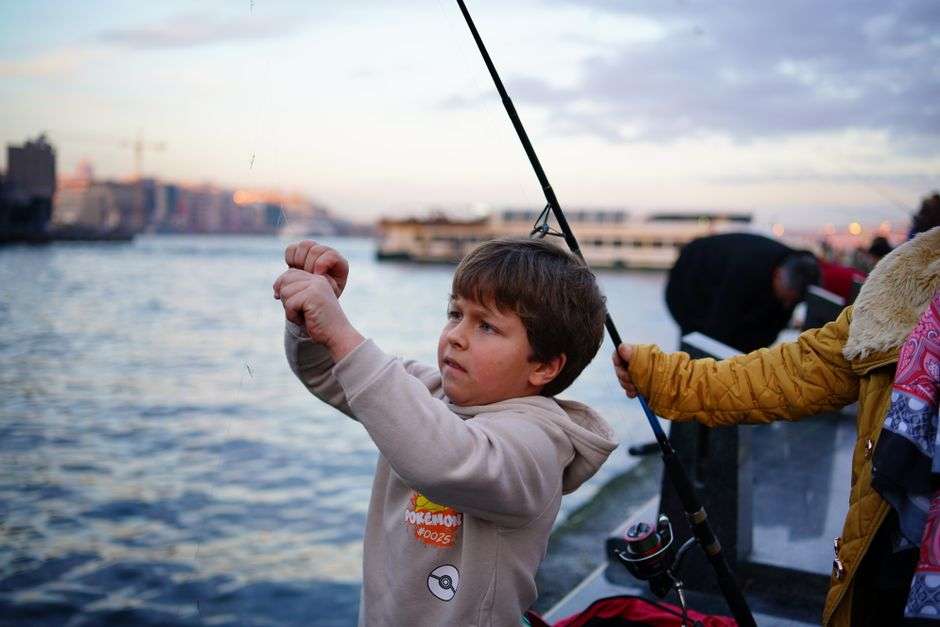
There is a moment every coastal parent knows: a kid on a pier, line in the water, entirely absorbed. A group of Fairhope friends decided that moment deserved its own event — and in June 2026, the inaugural Hooked on Fairhope Kids’ Fishing Tournament turned the Fairhope Pier into exactly that, with proceeds flowing to two organizations that spend all year helping local children.
How It Came Together
The tournament was the idea of Anthony Ricciardone, one of the owners of Admiral Shellfish Oyster Company, working with Brent Barkin of the Blind Tiger — the restaurant at the foot of the Fairhope Pier — and Joe Brown of Portside Advertising. All three have histories of backing local causes, and all three had the same instinct: build an event that reflects the place people live, and make sure every kid who shows up gets a real outdoor experience, regardless of skill or equipment.
The mission statement the organizers settled on is plain: to introduce children to the joy of fishing while strengthening family bonds, encouraging mentorship, and fostering respect for the coastal environment — and, through a fun, inclusive, well-organized event, to build confidence, character, and a lifelong appreciation for the outdoors, connecting the next generation to the water, to one another, and to the traditions that make the region special.
Two Beneficiaries With Deep Local Roots
Funds raised went to the Fairhope Educational Enrichment Foundation and Big Brothers Big Sisters of the Central Gulf Coast — a pairing chosen deliberately.
FEEF, founded in 1996 by parents, educators, and community leaders, has grown into the largest supporter of public education in Fairhope, investing in programs that bring classrooms to life: marine science labs, art installations, hands-on STEAM experiences, and teacher grants that spark student imagination and innovation.
Big Brothers Big Sisters of the Central Gulf Coast provides one-to-one mentoring across South Alabama and Mississippi, serving more than 600 children a year and touching more than 1,800 individuals across nine counties. Its mission — creating and supporting one-on-one relationships that ignite the power and promise of youth — is delivered free to families, underwritten by local donors and “Corporate Bigs.”
The Tournament Itself
The rules were built for accessibility. Entry was $12.50 per angler, open to kids 17 and under, and included lunch from Chick-fil-A and a commemorative T-shirt. Fishing ran from daylight to 2 p.m. off the Fairhope Pier — one of the few public piers on the bay where a kid can fish without a boat, a license, or a lift from a parent with a truck.
The prize table gave every division something to chase: first-, second-, and third-place prizes in several categories included passes to Waterville USA in Gulf Shores, $100 gift certificates to McCoy Outdoors in Mobile, and prize packages from AltaPointe Health. The grand prize went to the angler with the heaviest combined weight of one slot-sized redfish and one speckled trout — a season pass to Waterville USA, and bragging rights for a year.
The sponsor list read like a map of the town’s business community: title sponsors First Horizon Bank and Volkswagen Kia of Daphne, joined by Waterville USA’s John Turberville, Chick-fil-A, McCoy Outdoors, AltaPointe Health, and the City of Fairhope, with Mobile Baykeeper volunteers on hand to help organize the fishing activities.
The Oyster Man’s Other Catch
Ricciardone’s day job gave the tournament a fitting organizer — and gave the coverage an update on the bay itself. This past oyster season, he reported, was the best spring harvest Admiral Shellfish had ever had: of the oysters the company planted, more than 800,000 were harvested and sold, with over 10 million oysters raised by local farms across the area sold in the spring alone.
He credited a dry spring and the completion of the Mobile Bay Ship Channel dredging project, which reduced the mud in the water column — and pointed to recent legislation, pushed by Mobile Baykeeper, aimed at ending the practice of dumping dredge material into the bay’s waters. “There are better ways to deal with dredge material,” he said, citing how cities like Tampa, Charleston, and Savannah handle it. “It’s bad for fishing, tourism, and certainly bad for growing healthy, tasty oysters.”
Why It Matters
A kids’ fishing tournament sounds simple, and that is the point. Time on the water is one of the few activities that reliably pulls families off their screens and puts them shoulder to shoulder with rods and bait, and the Eastern Shore’s public piers have been the venue for that ritual for generations. Organizers hope to make Hooked on Fairhope an annual event, growing the prize table and the reach each year.
The beneficiaries give the event a longer tail. A child who catches a fish at the tournament might spend the fall in a FEEF-funded marine science lab or gain a mentor through BBBS — the same pipeline of adult investment that the tournament itself models. The water teaches patience; the community supplies the rest.
For a first-year event, everything came together the way the organizers describe their hopes: fun, inclusive, well-organized — and rooted, like the pier it was held on, in the community.
The Pier as Public Stage
The venue did as much work as the sponsors. The Fairhope Municipal Pier has anchored the town’s public life for generations — a quarter-mile walk out over the bay, shaded at the base by the park’s live oaks, with a fountain, a duck pond, and the bluff beyond. It is one of the last free public fishing piers on the bay, open to anyone without a boat, and it has hosted everything from wedding photos to gumbo cook-offs. For a first-time tournament, it offered the ideal combination: safety, shade, restrooms, and a fishery — speckled trout, redfish, flounder, and sheepshead all pass within casting distance of its railings.
The choice of a redfish-plus-trout aggregate for the grand prize was a nod to the bay’s most storied inshore quarry — the ” speck” and the redfish are the two fish every Fairhope kid grows up hearing about, and a season pass to a water park made the prize feel like summer itself.
What the Organizers Hope Comes Next
First-year events live or die on logistics, and the team leaned on experience: Barkin’s restaurant at the pier handled the on-water foot traffic, Portside Advertising handled identity and signage, and Mobile Baykeeper’s volunteers — veterans of the bay’s cleanup and advocacy work — helped run the fishing stations. The organizers’ stated hope is an annual date on the calendar, with the sponsor bench growing alongside it.
The deeper bet is generational. Every tradition on the Gulf Coast that people now take for granted — regattas, shrimp boils, Mardi Gras boat parades — started somewhere as somebody’s first-year idea. Hooked on Fairhope’s version is built on a simple exchange: teach a kid to fish, and the kid grows up caring what happens to the bay. With more than 10 million farm-raised oysters sold in one spring and the bay’s water quality improving, the timing for that lesson — and that tournament — could hardly be better.