Isaias Food and Water Safety: Mobile County’s Advice on Outages, Wells and Medicines
The Mobile County Health Department’s post-Isaias guidance explains how long food lasts without power, how to get flooded wells tested free, how to purify water, and how to protect medications like insulin.
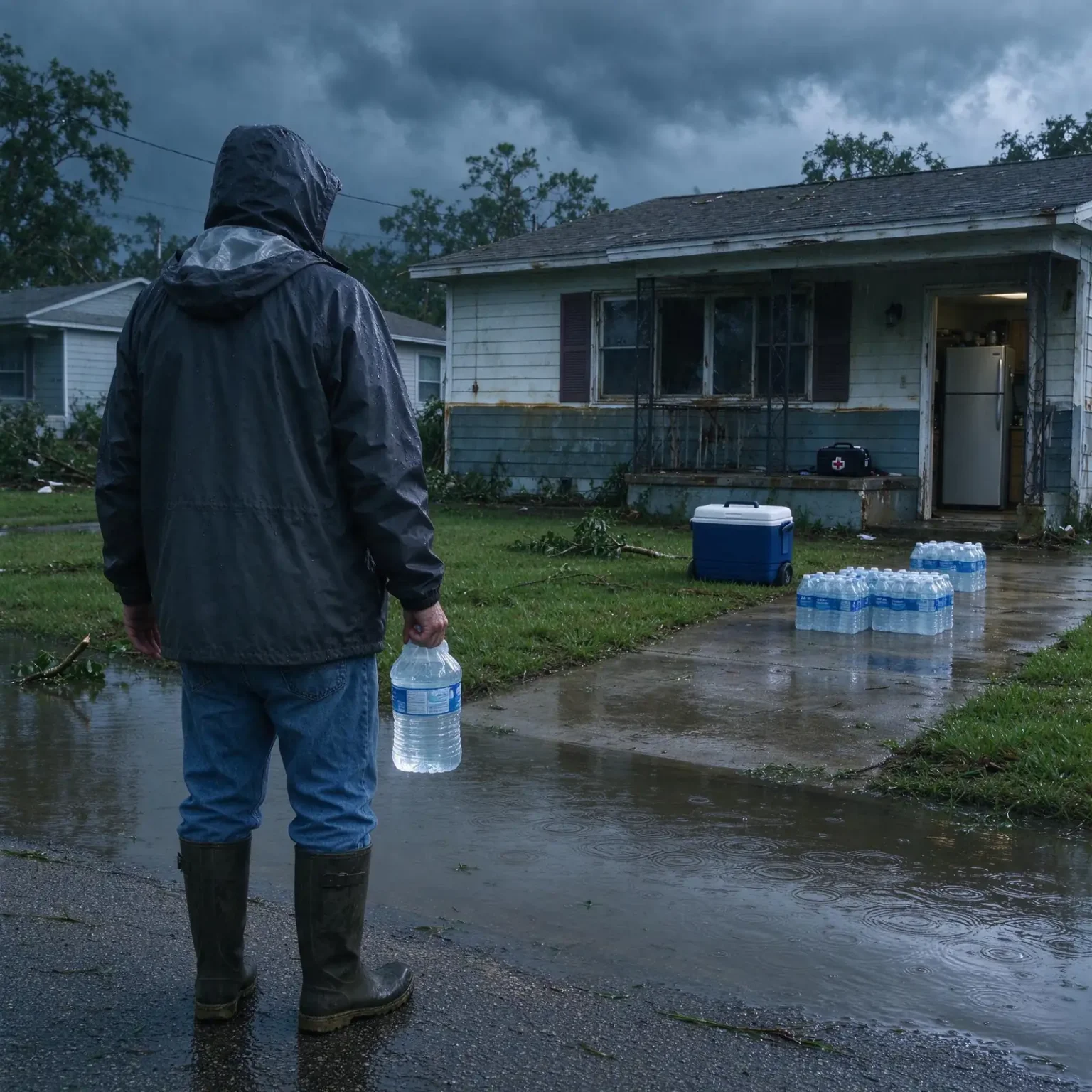
Hurricane Isaias has moved on, but the power outages, flooded wells and waterlogged homes it left behind across Mobile County carry health risks of their own. The Mobile County Health Department has issued a set of post-storm food and water safety advisories that walk residents through what to keep and what to throw out, how to make drinking water safe, how to protect prescription medicines, and how to return to and clean a home that took on water.
The guidance, released Saturday, Oct. 10, as the storm pushed inland after making landfall near Destin, Fla., is aimed especially at households still without electricity and at families who rely on private wells. Health officials say that a few simple rules, followed carefully over the coming days, can prevent the kind of foodborne and waterborne illness that often follows a hurricane.
How long food lasts without power
With tens of thousands of customers across south Alabama losing electricity during the storm, many residents are now staring into warm refrigerators and wondering what is still safe. The health department offers these general rules of thumb:
- A full upright freezer will keep food frozen for about two days without power. Wrapping the freezer in blankets or other insulation helps hold in the cold.
- A partially full freezer will keep frozen food for about one day. Keeping the door shut may stretch that time.
- A refrigerator will keep food cool for four to six hours if the door is opened as little as possible.
The practical lesson is that every opening of the door costs cold air. Families waiting for power to return are better off deciding in advance what they need, opening the appliance once, and closing it quickly. An inexpensive appliance thermometer, a standard recommendation from federal food safety agencies, takes much of the guesswork out of the decision once power is restored.
Handling and preparing food after an outage
Once it is clear how long food has been without refrigeration, the department’s handling rules apply:
- Foods that were refrigerated when purchased should be kept refrigerated or used right away.
- Any thawed food that has sat at room temperature for more than two hours should be discarded.
- Frozen foods that have not completely thawed may be cooked immediately and eaten.
- Foods that still contain ice crystals can be refrozen, although quality may suffer.
- Foods that have thawed but stayed at refrigerator temperature, no more than 40 degrees Fahrenheit, can be cooked and then refrozen.
The department notes that all foods are a possible source of illness, particularly beef, pork, turkey, chicken and fish. Most foods give off a disagreeable odor when they spoil or become contaminated, but smell alone is not a reliable test, because many of the bacteria that cause food poisoning do not change how food looks or smells. That is why the department’s guide repeats a simple golden rule: “When in doubt, throw it out.”
Floodwater, canned goods and fresh produce
Power loss is only one threat to the pantry. Floodwater can carry sewage and chemicals, and the department advises residents not to eat any food that may have come into contact with it. Other precautions include:
- Do not use canned foods if the top or bottom of the can is swollen.
- Avoid cans with bends or dents along the seams.
- Wash all uncooked fruits and vegetables thoroughly with uncontaminated water before eating them.
Residents with specific questions about a particular food or refrigeration situation can contact the Mobile County Health Department or the U.S. Department of Agriculture Food Safety and Inspection Service’s Meat and Poultry Hotline.
Is the tap water safe?
For customers of public water systems, the first step is to listen for announcements about the safety of the municipal supply. If a boil-water advisory is issued for a neighborhood, residents should use one of the purification methods described below until the advisory is lifted. Utilities and local officials typically announce advisories and their cancellation through local news outlets, social media and emergency alert systems.
Homes served by private wells face a different risk. Dr. Kevin Michaels, health officer for Mobile County, is advising anyone whose private well may have been covered by floodwater to have the water tested as soon as possible. Floodwater can carry bacteria and other contaminants down into a well, and a well that looks and tastes normal can still be unsafe.
The department’s advice is blunt: do not take chances. Residents should not drink water from a private well in a flooded area, or from any water system that may have been compromised, until the water has been tested and the results show it is safe for every use.
How to get a well tested for free
The health department has laid out a straightforward process for well owners:
- Pick up sterile sample bottles from the local branch of the State Laboratory on Museum Drive or from the Mobile County Health Department on North Bayou Street.
- Return samples to the State Lab on Museum Drive between 7:30 a.m. and 3:30 p.m.
- Testing is free of charge for individuals with existing residential wells.
Using the sterile bottle provided, rather than a household container, matters: an unclean container can contaminate the sample and produce a misleading result. Until a well receives a clean test, its water should be treated as unsafe for drinking, cooking, brushing teeth and making ice.
Two ways to purify water at home
When safe water is in question, the department recommends two methods it describes as the easiest purification processes. Before using either one, let suspended particles settle to the bottom of the container, or strain the water through layers of paper towel or clean cloth.
Boiling. Boiling is the safest method, according to the department. Bring the water to a rolling boil for three to five minutes, keeping in mind that some of it will evaporate, and let it cool before drinking.
Disinfecting with bleach. Regular household liquid bleach can be used to kill microorganisms. The department’s specific instructions:
- Use only regular household liquid bleach containing 5.25 percent sodium hypochlorite.
- Do not use scented bleach, color-safe bleach or bleach with added cleaners.
- Add 16 drops of bleach per gallon of water, stir, and let it stand for 30 minutes.
- If the water does not have a slight bleach odor after 30 minutes, repeat the dose and let it stand another 15 minutes.
The department’s guide stresses that household liquid bleach should be the only agent used to purify water this way. Either method will kill most microbes. Store-bought bottled water is another safe source, and the department reminds residents that bottled, boiled or treated water is safe for drinking and cooking.
Protecting prescription medications
Heat, humidity and a lack of refrigeration can also damage medicines. The health department is urging special care with prescriptions during the immediate post-hurricane period:
- Keep all medications away from moisture, ideally in a waterproof container, and away from heat and direct sunlight.
- Insulin does not require refrigeration and can last several weeks if stored away from heat and direct light. Its temperature needs to stay below 86 degrees Fahrenheit, because higher temperatures cause crystallization.
- Antibiotics that require refrigeration should be kept in a cooler with ice, but should not be allowed to freeze.
For people with diabetes in particular, the insulin guidance is reassuring: a home without air conditioning does not automatically mean a ruined supply, as long as the insulin is kept in the coolest, darkest spot available. A shaded interior room, or a cooler in which the vials do not touch ice directly, can help. Anyone unsure whether a medicine has been damaged by heat or water should check with a pharmacist before taking it, and medications that got wet with floodwater are generally best replaced.
Hand hygiene and sanitation
According to the department, floodwaters may contain fecal material from overflowing sewage systems as well as agricultural and industrial byproducts. That makes basic hygiene one of the most important protections residents have. The department advises:
- Wash hands with soap and water that has been boiled or disinfected before preparing or eating food, after using the toilet, after taking part in flood cleanup and after handling items exposed to floodwater.
- Keep any open cuts or sores that will be exposed to floodwater as clean as possible by washing them with soap.
- Do not let children play in floodwater areas, wash their hands frequently, and clean any toys that were exposed to contaminated floodwater.
Returning home safely
For families who evacuated or spent the storm elsewhere, the department’s guide offers a checklist for going home:
- Try to return during daylight hours, when hazards are easier to see.
- If you smell gas or suspect a leak, turn off the main gas valve, open windows and leave immediately. Call the gas company, and do not turn on lights or do anything that could cause a spark.
- If you see frayed wiring or sparks, or smell something burning, shut off the electrical system at the circuit breaker.
- Avoid downed power lines, especially any lying in water.
- Do not operate gas-powered equipment indoors.
- Make sure all electrical equipment and appliances are completely dry before using them.
The warning about gas-powered equipment echoes one of the most persistent dangers after any hurricane: carbon monoxide from generators, pressure washers and similar machines run in garages or near open windows. The colorless, odorless gas can build to deadly levels quickly.
Cleaning up after floodwater
Homes that took on water need thorough cleaning and disinfection to prevent illness and mold. The department recommends:
- Clean walls and hard-surfaced floors with soap and water, then disinfect them with a solution of one-half cup of bleach to one gallon of water.
- Disinfect food-contact surfaces such as counters, pantry shelves and refrigerators, as well as areas where small children play.
- Wash all linens and clothing in hot water, or have them dry-cleaned.
- Air-dry mattresses and upholstered furniture, then spray them thoroughly with a disinfectant.
- Steam-clean all carpeting.
- Wear rubber boots and waterproof gloves during cleanup if sewage has backed up into the house.
- Remove absorbent household materials such as wall coverings, rugs and sheetrock.
As a general safety rule, bleach should never be mixed with ammonia or other cleaning products, since the combination can release toxic fumes, and rooms should be well ventilated during cleanup.
Where to get help
Questions about food inspection, mosquito control, rodent control, septic tank inspection or general health concerns can be directed to the Mobile County Health Department. The department has also issued separate advisories on snakes, rodents and mosquitoes and on tetanus, communicable disease, swimming and children’s safety, which together make up its post-storm guidance for the community.
For now, health officials are asking residents to be patient and cautious: let questionable food go, treat untested water as unsafe, keep medications cool and dry, and wash hands often. Those steps, they say, are among the most effective ways to keep a storm’s damage from turning into a wave of illness in the days after.