Tetanus Shots, Water Caution and Child Safety: Mobile County’s Post-Isaias Health Advice
The Mobile County Health Department is urging tetanus shots for cleanup injuries, caution in flood-contaminated waters, thorough cooking of local seafood and close supervision of children after Hurricane Isaias.
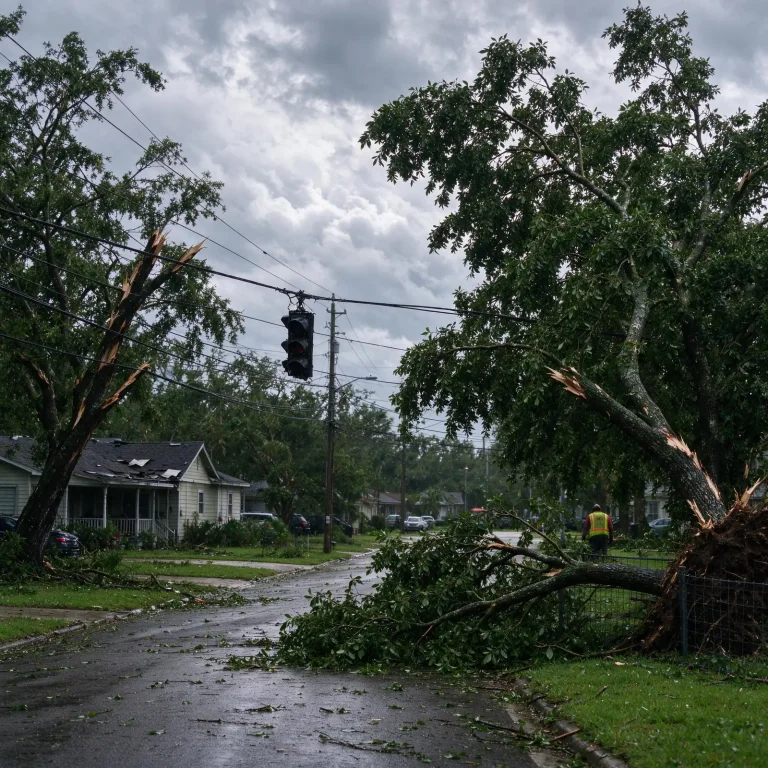
As Mobile County residents begin clearing debris and returning to flooded neighborhoods after Hurricane Isaias, the Mobile County Health Department is urging them to check their tetanus shots, stay out of contaminated waters and keep a close watch on children. The department has issued a series of post-storm advisories on tetanus, preventable communicable disease, swimming and children’s safety that together focus on the injuries and infections that often surface in the days after a hurricane.
The children’s safety advisory was released Saturday, Oct. 10, as Isaias pushed inland after making landfall near Destin, Fla. The tetanus, communicable disease and swimming advisories followed Sunday, Oct. 11, as cleanup got under way across the county.
Why tetanus matters during cleanup
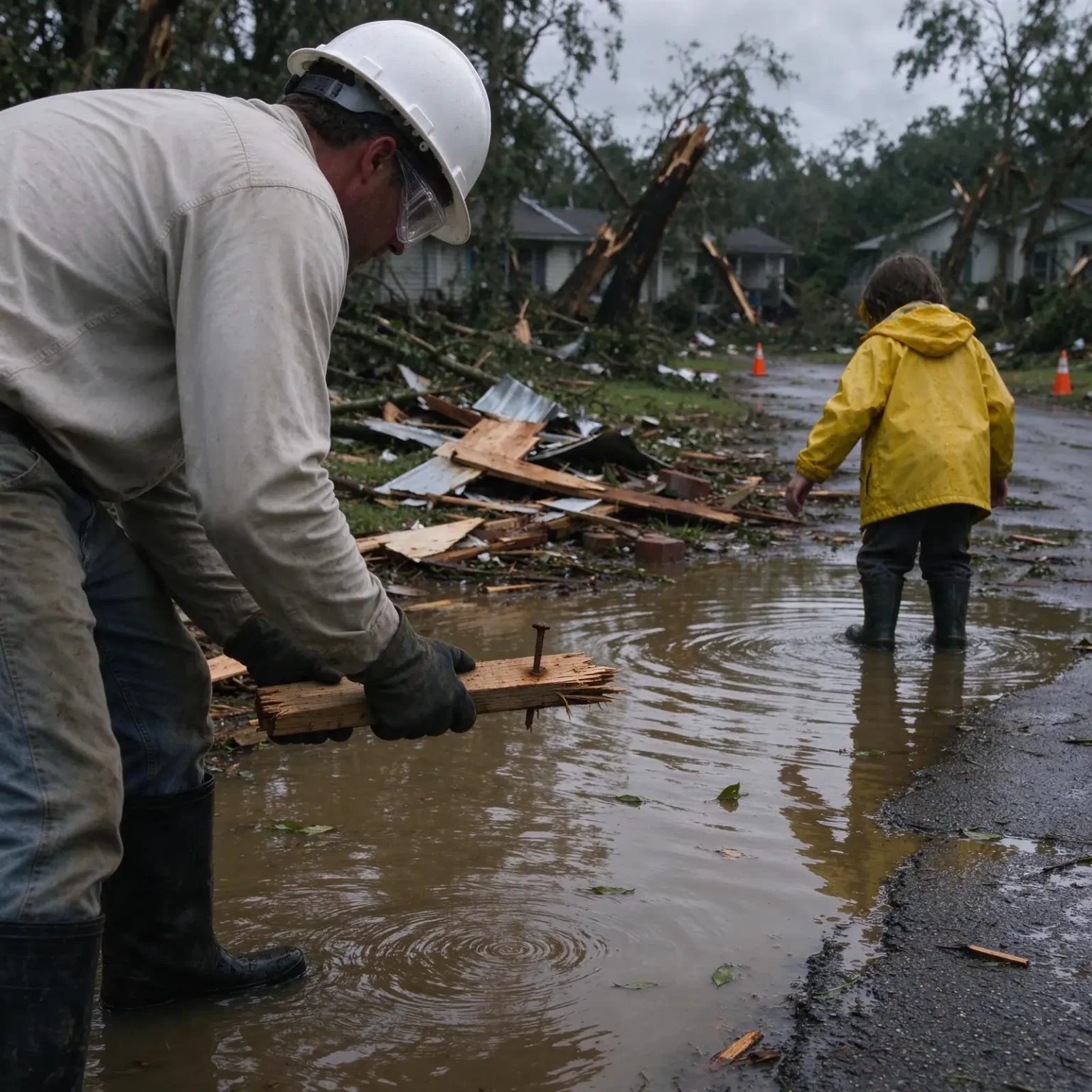
Hurricane cleanup is hard, messy work. Nails in broken lumber, sheet metal, splintered trees and debris hidden under muddy water all create opportunities for cuts and puncture wounds. Tetanus, a serious bacterial infection that can enter the body through broken skin, is the main concern health officials raise after such injuries. The bacteria are common in soil, dust and debris, and the illness can cause painful muscle stiffness and spasms. It is preventable with vaccination.
The health department advises that residents of flooded areas, and anyone entering those areas, should be up to date on tetanus immunizations. Its specific recommendations:
- Adults living or working in flooded areas should get a tetanus booster if it has been more than 10 years since their last dose, or if they do not know when they last received one.
- Anyone who suffers an open wound or puncture wound during cleanup and has not had a tetanus shot within the past five years should get one immediately.
Tetanus shots are available from private physicians or through Family Health, where appointments are available. Residents who are unsure of their vaccination history are encouraged not to guess; under the department’s guidance, an unknown date is treated the same as an out-of-date shot.
Wound care in a flood zone
The department’s swimming advisory makes a related point that applies to everyone, flood or not: anyone who gets a wound and has not had a tetanus shot within the past 10 years should get one. If a wound develops redness, swelling or drainage, the department says to seek immediate medical attention.
Skin contact with floodwater does not, by itself, pose a serious health risk, according to the department. The greater danger comes from eating or drinking anything contaminated with floodwater. People with open cuts or sores that will be exposed to floodwater should keep them as clean as possible by washing well with soap to control infection. Covering wounds with waterproof bandages and wearing boots and gloves during cleanup, both standard recommendations from federal health agencies, add another layer of protection.
Vaccines for displaced residents and emergency workers
In a separate advisory on preventable communicable diseases, Dr. Kevin Michaels, health officer for Mobile County, outlined precautions for residents and responders in the aftermath of Isaias:
- Displaced adults should get a tetanus-diphtheria vaccination before returning home if it has been more than 10 years since their last vaccine or if they cannot remember when they received it.
- Children should be brought up to date on their childhood immunizations. The recommendations follow guidelines of the Advisory Committee on Immunization Practices and the American Academy of Pediatrics. If other records are not available, a parent’s account of past vaccinations can be used.
- Emergency workers traveling to affected areas should also get a tetanus-diphtheria vaccine if it has been more than 10 years or if they cannot remember their last dose.
- Emergency workers who will provide direct patient care, or who are otherwise expected to have contact with bodily fluids, should receive the hepatitis B vaccine series.
The department was equally clear about what is not needed. There is no routine need for hepatitis A, cholera, rabies, meningococcal or typhoid vaccines. That guidance can help residents avoid unnecessary worry: despite common fears after natural disasters, outbreaks of diseases such as cholera and typhoid are not a typical consequence of hurricanes in the United States, and the department’s focus remains on tetanus, routine childhood shots and protection for health care workers.
Use caution in local waters
Flooding from the hurricane has washed contaminants from many sources into streams, creeks and rivers, and eventually into bay waters, the department says. Those waters may contain fecal material from overflowing sewage systems as well as other contaminants.
“The Mobile County Health Department urges citizens to use caution when using these affected areas for swimming or recreational activities,” said Michaels.
For a county where boating, fishing and swimming in Mobile Bay, the Mobile-Tensaw Delta and countless creeks and bayous are part of daily life, that advice may be hard for some to follow. But health officials say runoff after a major storm can temporarily raise bacteria levels well above normal. Waiting until waters have had time to clear, and paying attention to any official water-quality notices, is the safest approach.
Cook seafood thoroughly
Both the swimming and communicable disease advisories carry the same reminder for anglers and anyone harvesting seafood:
- All seafood caught or harvested in the general area of Mobile County should be thoroughly cooked before eating.
- Wash hands thoroughly with soap and water after handling or cleaning fish and seafood, and before preparing food.
The advice is especially relevant along a coast known for its shrimp, crabs, fish and oysters. Raw or undercooked seafood from storm-affected waters may carry bacteria washed in with floodwater, so thorough cooking is the safest choice for now.
Keeping children safe
The health department is reminding parents to be especially alert to their children’s safety during what it calls a dangerous time after the hurricane. Its advisory lists several hazards that may not be obvious to young people:
- Floodwater: Children should be discouraged from wading or swimming in floodwater. Flooding can create strong currents that raise the risk of drowning, even in shallow water. Drainage ditches and streets may be contaminated with waste and sewage.
- Contaminated objects: Many items that interest children may have been in water that is hazardous, poisonous or contaminated.
- Refrigerators and freezers: Be alert to the danger of suffocation when appliances are being aired out after a power failure. Children can climb inside and become trapped.
- Bike riding: Riding is extremely hazardous where trees are down and traffic has been routed into a single lane.
- Downed power lines: Contact with a live, downed line can be fatal. Warn children to stay away from all downed lines, and enlist their help in telling an adult so the power company can be notified.
- Cleanup sites: Onlookers of all ages can hinder cleanup operations. Workers are putting in long hours and cannot always fully enforce safety procedures under the circumstances.
The department’s broader post-storm guide adds that children should not be allowed to play in floodwater areas, that their hands should be washed frequently, and that any toys exposed to contaminated floodwater should be cleaned before children play with them again. The department’s snake advisory also asks parents to warn children to watch for snakes and to back away quickly and quietly if they see one.
The appliance warning deserves particular attention. Families often prop open or set out refrigerators and freezers to air out spoiled food odors after an outage. Removing the doors, or keeping the appliance where children cannot reach it, eliminates the risk of a child becoming trapped inside.
“During this hectic time, it is critical for parents to supervise their children and keep them safe from the many post-hurricane dangers,” the department said in its advisory.
Other hazards to keep in mind
The department’s general health and safety guide also notes that many wild animals have been forced out of their homes and may carry rabies. Children and adults alike should avoid stray or wild animals, and anyone who is bitten or scratched should get medical care promptly.
Returning residents are also reminded to avoid downed power lines, especially those in water, and never to run gas-powered equipment indoors, where carbon monoxide can build up to dangerous levels.
Where to turn
Residents can get tetanus shots from their own doctor or through Family Health. General health questions can be directed to the Mobile County Health Department, which has also issued post-storm advisories on food and water safety, medication storage, mosquito control, rodents and snakes.
The common thread in all of the department’s guidance is that many of the illnesses and injuries that follow a hurricane are preventable. A current tetanus shot, prompt care for wounds, patience before heading back into local waters, thoroughly cooked seafood and close supervision of children can go a long way toward keeping families healthy while the community recovers from Isaias.