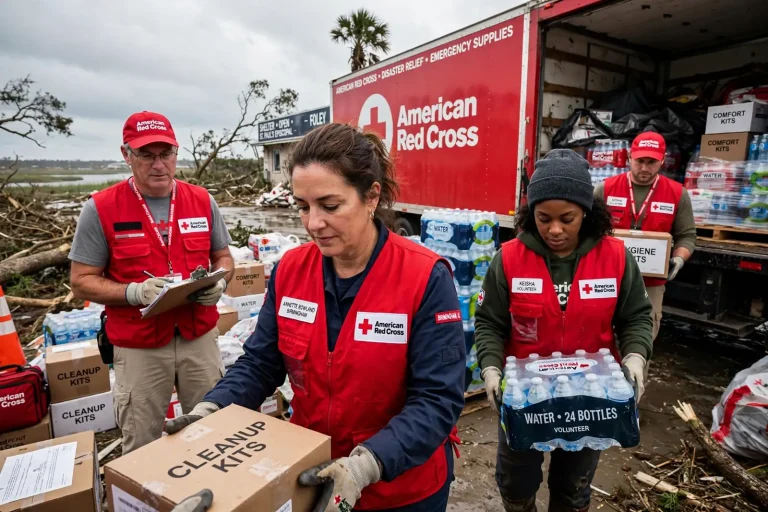
Isaias Sewer Overflows Possible: Mobile County Health Officer Urges Caution on Local Waters
Mobile County's health officer is urging caution on local creeks, rivers and Mobile Bay after Hurricane Isaias, warning that sewer overflows and floodwater may have contaminated area waters.
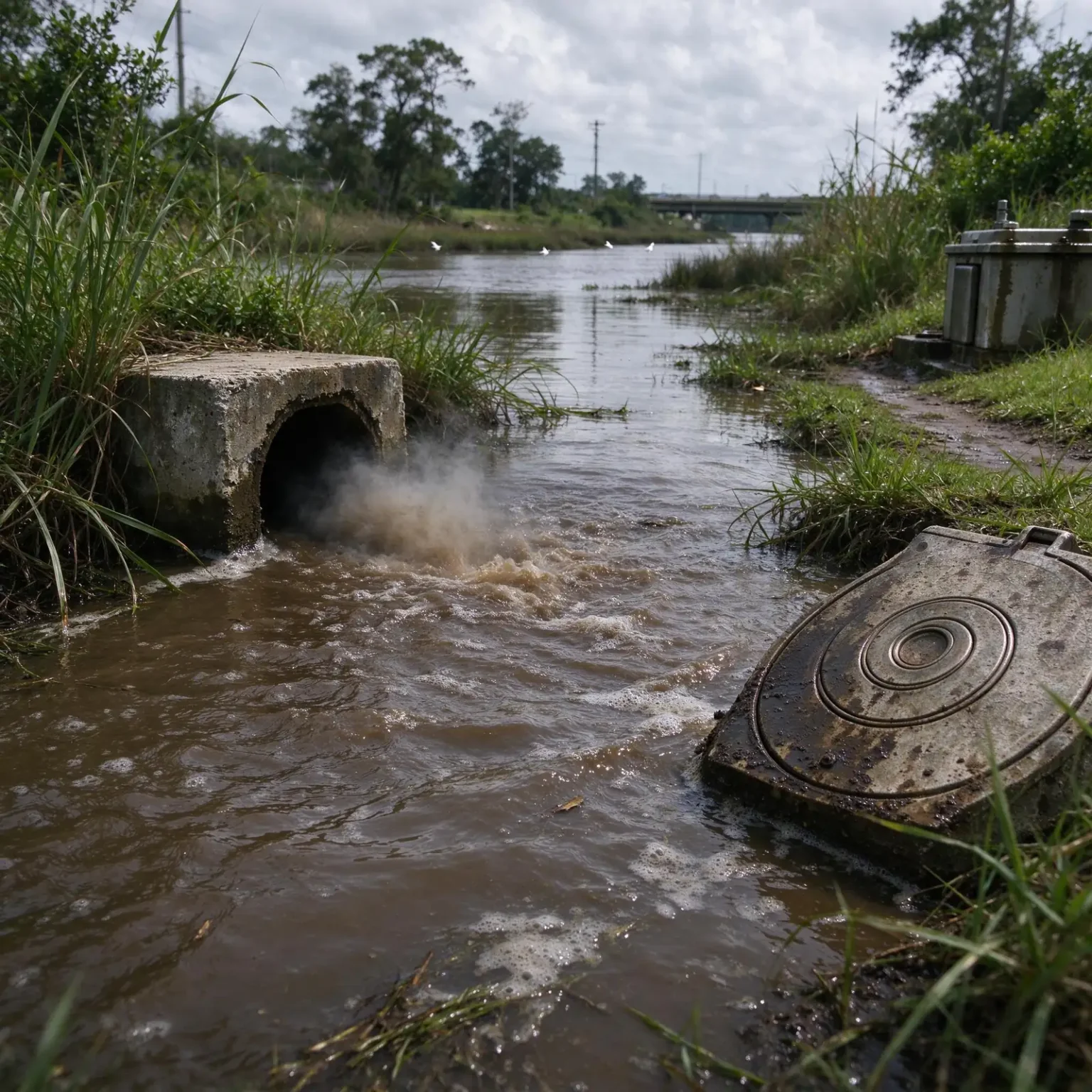
Mobile County residents heading back out onto local waterways after Hurricane Isaias are being urged to use caution, as health officials warn that the storm’s heavy rain, flooding and higher-than-normal tides may have washed sewage and other contaminants into area creeks, rivers and, eventually, Mobile Bay. Possible sanitary sewer overflows are a key concern, and Dr. Kevin Michaels, the health officer for Mobile County, is advising people to think twice before swimming, wading or boating in local waters and to fully cook any seafood harvested in the area.
The advisory, issued Saturday, Oct. 10, follows a storm that came ashore near Destin, Fla., Friday night and lashed coastal Alabama with damaging winds, heavy rain and flooding. While the worst of the weather has moved on, the water left behind can carry health risks that are easy to overlook during cleanup.
Why the Storm Raises Contamination Concerns
According to the health advisory, increased rainwater, floodwater and unusually high tides tied to Hurricane Isaias could allow contaminants from a variety of sources to enter streams, creeks and rivers before flowing on into bay waters. Among the concerns is fecal contamination from sanitary sewer overflows, along with other pollutants picked up as water moves across the landscape.
A sanitary sewer overflow happens when untreated or partially treated wastewater escapes from a sewer system before it reaches a treatment plant. These spills commonly occur when heavy rain and stormwater seep into sewer lines and overwhelm their capacity, when pipes are blocked or damaged, or when power failures knock lift stations and pumps offline. A hurricane can bring all of those conditions at once.
Overflows are not unusual along the Gulf Coast even in ordinary heavy rain. Just days before Isaias arrived, more than 5 inches of rain in Foley pushed roughly 12,130 gallons of untreated wastewater out of two Riviera Utilities lift stations, with the overflow headed toward Boggy Branch and Bon Secour. A hurricane’s rainfall, combined with storm surge and widespread power outages, can put even greater stress on wastewater systems across a large area.
Stormwater runoff can also carry other material into waterways, including fuel and oil from roads and flooded vehicles, fertilizers and pesticides, animal waste and debris. As that water drains toward the bay, it can affect water quality well downstream from where any single spill took place.
What the Health Risks Are
The advisory notes that simply touching floodwater does not, by itself, pose a serious health risk. The greater danger comes from swallowing contaminated water or eating or drinking anything that floodwater has touched, which can spread illness.
Germs found in sewage can cause stomach and intestinal illness, with symptoms such as diarrhea, vomiting, cramps and fever. Children, older adults, pregnant women and people with weakened immune systems are generally at higher risk of serious illness, so families should take extra care to keep young children from playing in standing water or drainage ditches after the storm.
Food that has been in contact with floodwater, including produce from home gardens that flooded, should be thrown away. Public health agencies generally advise that when in doubt, it is safer to discard food than risk illness.
Protecting Cuts, Scrapes and Wounds
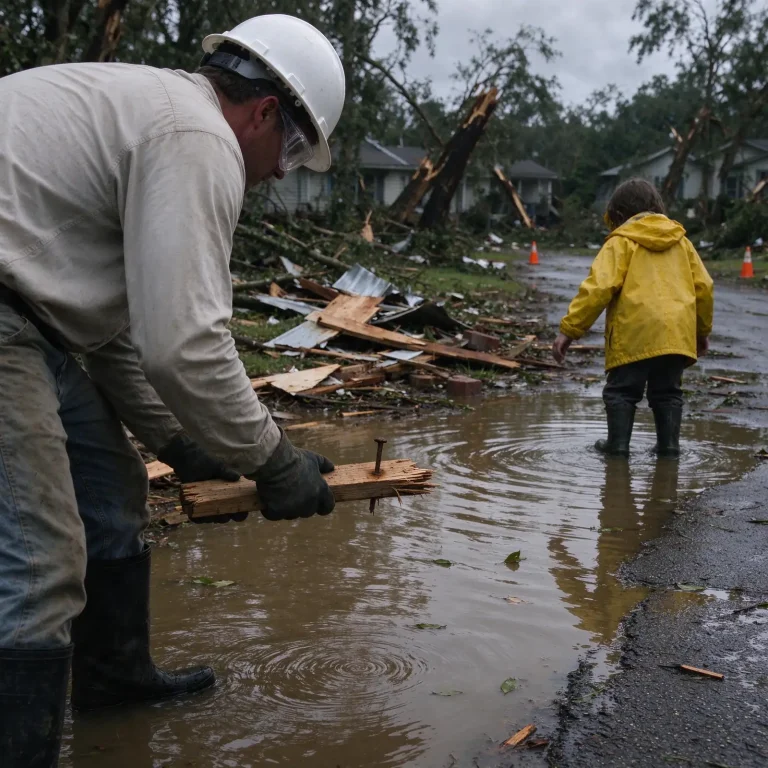
Cleanup work brings a higher chance of cuts and puncture wounds from nails, broken glass, tree limbs and other debris. Health officials say anyone with open cuts or sores that will be exposed to floodwater should keep them as clean as possible, washing thoroughly with soap to help prevent infection.
The advisory also carries a reminder about tetanus. Flood or no flood, anyone who suffers a wound and has not had a tetanus shot within the past 10 years should get one. And if a wound becomes red, swollen or begins to drain, people should seek medical attention right away.
A few additional steps, consistent with standard public health guidance, can lower the risk of infection during cleanup:
- Wear waterproof boots and heavy work gloves when working in or around floodwater and storm debris.
- Cover any existing cuts or scrapes with waterproof bandages before working outdoors.
- Wash hands with soap and clean water after cleanup work and before eating. If clean water is not available, use an alcohol-based hand sanitizer until you can wash.
- Clean any new wound promptly with soap and clean water.
- Watch wounds closely over the following days for signs of infection.
People with diabetes, liver disease or other conditions that weaken the immune system should be especially cautious about exposing open wounds to floodwater or warm coastal waters, since infections can become serious more quickly for them.
Caution on Bays, Rivers and Creeks
Dr. Michaels advises residents to exercise caution when using local bodies of water for recreation. That includes swimming, wading, kayaking, paddleboarding and similar activities in creeks, rivers, bayous and the bay, where contaminants from the storm may still be present.
Water that looks clear can still carry germs. Until conditions improve, a cautious approach makes sense:
- Avoid swimming or wading in waters that received heavy runoff or floodwater, particularly near storm drains, outfalls and the mouths of creeks.
- Try not to swallow water if you are on or in the water.
- Rinse off with clean water after any contact with local waterways.
- Keep pets from swimming in or drinking from floodwater and murky creeks.
- Stay out of water where debris, downed power lines or strong currents may still be present.
Floodwater and storm-swollen waterways can also hide physical dangers, from sharp debris and submerged objects to fast-moving water and displaced wildlife. Those risks add to the health concerns and are another reason to stay out of the water for now.
Cook Local Seafood Thoroughly
For many families in Mobile County, fishing, crabbing and shrimping are a way of life, and plenty of people will be eager to get back on the water once the storm cleanup is under way. The health advisory says all seafood harvested in the Mobile County area should be thoroughly cooked before it is eaten.
Officials also recommend that people wash their hands after cleaning fish or other seafood, and again before preparing food. Keeping raw seafood separate from other food, and cleaning knives, cutting boards and counters after handling it, helps prevent cross-contamination in the kitchen.
Oysters deserve particular attention. Before the storm, the Alabama Department of Public Health halted oyster harvesting in Mobile and Baldwin county waters out of concern that rainfall from Isaias could cause bacteriological contamination of oyster beds. The department said harvesting could resume once the areas meet acceptable bacteriological standards. Because oysters are often eaten raw, consumers should watch for official notices on when harvesting areas reopen, and buy shellfish only from licensed dealers.
Drinking Water and Home Sewer Concerns
The advisory focuses on surface waters such as creeks and the bay, not on public drinking water systems. Before the storm, the Mobile Area Water and Sewer System said it expected to provide continuous water and sewer service during Isaias. If drinking water contamination is suspected, health officials may issue a boil water order, which would be announced publicly. Under such an order, water used for drinking should be brought to a boil for at least three minutes.
MAWSS also has reminded grinder pump customers that those pumps run on household electricity and stop working when the power goes out. The tank that houses a grinder pump generally holds about 24 hours of normal household wastewater, so customers without power should limit water use to avoid sewage backing up into the home. Anyone who notices a failure in the water or sewer system can call the MAWSS 24-hour customer care line at (251) 694-3165.
What Residents Should Keep in Mind
The message from health officials is not that local waters are off-limits forever, but that a hurricane temporarily changes conditions in ways people cannot always see. As tides return to normal and rain-swollen creeks drain, water quality generally improves over time.
In the meantime, the key steps are straightforward: keep wounds clean and covered, get a tetanus shot if you are due, seek medical care if a wound shows signs of infection, use caution in local waterways, cook seafood thoroughly and wash your hands often. Residents with questions about symptoms or wound care should contact their health care provider.