Snakes, Rats and Mosquitoes After Isaias: Mobile County Health Department Advisories
Floodwaters from Hurricane Isaias have pushed snakes and rodents into homes and left mosquito breeding water behind. The Mobile County Health Department has stepped up spraying and issued safety advice.
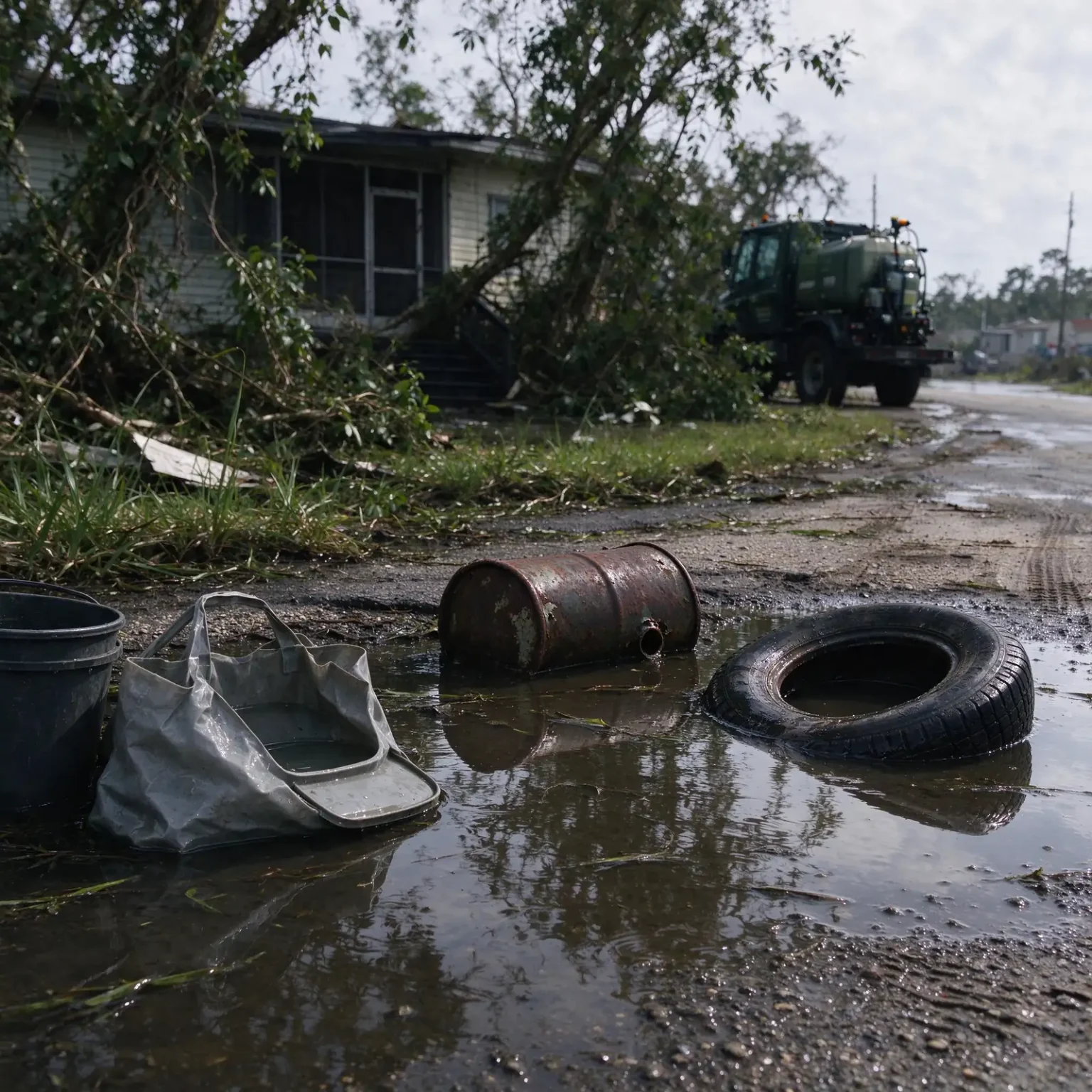
Floodwaters from Hurricane Isaias did not just soak homes and yards across Mobile County. They also stirred up trouble with snakes, rats and mosquitoes, pushing snakes and rodents out of their usual hiding places and leaving behind standing water where mosquitoes breed. The Mobile County Health Department has responded with a set of post-storm advisories on snakes, rodents and mosquitoes, and its Vector Services program has stepped up spraying across the county.
The mosquito advisory was released Saturday, Oct. 10, as Isaias moved inland after making landfall near Destin, Fla., and the snake and rodent advisories followed Sunday, Oct. 11. Together they offer practical steps for residents cleaning up debris, airing out flooded buildings and spending more time outdoors in the days after the storm.
Mosquito spraying stepped up
The health department’s Vector Services program has increased its spraying in response to a rise in mosquito populations after the hurricane. Morning, evening and weekend spraying will continue, as weather permits, until nuisance levels of mosquitoes come down.
The surge is a familiar pattern along the Gulf Coast. Heavy rain and storm surge leave water in ditches, low spots, clogged gutters and discarded containers, and many mosquito species can go from egg to biting adult in about a week in warm weather. That is why health officials push residents to act quickly on standing water around their own homes, even while county crews spray.
Why mosquito bites matter
The department reminds residents that mosquitoes in this part of the country can carry diseases such as encephalitis, sometimes called sleeping sickness, so precautions are worth taking. Dr. Kevin Michaels, health officer for Mobile County, suggests the following personal protection measures:
- Limit outdoor activities during the peak mosquito flight times of dusk and dawn.
- Wear light-colored clothing, since dark clothes retain heat and attract mosquitoes.
- Wear a hat or cap to keep mosquitoes from being drawn by heat leaving the body through the head.
- Wear long-sleeved shirts and long pants.
- Use mosquito repellent, which throws off the senses of the female mosquito. Follow label instructions whether it is applied to clothing or to exposed skin. Repellents made with DEET are the most effective, according to the department.
- Use sprays designed to kill flying insects for temporary relief in small outdoor areas, following the directions carefully.
- Keep window and door screens in good repair. Mosquitoes like to rest above doors waiting for a chance to dart inside, so keep doors closed as much as possible.
Those tips are especially relevant for households without power. With air conditioning out, many families open windows at night, and torn or missing screens can let mosquitoes in while people sleep.
Cutting off mosquito breeding sites
Spraying kills adult mosquitoes, but eliminating breeding water stops the next generation. The department asks residents to help by:
- Cleaning up storm debris as soon as possible.
- Discarding objects that hold water and create breeding pools, such as buckets, tires, tarps and containers.
- Filling in depressions left by uprooted trees and deep tire ruts left by utility and construction vehicles.
After a hurricane, the ruts and root holes the department mentions are everywhere, as line crews and tree services work through neighborhoods. Filling them with soil once the ground firms up removes some of the most stubborn sources of standing water.
Snakes in unexpected places
Flooding has driven some snakes to seek shelter above the water line in buildings, cars and other places where they are not usually found, according to the health department. Residents returning to flooded homes, sheds and garages, or moving debris piles, should expect that a snake could be hiding nearby.
To avoid being bitten, the department recommends:
- Use caution when entering any area. Use a stick or rod to move objects slowly and carefully and check what is behind them.
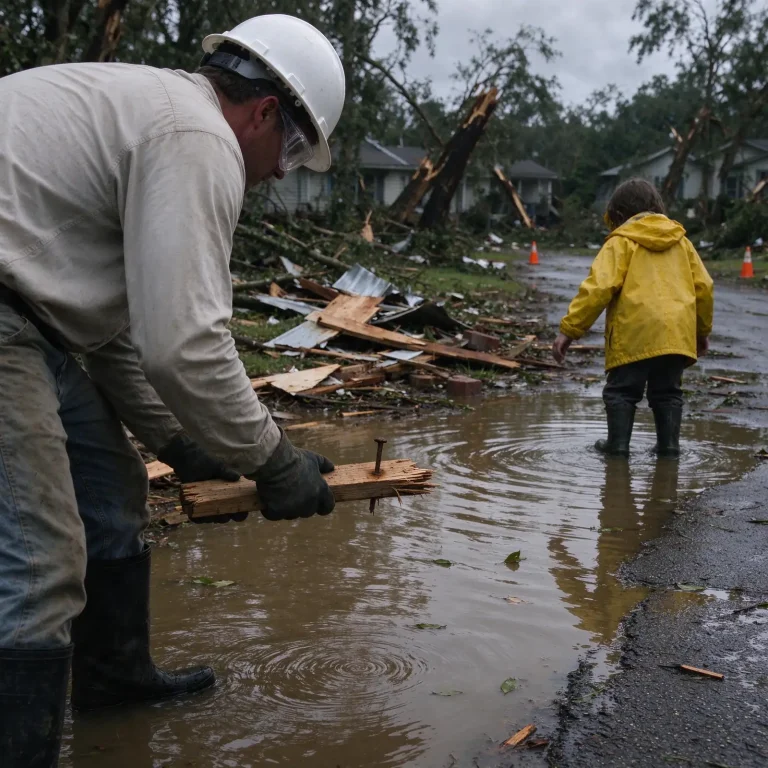
- Wear boots and heavy gloves when cleaning, and work with someone else when possible.
- Make noise when entering an area to alert snakes, which may cause them to make a sound or movement that reveals their location.
- Warn children to watch for snakes and not get close. Teach them to back away quickly and quietly so the snake does not feel threatened.
The department notes that snakes usually will not bite unless they are cornered, handled or stepped on, and most snakes are not venomous. The best course on finding a snake is to leave it alone; snakes will return to their own environment, away from people, as quickly as they can. They also help keep rodent populations down, so the department advises against killing them unless absolutely necessary. If a snake must be killed, the department says one of the most effective methods is a strike to the back of the head with a long-handled hoe.
Knowing Alabama’s venomous snakes
Four types of venomous snakes live in Alabama. The health department offers these identifying features:
- Copperhead: a bright, copper-colored head.
- Cottonmouth, or water moccasin: swims with its head and neck held high above the water, something other snakes do not do.
- Coral snake: red and black rings always separated by narrow yellow rings. The department’s memory aid is “Red on yellow will kill a fellow, red on black venom lack.”
- Rattlesnake: lifts its tail and makes a rattling sound with the segments at the end.
Flooded marshes, creeks and river bottoms in south Alabama are natural cottonmouth habitat, which makes that species a particular concern for people wading through or cleaning up in low-lying areas.
If someone is bitten
The department’s first instruction is to seek medical help immediately. Its general guidelines include:
- Stay as calm as possible. Have the victim lie still and keep the bitten area immobilized.
- The victim should try to remember what the snake looked like but should not try to kill it, because staying still slows the spread of venom. If someone else can safely kill the snake, it should be kept for identification by medical personnel.
- Carry the victim to medical help or bring help to the victim when possible. A bite victim should walk only if necessary, and then very slowly.
- If the victim is not breathing, try to restore breathing.
- Never use cold or ice compresses, which may damage tissue.
- Do not give the victim food or alcohol. Small sips of water are acceptable if the person is conscious and can drink without choking or vomiting.
- Even if the bite is believed to be from a nonvenomous snake, get medical care; a tetanus shot may be needed.
The department cautions that tourniquets and snakebite kits may do more harm than good unless used properly, and that a tourniquet should never be used for a coral snake bite. Current guidance from the Centers for Disease Control and Prevention goes further, advising against tourniquets, cutting the wound or trying to suck out venom, and emphasizing getting the victim to emergency care as quickly as possible. A photo taken from a safe distance can also help medical staff identify a snake without anyone getting close to it.
Recognizing a venomous bite
Symptoms vary. For rattlesnakes, cottonmouths and copperheads, the department lists severe pain, rapid swelling, weakness, nausea and vomiting, blurred vision, difficulty breathing, convulsions and shock. A coral snake bite is different: there may be only slight pain and swelling at the site, followed by difficulty speaking, drooping eyelids, blurred vision and vomiting. Because coral snake symptoms can be mild at first, any suspected coral snake bite deserves emergency care.
The department notes that the absence of distinct fang punctures, along with no local pain, swelling, numbness or weakness within 20 minutes, is strong evidence against venom poisoning. Even so, medical evaluation is still recommended after any bite.
Rodents on the move
Flooding has also driven rats and mice into places they do not normally go, the department says, and they bring health risks with them. Eating food contaminated by rodent droppings can cause salmonellosis, a bacterial food poisoning. Other diseases associated with rodents include leptospirosis, also known as Weil’s disease, murine typhus, rickettsialpox and lymphocytic choriomeningitis. Rat bites can leave scars and lead to infection if untreated. The department’s general post-storm guide adds a simple reminder: rats are often a problem after floods, so secure all food supplies.
Health authorities agree that successful rodent control must be a community effort built on three elements: sanitation, rodent-proofing and rodent killing.
Step one: sanitation
Sanitation means limiting rodents’ food supply and nesting sites. The department recommends tight-fitting lids on garbage cans, getting rid of refuse and junk, and storing food properly. Packaged food, boxes, lumber, firewood and other materials should be stored 12 to 18 inches off the floor or ground and away from walls. That spacing makes inspection easier and allows traps or bait to be placed under stacked materials and along walls, where rats and mice travel.
After a storm, debris piles and stacks of salvaged belongings can quickly become rodent harborage, so moving them off the ground and getting storm debris to the curb for pickup helps on both the rodent and mosquito fronts.
Step two: rodent-proofing
The department advises checking a house or building twice a year for problem spots and taking these steps:
- Tightly seal openings where water pipes, drain spouts and vents enter a building, using sheet metal patches or concrete.
- Make sure doors, windows and screens close tightly.
- Install galvanized sheet metal flashing around wooden door jambs and metal kick plates on the outside of doors to keep rats from gnawing their way in.
- Remove materials stacked against the outside of an otherwise rodent-proof building so rodents cannot climb to upper stories. If that is not possible, extend rodent-proofing to 36 inches above the highest likely level of piled materials.
- Protect non-concrete basement floors and shallow foundations with cement curtain walls around the outer edge.
- Block any other possible entrances.
Step three: rodent killing
Killing rodents is the third tool, but the department notes it is expensive and effective only for brief periods. It works best in winter, when reproduction is lowest, and ideally after sanitation and rodent-proofing are in place. When an infestation is severe, however, it may be better to kill the rodents first, because removing their shelter can drive them into neighboring buildings. Anyone using poisons or traps should keep them out of reach of children and pets.
The department’s message is that rats can be eliminated with a concerted effort, and that they are too dangerous to be allowed around the home.
Other animals and where to get help
The health department’s post-storm guide also warns that many wild animals have been forced from their homes and may carry rabies. Residents should keep their distance from stray or wild animals and seek medical care promptly after any bite or scratch.
Residents may request help with mosquitoes or rodents from the Mobile County Health Department’s Vector Services program. The department has also issued advisories on food and water safety, medication storage, tetanus, communicable disease, swimming and children’s safety as part of its post-Isaias guidance.